







- Where
- Labin, Istria
- Directions
- Directions
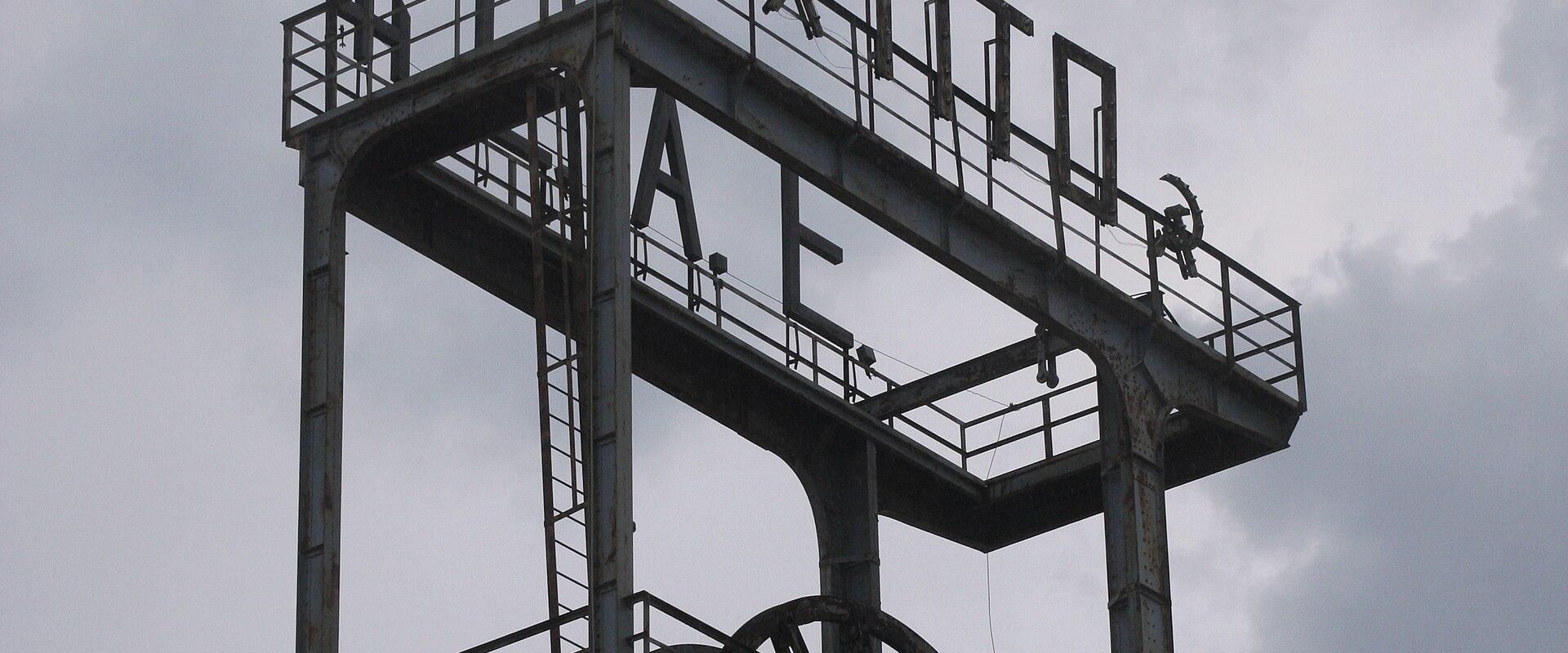
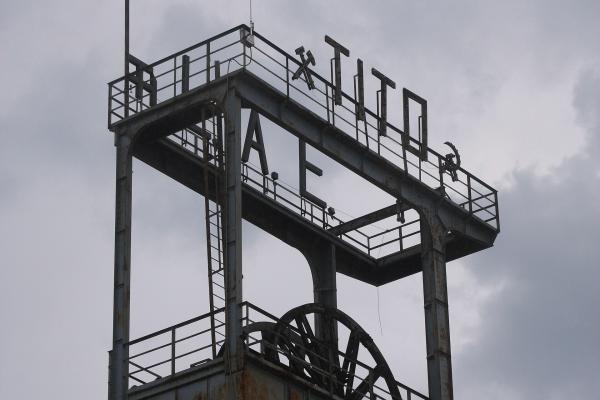
The area around Labin, an Istrian town in the east of the peninsula, sits on one of the few significant coal basins in Croatia, and for more than two centuries the underground seams shaped the economy and society of the town and its neighbours. The Labin Coal Mine is the name given to the mining heritage of the area, and it tells the story of a vanished industry, from small beginnings to the large-scale pits of the 20th century and to the closure of the last mines at the end of the century.
Coal was known in the area for a long time, but organised mining began in the 18th and 19th centuries, when the Austrian authorities and later Italian companies opened shafts to supply fuel for ships, railways and industry. Production grew rapidly in the 20th century. In the 1930s, the Italian state built the new town of Raša nearby, a planned settlement for miners, with a distinctive modernist church and square, and thousands of workers were employed in the pits in the Labin and Raša area. After the Second World War, the mines were an important part of the Yugoslav economy, and they employed workers from many parts of the country. Mining was always hard and dangerous work. Tunnels were low and hot, accidents and illness were common, and the miners developed a strong sense of solidarity, which found its expression in strikes and in the revolt of 1921, known as the Labin Republic. As coal became less competitive, the mines closed one by one, and the last one shut in the late 1990s.
Today the mining heritage is presented in several ways. The Mining Museum in the old town includes a model mine with tunnels, and there are monuments, preserved buildings and information about the pits in the lower town and in Raša. Visits to surface sites and to organised tours depend on the season and on the arrangements of local organisations, so it is wise to check locally before going, and to follow the instructions of guides. Underground spaces are narrow and low, with steep steps and damp floors, so they are not suitable for people with mobility problems, and sturdy shoes and a jacket are needed.
The wider setting adds to the picture. Labin's hilltop old town, with its Venetian houses, the Labin Loggia, the Labin Town Tower and the Labin City Museum, is a short distance above the mining district, and the Outdoor Sculptures and Stari trg (Main Square) show the cultural life of the town. The contrast between the elegant old town and the industrial lower town explains the character of Labin.
The site suits history lovers, families with older children and anyone interested in industrial and social history. Allow an hour or two.
Categories
More photos coming soon
Nearby Attractions
Other places to visit in Labin
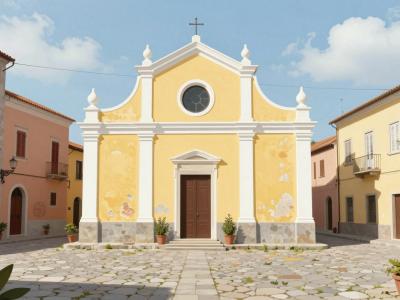
Stari trg (Main Square)
Historic square at Labin’s cultural heart
Cultural Experiences · Urban Exploration

Labin Loggia
16th-century Loggia at Labin’s historic main square
Cultural Experiences · History & Heritage
Labin City Museum
Museum in Labin's 14th-century town hall
Cultural Experiences · History & Heritage
Labin Town Tower
Medieval bell tower with panoramic Adriatic views
Cultural Experiences · History & Heritage
Questions people ask
Quick Facts
Best Time to Visit
April to October offers warm weather, lively festivals, and ideal conditions for sightseeing, hiking, and enjoying Labin’s beaches and art scene.