







Medieval Churches (Archaeological Remains)
Medieval Church of St. George in Mrkopalj
- Where
- Mrkopalj, Gorski Kotar
- Directions
- Directions
Mrkopalj is a mountain village in Gorski Kotar, the forested highland region of western Croatia, at an altitude of around eight hundred metres, and it has a long recorded history for such a remote place. The village is mentioned in documents from the late Middle Ages, and the area has been settled for much longer, which means that churches and chapels were built here over many centuries. The remains of medieval churches here are best understood against what is generally known about religious buildings in the region and the setting in which they were built.
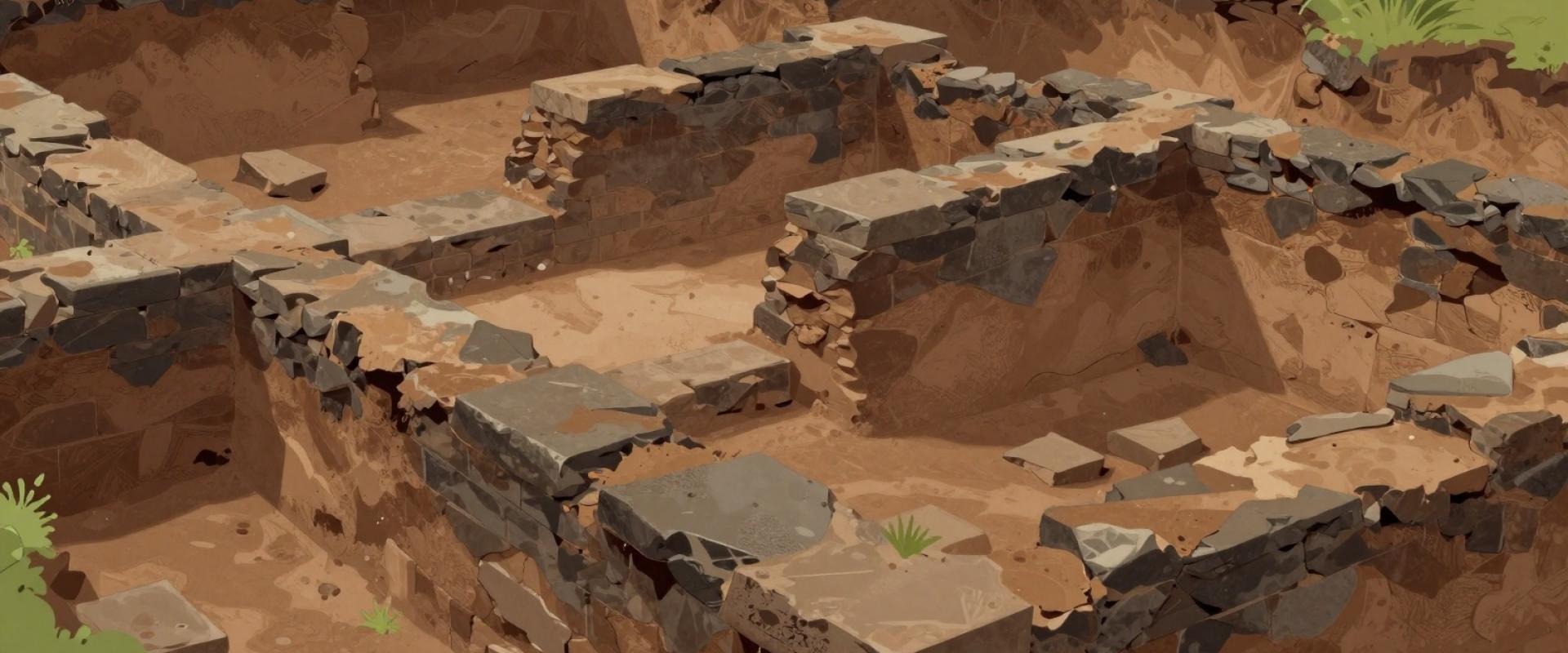
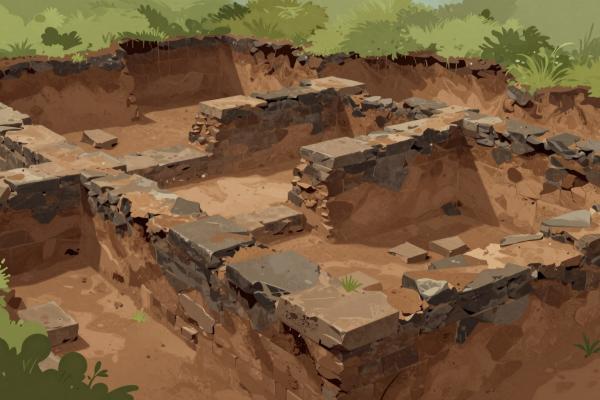
In Gorski Kotar, as in other parts of inland Croatia, the early churches were modest buildings, small and simple, built of local stone and timber by village communities, often on hilltops, beside old routes or near cemeteries. Many of them were damaged or abandoned in the centuries of warfare and migration that affected the region, and some were replaced by larger churches in the Baroque period, while others fell into ruin and were gradually absorbed by the forest. What remains today may be low stone foundations, sections of walls, mounds in meadows or isolated chapels, and archaeologists have recorded a number of such sites in the area around Mrkopalj. They are not formally developed, with no signs or railings in many cases, which means that they are best understood as part of the landscape.
The church of St. George is the most prominent religious building mentioned in connection with the village. St. George is one of the most widely honoured saints in Croatia, and churches dedicated to him are common in highland parishes. The building is in use, and visitors describe it as having an attractive exterior and a pleasant interior, so it is the easiest religious site to see in the village. Opening depends on services, so ask locally if you wish to enter, and dress modestly.
Visiting these sites is as much about the walk as about the ruins. The village lies in a landscape of beech and fir forest, meadows and rocky outcrops, with marked trails that lead to viewpoints and natural attractions such as the pale limestone towers of the Bijele and Samarske Stijene reserve, the viewpoint at 1,335 metres, Velika Zelenica and a small chapel, all listed in this guide. Mrkopalj is also known as the cradle of skiing in Croatia, with a tradition of winter sport that goes back to the early twentieth century.
If you hope to find the remains of a medieval church, ask in the village or at the local tourist office for directions, and do not move or take stones. Wear sturdy shoes, bring water and a map, and be careful on uneven ground. Access is generally free. Allow an hour or two. The sites suit those interested in archaeology and local history and walkers who like quiet, off-the-beaten-path places.
Categories
More photos coming soon
Nearby Attractions
Other places to visit in Mrkopalj
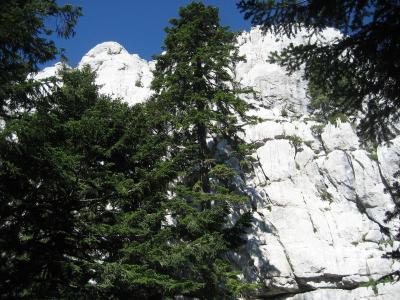
Bijele & Samarske Stijene
White limestone towers amid forested peaks
Activities & Adventure · Natural Wonders
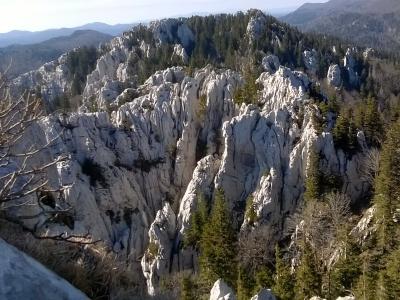
Geologic Formations (1335m viewpoint)
Dramatic limestone cliffs at 1335m viewpoint
Natural Wonders · Mountains
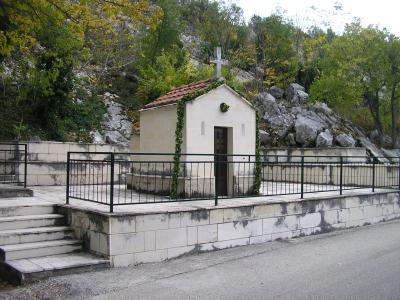
Kapelica
Historic chapel in Croatia’s skiing cradle
Cultural Experiences
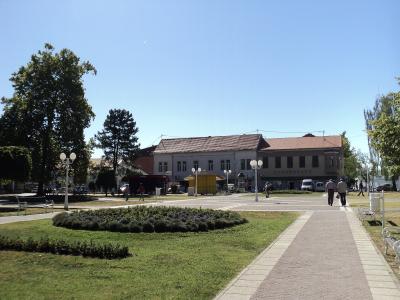
Velika Zelenica
Panoramic mountain views from Velika Zelenica viewpoint
Cultural Experiences
Questions people ask
Quick Facts
Best Time to Visit
June and September offer mild weather and lush scenery for hiking; winter is ideal for skiing and snow sports in the surrounding mountains.