







Oršić Castle and Museum of the Peasants' Revolt
Baroque castle housing the 1573 Peasants' Revolt museum
- Where
- Gornja Stubica, Zagorje
- Directions
- Directions
Oršić Castle stands in Gornja Stubica, a village in Hrvatsko Zagorje, in Krapina-Zagorje County, about forty kilometres north of Zagreb, and it houses the Museum of the Peasants' Revolt, which tells the story of the great uprising of 1573. The area around Stubica is the heartland of that rebellion, and the castle, the park, the memorial and the nearby linden tree form a group of sites that are central to the memory of the event in Croatia. For anyone interested in the history of the region, it is the place to start.
The castle is a Baroque manor house of the mid-eighteenth century, built by Count Krsto Oršić and his wife on the site of an earlier medieval fortification. It has an L-shaped plan, and a classical colonnade was added in the nineteenth century. The interior is well preserved, and one of the highlights is the chapel, which is decorated with illusionistic murals, painted to create the impression of architectural space. The building reflects the status of a noble family in Zagorje in the Baroque period, when manors like this were centres of local power and social life.
The museum was set up in the early 1970s, on the four hundredth anniversary of the revolt. In 1573, peasants in northern Croatia and Slovenia, driven to desperation by heavy taxes, forced labour and the brutality of their landlords, rose against the nobility under the leadership of Matija Gubec. The rising spread over a wide area, but it was crushed within weeks by the armies of the nobles, and its leader was executed in Zagreb in a cruel way. The museum's exhibits present the causes, the course and the legacy of the revolt, using documents, weapons, pictures and objects, along with multimedia displays that help explain the events to visitors of different ages. It is a thorough introduction to a key episode in Croatian social history, one that is remembered with a mix of sorrow and pride.
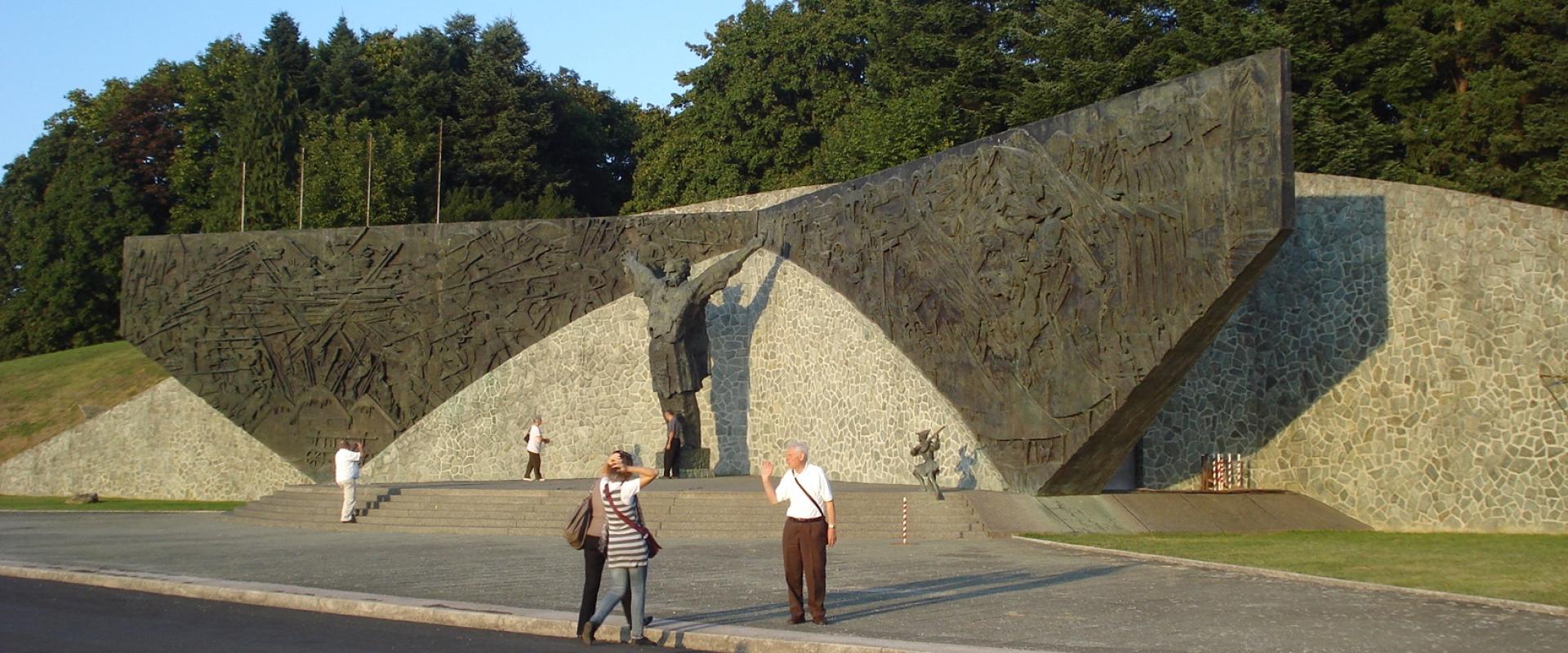
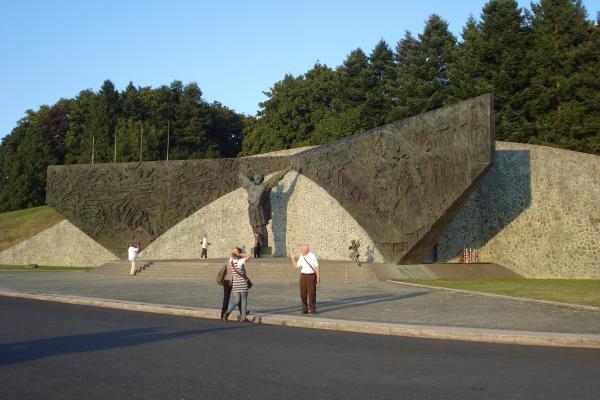
In the castle park stands a large monument to the revolt, with the figure of Matija Gubec at its centre, made by the sculptor Antun Augustinčić, whose own gallery is in Klanjec. The park is open and spacious, with trees and lawns, and it is a pleasant place for a walk. Nearby, a famous old linden tree known as the Gubec Linden is traditionally associated with the leader, and an ethnographic village, Dišeća Starina, a memorial park to the pilot Rudolf Perešin and a small castle called Stubički Golubovec are listed in this guide as other points of interest.
Opening hours and ticket prices vary with the season, so check before you go. Allow one to two hours for the museum and the park. The visit suits history lovers, families and school groups, and anyone who wants to understand the Zagorje region.
Categories
More photos coming soon
Nearby Attractions
Other places to visit in Gornja Stubica
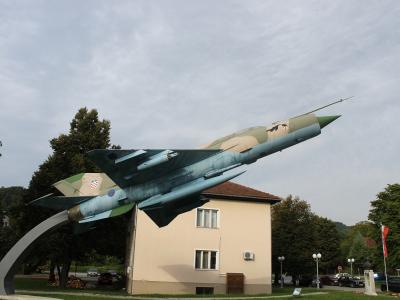
Rudolf Perešin Memorial Park
Memorial park honoring pilot Rudolf Perešin
History & Heritage · Monuments
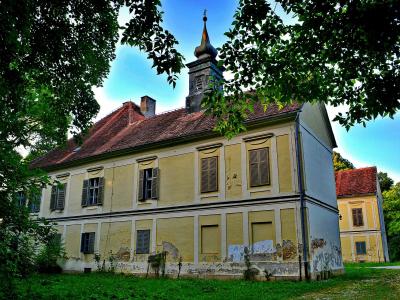
Stubički Golubovec Castle
Late Baroque castle with landscaped park and forest
History & Heritage · Castles

Burnjak Dam and Retention Basin
Large flood control dam with 1.8M m³ retention
Activities & Adventure · Natural Wonders
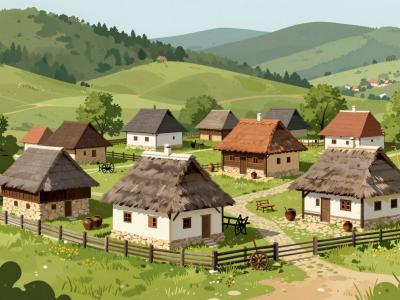
Dišeća Starina Ethno Village
Traditional Croatian village showcasing heritage
Cultural Experiences · History & Heritage
Questions people ask
Quick Facts
Best Time to Visit
June to August offers warm weather, lush scenery, and lively festivals; spring and early autumn are ideal for hiking, sightseeing, and cultural events.