







- Where
- Vis Island, Dalmatia
- Directions
- Directions
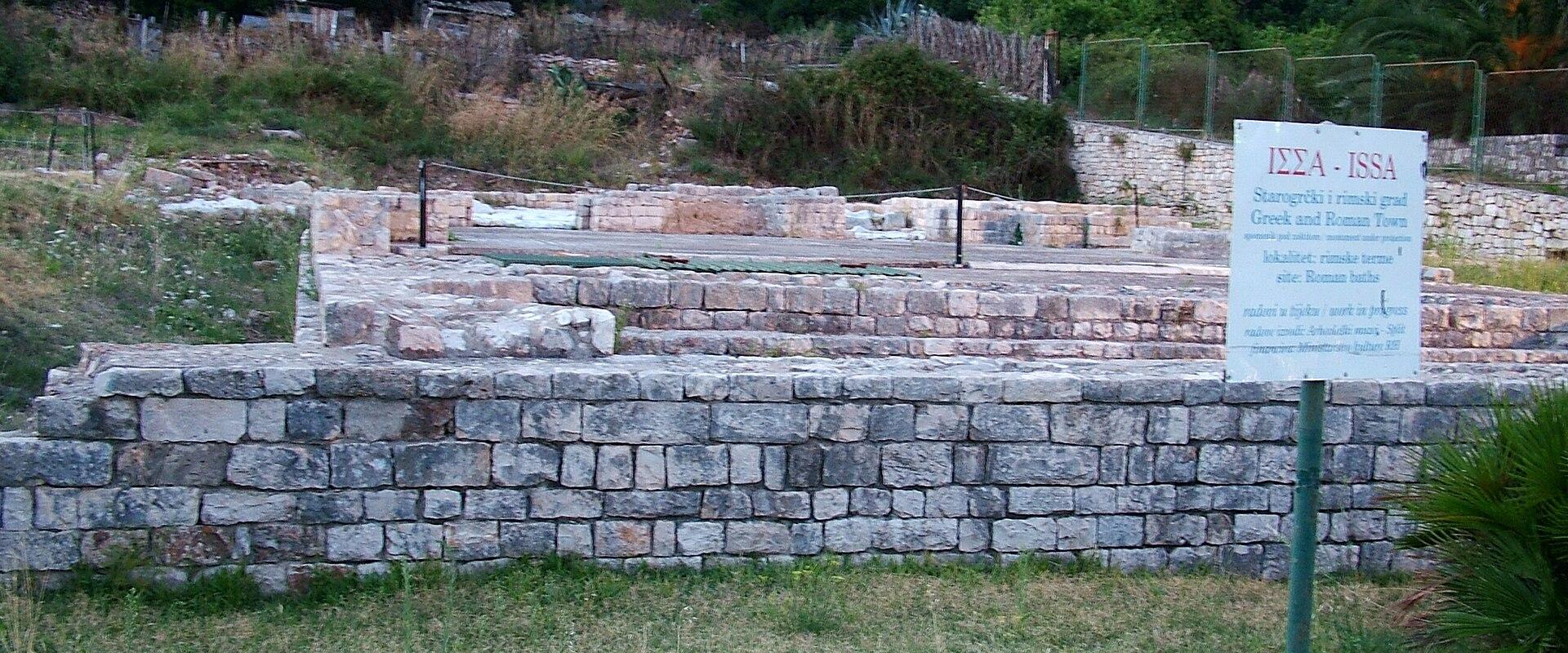
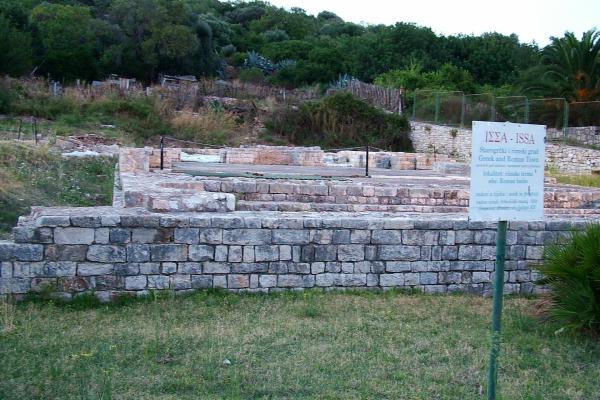
The Roman Baths of Vis, known as Termi Romane in Croatian, are the remains of a public bath house in Vis Town, on the island of Vis, in the Adriatic Sea, in Croatia. They lie close to the harbour, and they are one of the best-preserved traces of ancient Issa, the ancient city that stood on this site and was among the most important settlements on the Adriatic in antiquity.
Issa has a long history. It was founded by Greek colonists, in the early fourth century BC, who came from Syracuse in Sicily, and it grew into a self-governing city that minted its own coins and founded colonies on the mainland coast. There was a long Roman-era chapter: the Romans took control in the following centuries, and under their rule Issa continued as a significant port. Remains from both periods can be seen in Vis today, including a Greek necropolis, a Roman theatre and the baths. Vis’s position, far out in the Adriatic Sea, made it a natural base for ships, and the harbour has been in use for over two thousand years.
Although we call them baths, Roman baths were much more than places to wash. Issa’s baths, in particular, were a social hub. They were social centres, where people met friends, did business, exercised, listened to poetry and relaxed, and a bath house was one of the first buildings erected in any Roman town. The baths of Issa follow the typical design, with a sequence of rooms of increasing heat. Bathers began in the apodyterium, the changing room, and moved through the tepidarium, the warm room, to the caldarium, the hot bath, and the sudatorium, a sweat room, before finishing in the frigidarium, the cold pool. The rooms were heated by a hypocaust, a system of hot air that circulated under raised floors and within the walls, fed by a furnace, and the stub pillars that supported the floors can still be seen in places. Traces of mosaics and wall paintings show that the interior was decorated.
The complex suffered damage in the Second World War, and restoration in the decades afterwards stabilised the walls and gave visitors a clearer picture of the layout. Today the ruins are open air and informal, so you can walk among the walls, imagine the steam and conversation, and read the plan from the stones. The site is not elaborately signposted, so it helps to ask locally or at the tourist office for directions and access.
Vis has many other sights that fit with a visit to the baths. Fort George, Mount Hum and the Tito’s Cave tell later chapters of the island’s history, while Stiniva Cove, Srebrna Bay and Stončica Bay offer beautiful swimming, and the Blue Cave on the nearby islet of Biševo is a famous boat trip. The baths suit history lovers and anyone who enjoys walking through ruins in a lovely setting.
Categories
More photos coming soon
Nearby Attractions
Other places to visit in Vis Island
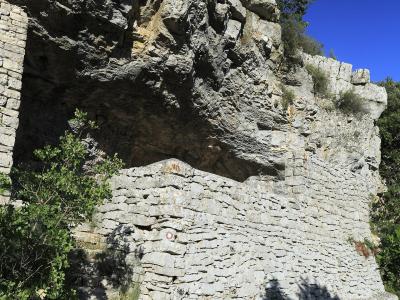
Military Tunnel (Titova Spilja / Tito’s Cave)
World War II hideout with secret military tunnels
History & Heritage · Urban Exploration
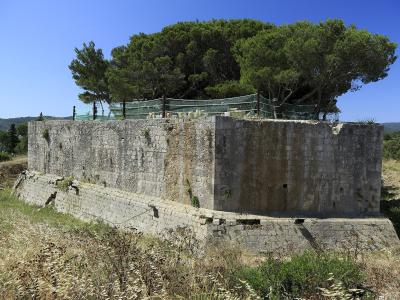
Fort George (Fortica)
19th-century British fort with Adriatic views
Free History & Heritage · Castles
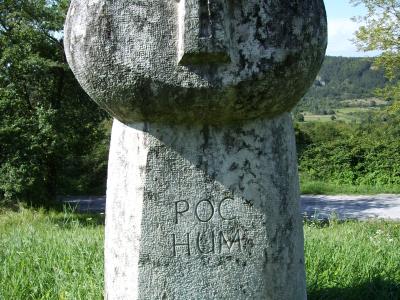
Mount Hum
Highest peak on Vis Island with panoramic views
Free Natural Wonders · Hiking Trails
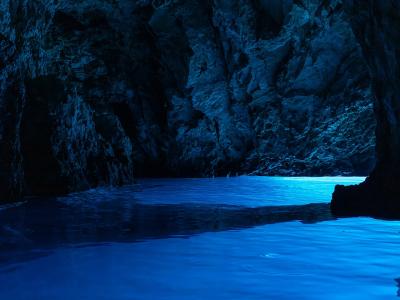
Blue Cave (Modra špilja)
Natural sea cave with glowing blue light
Natural Wonders · Caves
Questions people ask
Quick Facts
Best Time to Visit
May to September offers warm weather, calm seas, and full access to tours and beaches; late spring and early autumn are quieter with pleasant temperatures.