







- Where
- Pula, Istria
- Directions
- Directions
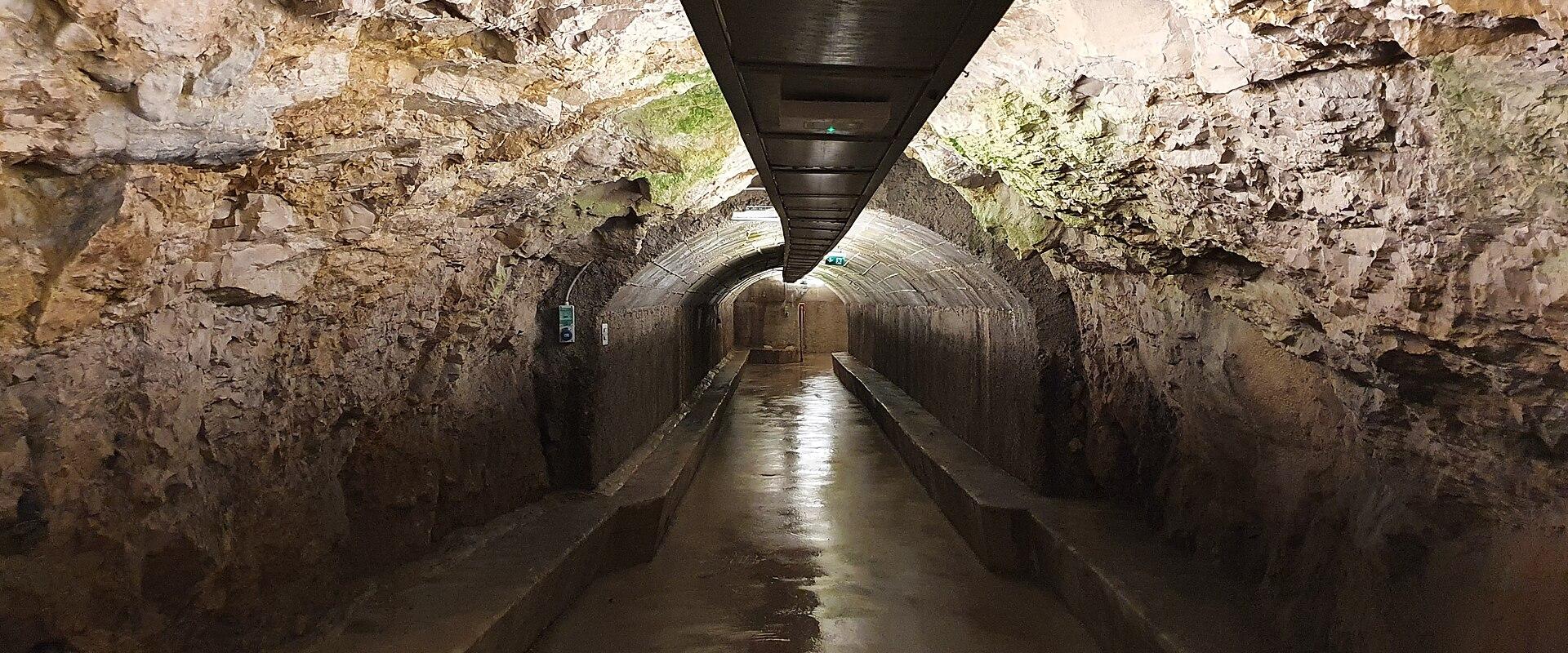
Zerostrasse is a network of tunnels beneath the old town of Pula, built by the Austro-Hungarian navy in the early 20th century when Pula was the empire's principal naval base. The name is German and was the label given to the passages on military plans, and the tunnels cut through the hill below the Venetian fortress, the Kaštel, linking different parts of the city. Today they are one of the more unusual things to see in a town otherwise known for its Roman remains.
Pula was a major military harbour in Habsburg times, and before and during the First World War it was heavily fortified. Underground passages like these served several purposes at once: they provided safe routes for soldiers and equipment, offered shelter during air raids and allowed movement between parts of the city without exposing people to attack. The tunnels were used again as shelters in later conflicts, and they remained part of the city's memory of the 20th century. Their construction in brick and stone, with arched ceilings and thick walls, is typical of military engineering of the period.
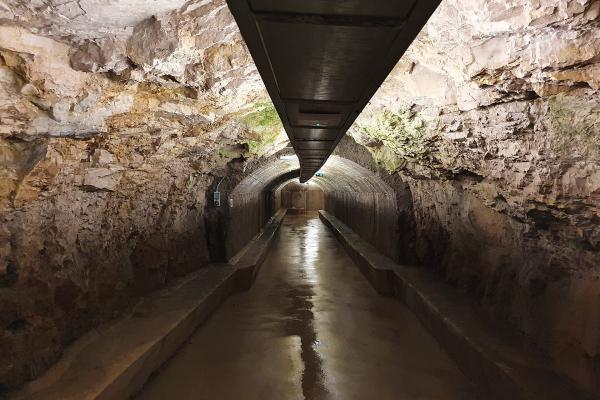
A visit is an atmospheric walk through cool, dim corridors. The temperature underground stays mild all year, so it is a refreshing break on a hot summer day and a dry refuge in rainy weather. Historic photographs, information panels and displays along the route explain how the tunnels were built and used, and they give a feel for daily life in the naval city. The corridors are long and narrow, and the lighting is subdued, so wear shoes with a good grip and be careful on uneven or damp floors. The visit usually takes less than an hour, which makes it easy to add to a day of sightseeing.
The tunnel system has several entrances, one of them on Carrarina street, and from the area it is possible to climb up to the fortress above, where the views take in the rooftops, the harbour and the cranes of the shipyards. The Kaštel itself houses the historical museum of Istria, and the hill is a pleasant place to wander. Down in the old town, Pula's other sights are close by, among them the Arch of Sergii, the Forum, the Temple of Augustus, the Twin Gates (Dvojna Vrata), the Roman Theatre and the Pula Arena, as well as the James Joyce Statue outside Café Uliks and the Museum of Olive Oil.
Opening times and prices change, so check locally. Zerostrasse suits history enthusiasts, families and travellers who like hidden places beneath the surface of a city.
More photos coming soon
Nearby Attractions
Other places to visit in Pula
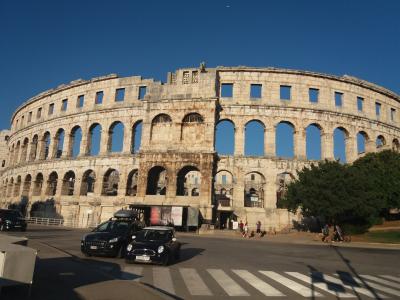
Pula Arena
Roman amphitheater, one of the best-preserved worldwide
History & Heritage · Ancient Sites
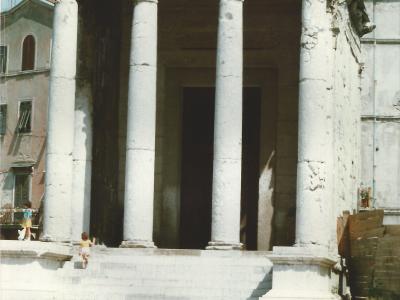
Temple of Augustus
Well-preserved Roman temple dedicated to Augustus
History & Heritage · Ancient Sites
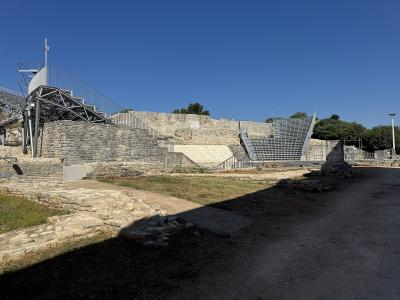
Pula's Roman Theatre
Small Roman theatre ruins in Pula old town
Cultural Experiences · History & Heritage
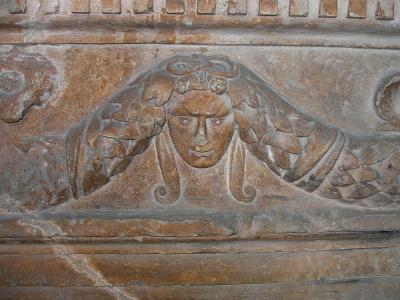
Museum of Olive Oil
Museum of Istrian olive oil history and tasting
Cultural Experiences · Food & Gastronomy
Questions people ask
Quick Facts
Best Time to Visit
May to October offers warm weather, lively festivals, and ideal conditions for sightseeing, beaches, and exploring Pula’s Roman and medieval heritage.