Beating the midday heat
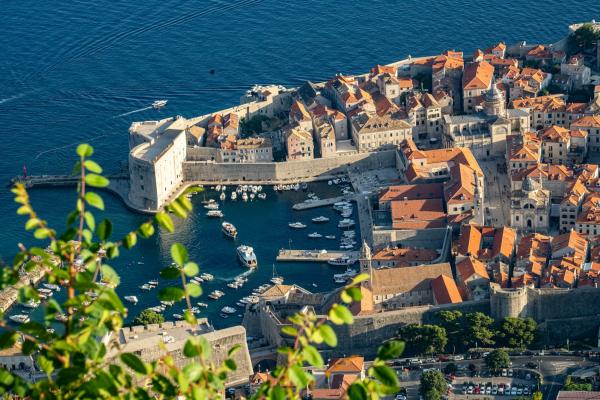
In July and August, Dubrovnik's Old Town can be uncomfortably hot by late morning. The limestone streets and walls store heat, the walls walk has little shade, and the crowds peak around midday when cruise passengers arrive. A good strategy is to do your outdoor sightseeing early in the morning and in the evening, and spend the hottest hours indoors, in the city's museums and galleries, before finishing the day with a glass of local wine.
The Museum of Modern Art Dubrovnik
The Museum of Modern Art Dubrovnik is in a large villa that once belonged to the Banac family, at Frana Supila 23 in the Ploče district, about a five-minute walk east of the Ploče Gate. Founded in 1945, it holds Croatian art from the late 19th century to the present, with a strong focus on painters from Dubrovnik and the surrounding region, such as Vlaho Bukovac, the city's best-known painter. It also hosts temporary exhibitions, and its terraces have views over the sea. It is usually much quieter than the Old Town.
The same institution runs the Dulčić Masle Pulitika Gallery inside the Old Town, named after three 20th-century Dubrovnik painters, which shows temporary exhibitions in a smaller setting.
War Photo Limited
War Photo Limited, at Antuninska 6, a narrow street off Stradun, is a gallery dedicated to war photojournalism. Its permanent exhibition on the wars that accompanied the break-up of Yugoslavia is complemented by temporary shows on conflicts around the world. It is serious and often harrowing, but it is one of the most memorable things to see in Dubrovnik, and a reminder that the city itself was shelled in 1991 and 1992. The gallery is open seasonally, generally from spring to autumn, so check its website.
The Rector's Palace and the monasteries
The Rector's Palace, seat of the government of the old Republic of Dubrovnik, houses the Cultural History Museum, with furnished rooms, portraits and a beautiful arcaded atrium. Its thick walls keep the interior relatively cool. It is part of Dubrovnik Museums, which also runs the Maritime Museum in St John's Fortress at the harbour, covering the city's seafaring history. A combined ticket for several of these museums has been available, so ask at the ticket desk.
The Franciscan Monastery, just inside the Pile Gate, has a quiet cloister and one of the oldest pharmacies in Europe still in operation, founded in 1317. The Dominican Monastery, near the Ploče Gate, has a museum with paintings by Dubrovnik Renaissance masters such as Nikola Božidarević. Dress modestly for religious sites, with shoulders and knees covered.
The wines of the Dubrovnik region
When the heat eases, it is time for wine. The Dubrovnik region and its neighbours produce some of Croatia's most interesting wines.
The Pelješac peninsula, north-west of the city, is the home of plavac mali, a powerful red grape grown on steep slopes above the sea. The Dingač and Postup vineyards, on its southern coast, were among the first protected wine appellations in the former Yugoslavia. South-east of the city, the Konavle valley has revived Malvasija Dubrovačka, a local white variety with a long history in the region. On the island of Korčula, look for Pošip, a fresh white, and Grk, a rare white grown around Lumbarda.
Where to taste
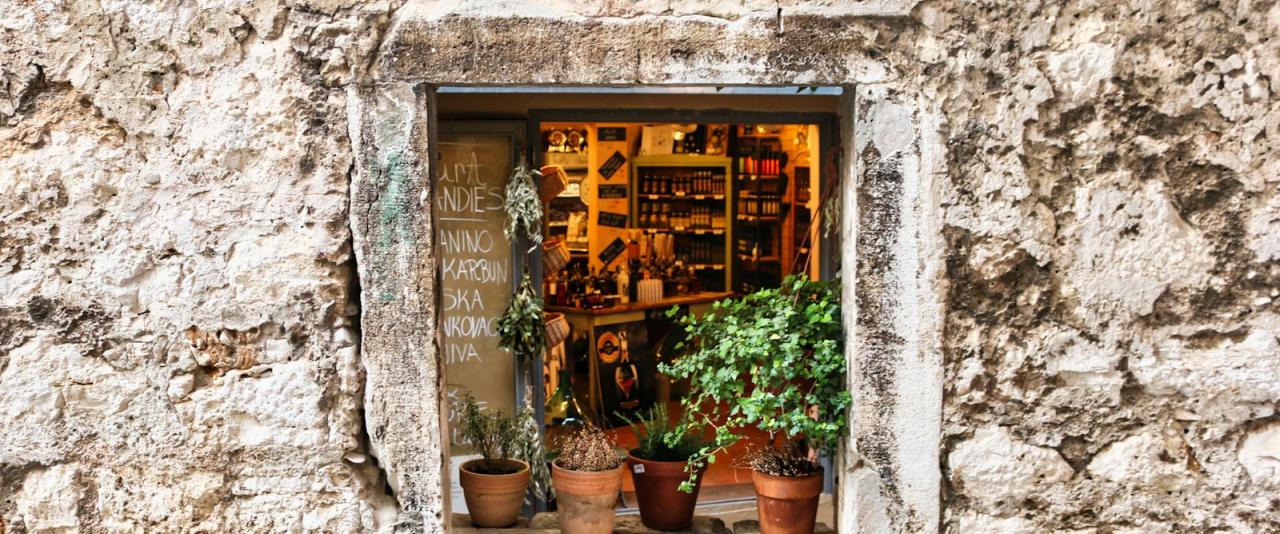
The Old Town has several wine bars serving local wines by the glass, often with plates of cheese and pršut, and many restaurants have good lists of regional wines. Ask for wines from Pelješac, Konavle and Korčula specifically; staff are usually happy to recommend.
To go further, organised wine tours run from Dubrovnik to Pelješac, often combined with a stop in Ston, famous for its long medieval walls and its oysters and mussels farmed in Mali Ston Bay. Konavle, south of the city towards Cavtat, has family wineries that offer tastings by appointment and is closer for a half-day trip. If you are driving, remember that Croatia has strict drink-driving limits, so book a tour or choose a designated driver.
A cool summer day plan
Start with an early walk on the city walls when they open, before the heat builds. Spend the late morning at the Rector's Palace and the Franciscan Monastery, then have a long, shaded lunch. In the afternoon, walk out to the Museum of Modern Art or visit War Photo Limited. Rest at your accommodation in the hottest hours, then head out at sunset for wine and dinner. Carry water all day, and refill it from the city's public fountains, including Onofrio's Fountain near the Pile Gate.