








Cavtat, on a wooded peninsula just south of Dubrovnik, is one of Croatia’s most attractive coastal towns. Its history stretches back to the 6th century BC, when it was founded as the Greek colony of Epidaurus. Over the centuries Cavtat flourished under Roman rule, when it was called Epidaurum, and later became an important part of the Republic of Ragusa, which governed it from 1419 until 1808. After the Slavs and Avars destroyed Epidaurum in the 7th century, the survivors moved north to the rock where Dubrovnik arose, and Cavtat, the name of which comes from civitas, the Latin word for city, remained as a small town. The town’s layered past is reflected in its architecture, archaeological sites and enduring traditions.
The center of Cavtat is its old town, where narrow cobblestone streets wind between stone houses, shaded squares and historic churches. The palm-lined waterfront promenade is the town’s focal point, with views of the harbor, anchored yachts and the turquoise Adriatic. Along the promenade visitors will find a lively mix of cafes, seafood restaurants and ice cream parlors, good for relaxing and people-watching. The Rector’s Palace, the Knežev Dvor, from the 15th century, was the seat of the Ragusan governor and today houses a collection of the lawyer and scholar Baltazar Bogišić, as well as a library. The Villa Faggioni is among the small hotels in the old streets, and the Shell Museum shows a collection of marine life.
Among Cavtat’s main attractions is the Račić Mausoleum, a striking white stone structure designed by the renowned Croatian sculptor Ivan Meštrović in the 1920s. Located on a hill overlooking the town, the mausoleum is the final resting place of the Račić family of shipowners and offers panoramic views of Cavtat and the surrounding coastline. The Franciscan Monastery and Church of Our Lady of the Snows, dating from the 15th century, house valuable works of art and offer a peaceful retreat from the bustle of the harbor. Art lovers should not miss the Bukovac House and Gallery, the birthplace of the celebrated painter Vlaho Bukovac, which shows his life and works. Bukovac, born in Cavtat in 1855, studied in Paris and became the most important Croatian painter of his generation, and the house contains his studio and many of his portraits and large canvases.
Cavtat’s natural beauty is equally captivating. The town is surrounded by lush pine forests and clear water, with several pebble beaches and secluded coves good for swimming, snorkeling and sunbathing. The scenic coastal paths that encircle the peninsula are good for leisurely walks or cycling, with wide views at every turn. Boat trips and water taxis connect Cavtat with Dubrovnik, the Elaphiti Islands and other nearby destinations, which makes it easy to explore the wider region. The walk around the Rat peninsula, shaded by Aleppo pines, takes about an hour and passes the mausoleum and small beaches.
For the more adventurous, Cavtat offers activities such as cycling tours, ATV rides in the Konavle countryside and wine tasting at local vineyards. The nearby Sokol Grad fortress and the Ethnographic Museum of Konavle give insights into the area’s rich cultural heritage. The Konavle valley is known for embroidered folk costumes, silk-making traditions and local wines such as Malvasia Dubrovačka. Cavtat also hosts a variety of festivals and events throughout the year, including art exhibitions, music concerts and traditional celebrations.
Getting to Cavtat is convenient, with Dubrovnik Airport just 5 kilometers away and regular bus and boat connections to Dubrovnik and other coastal towns. The town’s compact size makes it easy to explore on foot, and its relaxed pace offers a welcome contrast to the busier streets of Dubrovnik.
The best time to visit Cavtat is from May to October, when the weather is warm and sunny and the Adriatic is good for swimming and boating. July and August are the hottest and busiest months, while late spring and early autumn offer pleasant temperatures and fewer crowds. Even in the quieter months Cavtat’s mild climate and scenic beauty make it an inviting destination year-round.
Whether you are seeking history, culture, outdoor adventure or simply a peaceful seaside escape, Cavtat’s blend of old-world charm and natural splendor offers a memorable stay on the Dalmatian coast.
Best time to visit
May to October offers warm, sunny weather and ideal conditions for swimming, boating, and exploring Cavtat’s historic town and scenic coastline.
What to see in Cavtat
Our picks first.
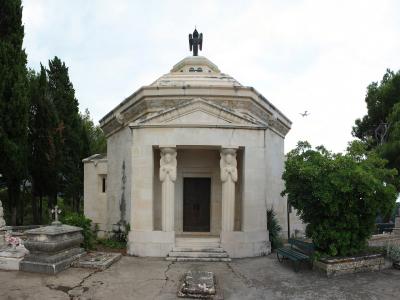
Mausoleum of the Racic Family
Mausoleum by Meštrović with sea views in Cavtat
History & Heritage · Historic Houses
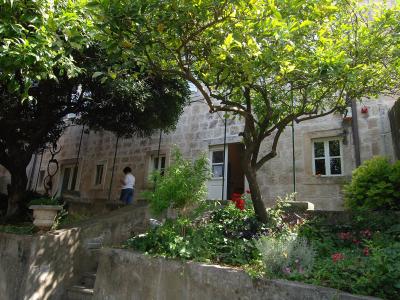
Bukovac House Museum
Home and studio of Croatian painter Vlaho Bukovac
Cultural Experiences
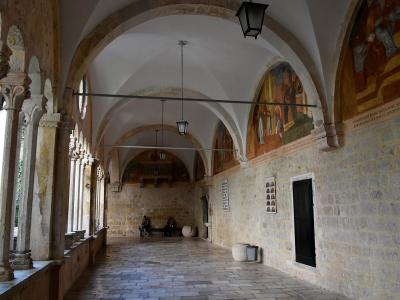
Franciscan Monastery
14th-century monastery with Europe’s oldest pharmacy
Cultural Experiences
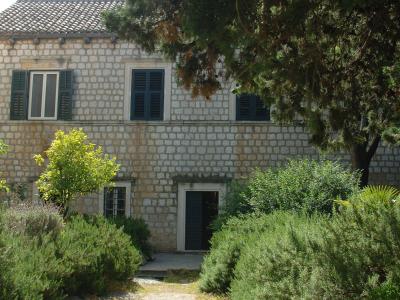
Rector's Palace (Knezev Dvor)
Historic seat of Dubrovnik Republic governance
Cultural Experiences · History & Heritage
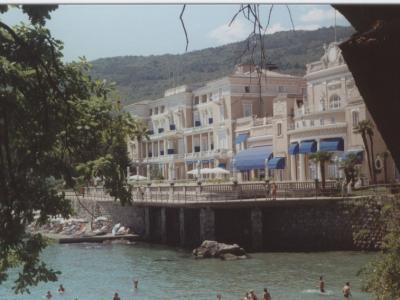
Seaside Promenade
Historic seafront promenade in Cavtat, Croatia
Coastal & Maritime · Promenades
Cavtat by interest
The same sights, grouped by what you came for.
Did you know?
Checked facts about Cavtat, each with its source.
-
Notable Person
Cavtat Native Bogišić Wrote Montenegro's Civil Code
Jurist Baltazar Bogišić was born in Cavtat on 20 December 1834. He drafted the General Property Code for the Principality of Montenegro, which came into force in 1888. His library and papers are kept in the Baltazar Bogišić Collection of the Croatian Academy of Sciences and Arts, in his family home in Cavtat.
Source: Konavle Museums and Galleries (MIGK) blog
Planning a visit to Cavtat
Good to know
- Currency
- EUR
- Language
- Croatian
Quick Facts
Book your stay
Questions people ask
More places in Dalmatia
Dalmatia
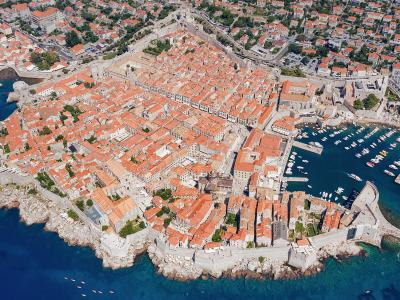
Dubrovnik
Walled Adriatic city with UNESCO heritage and coastal views
Dalmatia
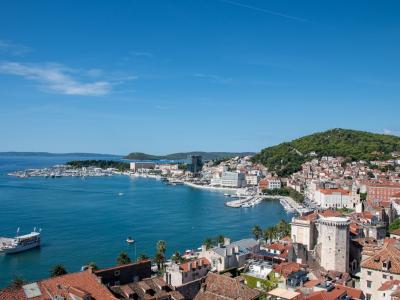
Split
Roman palace city with Adriatic beaches and vibrant nightlife
Dalmatia
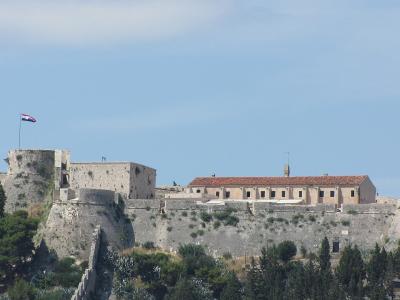
Hvar
Sun-drenched Dalmatian island with beaches and lavender fields
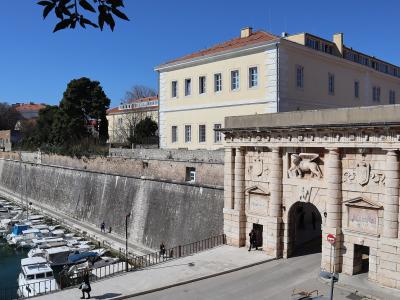
Dalmatia
Zadar
Ancient Dalmatian port with Roman ruins and modern art