Escaping the Summer Surge
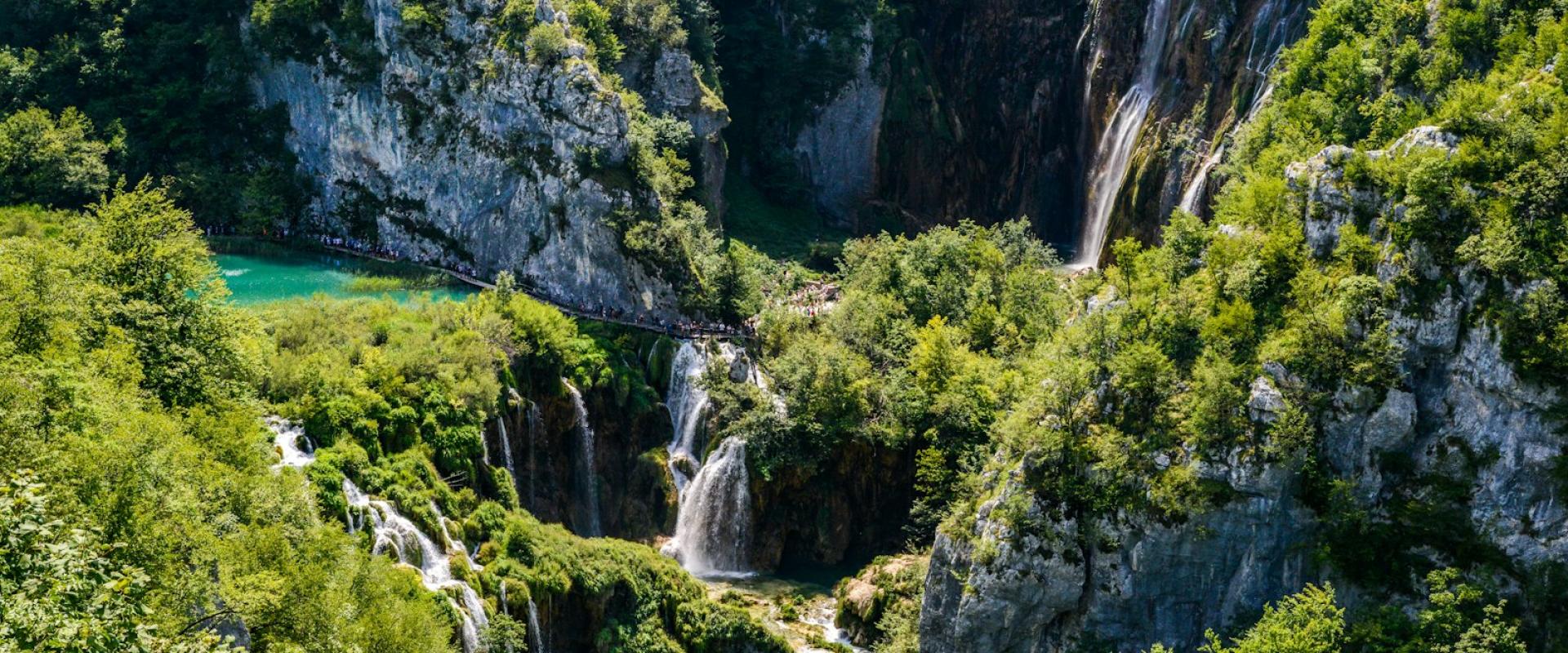
June through August turns Plitvice Lakes National Park into a congested bottleneck. Long queues snake along the wooden boardwalks, disrupting the natural rhythm of the waterfalls and turning what should be a meditative walk into a chaotic shuffle.
Early spring offers a distinct advantage for travelers seeking tranquility. Mild April and May temperatures provide an ideal hiking climate, free from the oppressive, humid heat of midsummer. While the park remains fully open, the sheer volume of visitors drops significantly. This reduction in crowd density allows for a more immersive experience with the landscape, where you can actually hear the water rather than just seeing it.
Walking the trails at a leisurely pace lets you pause to photograph snow-capped peaks still lingering in the background, their white caps contrasting sharply with the emerging green of the beech forests. The turquoise lakes reflect the clear sky without the obstruction of thousands of tourists. Lower ticket prices during these shoulder months provide additional financial relief for your itinerary, allowing you to allocate budget toward other experiences.
Planning your visit requires checking specific opening hours, as they differ from the summer schedule. Water levels are often higher in spring due to melting snow, enhancing the visual impact of the cascades with a powerful, thunderous roar. You gain space to breathe and observe local flora without rushing, allowing the environment to reveal itself at its own pace.
This approach prioritizes quality of experience over quantity of sights. The serene atmosphere allows for a deeper connection with the environment, where wildlife stays hidden during the peak season chaos but may reveal itself now. Embracing off-peak timing ensures a memorable and peaceful journey through Croatia’s most famous national park, rewarding patience with solitude and natural beauty.
Early spring offers a rare silence at Plitvice Lakes, where the usual summer thrum is replaced by the rush of high-waterfalls. Mist clings to the turquoise pools as winter rains swell the lakes, creating a moody, atmospheric backdrop for contemplation. The absence of large groups allows for a slower, more intimate connection with the landscape.
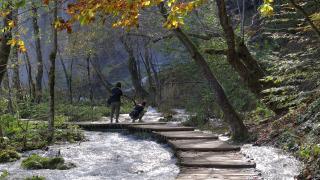
Begin your trek at Entrance 1, the traditional gateway to the Upper Lakes. The initial boardwalks wind gently through the water, offering close-up views of the cascades. Be cautious, however; the wooden planks in March and April are often slick with moss and mist. Sturdy, grippy footwear is non-negotiable here, as a slip on these damp surfaces can be dangerous.
Weather in the Gorski Kotar region is notoriously unpredictable. Chilly mornings often give way to warm, sunny afternoons, requiring a layering strategy. A waterproof jacket is essential for sudden spring showers, while thermal layers prove useful if you visit in late February or early March. The temperature can swing by ten degrees within a single hour, so adaptability is key.
To maximize your time, integrate the boat rides on Kozjak Lake into your itinerary. These vessels efficiently bridge the gap between the upper and lower lake sections, saving both energy and hours. Schedules are fixed, so verify departure times at the ticket office, noting that spring fares are typically lower than peak summer rates.
Strict adherence to marked trails is mandatory for your safety and the preservation of this fragile ecosystem. Venturing off-path risks injury and damages the delicate natural balance the park works hard to protect. Signage is abundant and clear; follow it diligently to ensure a secure experience.
The combination of hiking and boating provides a dynamic perspective on the waterfalls. From the boardwalks, you hear the thunderous roar of the falls, a sound that feels louder and more persistent in spring. This auditory layer adds depth to the visual spectacle, making a full-day exploration well worth the effort.
Pack your own snacks and water, as dining options inside the park are sparse. While cafes exist near the entrances, bringing provisions allows you to pause at designated viewing platforms without rushing. These spots offer pristine photo opportunities away from the main thoroughfares.
The wooden pathways are engineering marvels designed to minimize environmental impact. Respecting the designated routes ensures you experience the park as intended: peaceful, immersive, and safe.
For personalized route planning or current trail conditions, feel free to reach out. I can assist with booking boat tickets or suggesting optimal start times to tailor the visit to your specific schedule.
Wildlife and Winter’s Legacy
Early spring casts a lingering chill over Plitvice Lakes National Park, transforming the usual hum of tourism into a profound silence. With crowds kept at bay, the forest reveals its true rhythm: the sharp tap-tap of woodpeckers working through bare beech branches, the crunch of frost underfoot, and the relentless rush of water carving through limestone. This is not merely a quiet moment; it is an auditory immersion into an ecosystem that breathes without human interference.
Brown bears still roam these trails, leaving unmistakable tracks in the muddy banks near Kozjak Lake. Spotting these marks offers a thrilling glimpse into the park’s wild heart, yet maintaining a respectful distance remains paramount. These creatures value solitude, and your role is to observe without intruding. Keep an eye out for subtle signs of life—feathers caught in shrubs, disturbed leaf litter, or the faint scent of pine—and let these details guide your appreciation of the undisturbed habitat.
The waterfalls retain a raw, icy vigor from the winter melt, cascading with renewed energy over turquoise terraces. Standing before the Plitvice Falls, you feel the season’s weight lifting, replaced by a grounding spiritual connection to Croatia’s untamed nature. The interplay of pale sunlight on the frozen and flowing water creates a serene, almost ethereal atmosphere that summer crowds rarely allow you to fully absorb.
Visiting in April or May offers optimal visibility and lower entry fees, but preparation is key. Pack warm layers, as the mountain air remains crisp even as the sun begins to warm the trails. Staying on marked paths, such as those around the Great Waterfall, protects sensitive root systems and ensures this fragile habitat survives for future generations. Your presence here is more than a sightseeing trip; it is a direct support for conservation efforts.
Take your time. Let the silence settle in. There is no rush here, only the steady pulse of nature. Whether you are tracking animal signs or simply watching the mist rise from the lakes, peace is found in these small, authentic moments. This is not just a hike; it is an invitation to witness the enduring legacy of winter as it yields to spring.