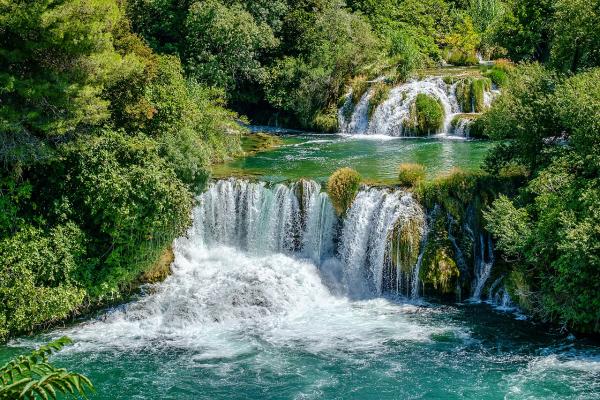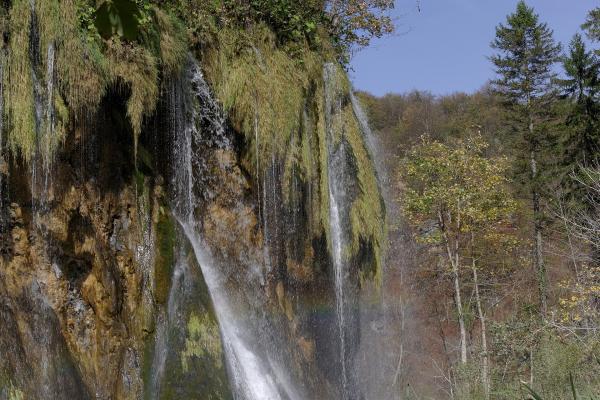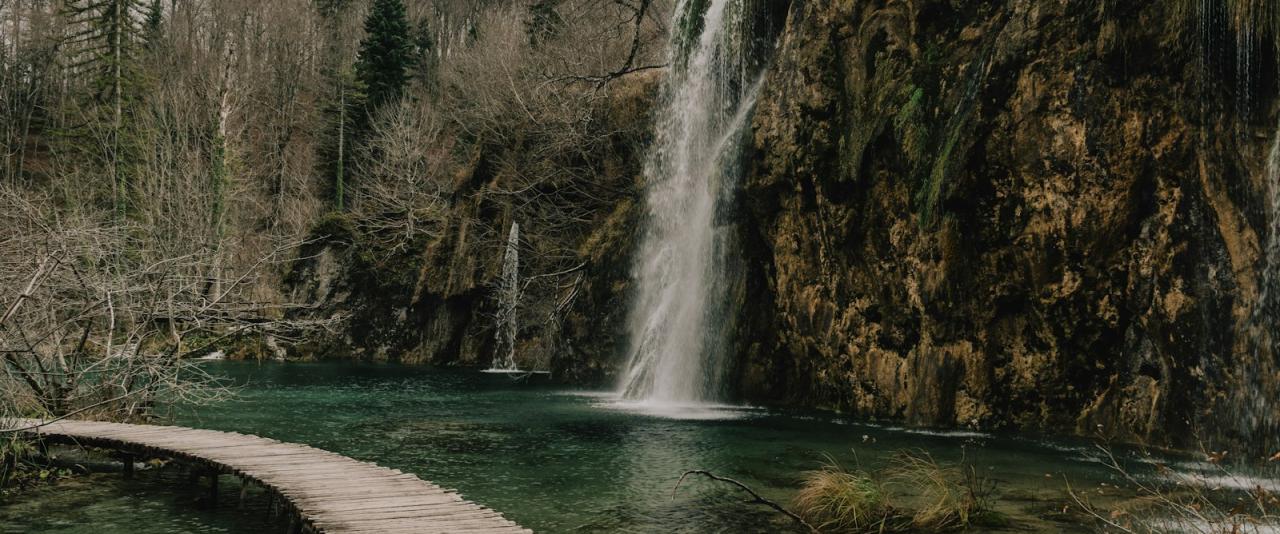
Is Plitvice worth visiting in winter?
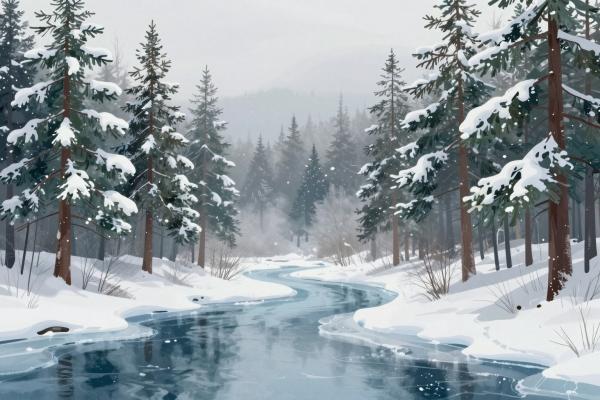
Yes, with the right expectations. In winter Plitvice Lakes National Park is quiet, cheap to enter and often covered in snow, and the lakes and waterfalls can partly freeze in cold spells. In exchange, some routes close, boats and park trains run limited services or stop, and daylight is short. If you want the classic turquoise summer views with every trail open, come between May and October. If you want peace, snow and a park that feels like your own, winter is excellent.
Getting there
Plitvice lies in the Lika region, roughly halfway between Zagreb and Zadar on the old state road D1.
By car, allow about two hours from Zagreb and a little under two hours from Zadar. Snow is common on the higher sections of the road between December and March, and winter equipment, meaning winter tyres or chains carried in the car, is required on Croatian roads in winter conditions. Check the Croatian Auto Club (HAK) traffic reports before leaving.
By bus, intercity services between Zagreb and Zadar or Split stop at the park entrances. Fewer buses run in winter, so check the return time before you set off and tell the driver you want to get off at Plitvice. Organised day tours from Zagreb and Zadar also run in winter, which takes care of the driving.
Tickets and opening
The park is open all year. Winter tickets are the cheapest of the year: in recent seasons the adult ticket from November to March has been around €10, compared with around €40 in July and August. Children and students pay less. Prices and special offers change, so check the official park website, where you can also see which routes are currently open.
In winter, ticket sales close early in the afternoon, and you will usually start from Entrance 1, near the Lower Lakes. The electric boats on Lake Kozjak and the panoramic trains run reduced timetables or are suspended when there is ice or heavy snow.
A one-day winter plan
Arrive at Entrance 1 when the park opens. Start with the viewpoint path above the canyon for the classic view over the Lower Lakes, then walk down the zigzag path into the canyon and along the boardwalks past the lakes. Continue to Veliki Slap, at about 78 metres the park's highest waterfall, which can be partly coated in ice in a hard frost.
If the Upper Lakes are open and the boats are running, cross Lake Kozjak by boat and walk the upper boardwalks. If not, retrace your steps or take the higher forest path back to Entrance 1. In total, plan three to five hours depending on how far you can go, and aim to finish well before dark.
Photography tips
Winter light at Plitvice is soft and low, and the contrast between snow, dark rock and blue water makes for strong images. Early morning gives the best chance of untouched snow and mist over the water. A polarising filter helps cut reflections, and a small tripod lets you use slower shutter speeds for silky water, although tripods can be awkward on narrow boardwalks, so keep to the side and let others pass.
Cold drains batteries quickly. Keep spares in an inside pocket, and let your camera warm up slowly in a bag when you go indoors to avoid condensation.
Eating and warming up
Food options inside the park are limited in winter, so bring snacks and a thermos. Near Entrance 1 there is a restaurant, and the park hotels and family-run restaurants in nearby villages stay open for winter visitors, though some close for part of the season.
Lika's cooking is hearty mountain food, well suited to a cold day: lamb and veal cooked under the peka (an iron bell covered with embers), Lika potatoes, which are a protected local product, sausages and game, and škripavac, the region's squeaky cow's-milk cheese, which is also sold smoked. Look for local trout from the Lika rivers, too. Wash it down with a hot tea or a glass of rakija, the local fruit brandy.
Nearby stops
Rastoke, in Slunj, about half an hour north of the park, is a village of old watermills built where the Slunjčica river tumbles into the Korana in a series of small waterfalls. It is especially pretty in winter, when the mill houses are dusted with snow. Further afield, the town of Otočac and the Gacka valley are known for their trout and clear spring rivers.
If you have time, staying one night near the park lets you see the lakes in early-morning light and gives you a second chance if the first day is foggy or snowy. Book ahead, as many guesthouses close in winter.