Why Plitvice is worth seeing in winter
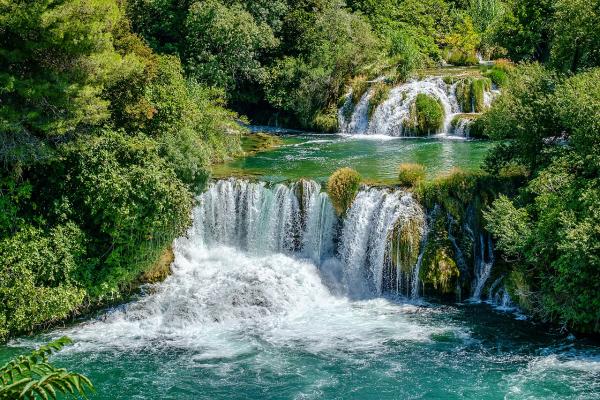
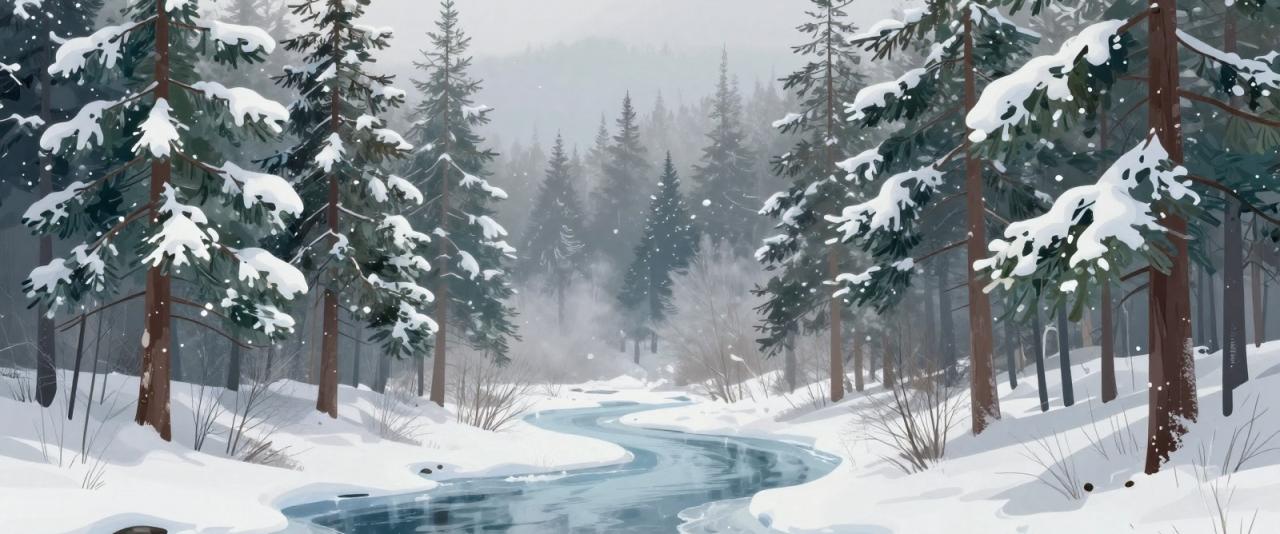
Plitvice Lakes National Park is Croatia's best-known park, and in July and August its boardwalks can feel like a queue. Between December and March the picture changes completely. Visitor numbers drop sharply, the beech and fir forests turn white after snowfall, and in a proper cold spell the smaller waterfalls hang in curtains of ice while the lake edges freeze over.
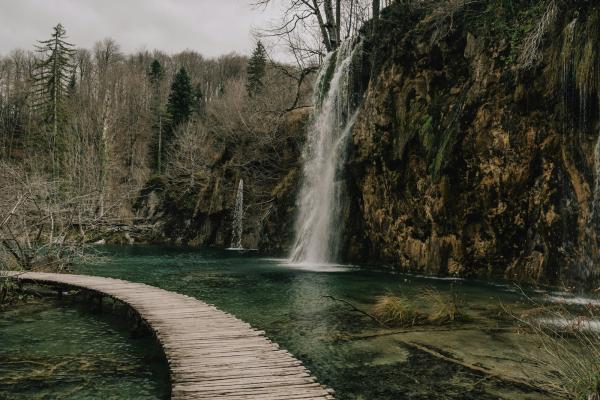
It is worth being realistic about what "frozen" means. The park sits roughly between 400 and 1,300 metres above sea level in the Lika region, and winters are cold and snowy, but the lakes do not stay frozen solid all season. Ice comes and goes with the weather. In a mild week you will see open turquoise water framed by snow; after several nights well below zero you may find iced-over pools and icicle-covered cascades. Both are worth the trip, but if frozen falls are your main goal, keep your plans flexible and watch the forecast.
When the lakes and waterfalls freeze
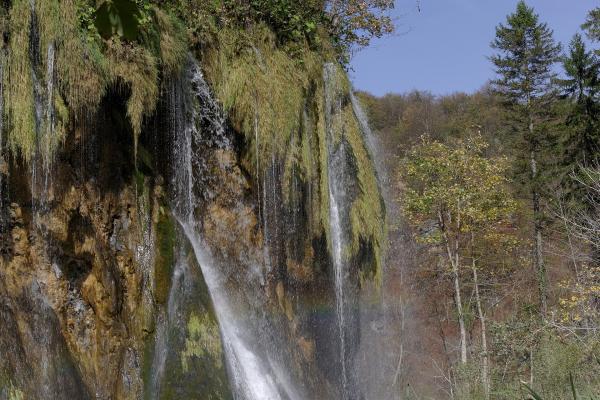
The coldest weeks are usually in January and early February. That is when the best ice formations tend to appear, particularly on the smaller cascades of the Lower Lakes and around the edges of the shallower pools. Veliki Slap, the park's tallest waterfall at about 78 metres, rarely stops completely, but in a hard frost its spray builds up ice on the surrounding rock and vegetation.
Snow can fall from late November into March. Fresh snow gives the classic winter photographs, but it also means some paths may be closed for safety, so the best plan is a flexible day: arrive, check what is open at the ticket office, and walk the routes that are accessible that morning.
What is open in winter
In the low season the park runs a reduced service. Entrance 1, near the Lower Lakes and Veliki Slap, is the usual winter starting point, and the Lower Lakes are generally walkable. The Upper Lakes are often partly or fully closed after heavy snow or when paths ice over.
The electric boats on Lake Kozjak and the panoramic trains run on limited winter timetables, and they can be suspended entirely when there is ice on the lake. If they are not running, you can still walk, but expect to cover the full distance on foot and plan for the short winter daylight. Ticket sales also close earlier in the afternoon than in summer.
Tickets are much cheaper in winter than in peak season. In recent years the November to March adult ticket has been around €10, compared with around €40 in high summer, but prices are reviewed regularly, so check the official park website before you go. The park also publishes current route closures there.
Best winter walks
For a first winter visit, start at Entrance 1 and walk down into the Lower Lakes canyon. The boardwalks run close to the water past Novakovića Brod, Kaluđerovac and Gavanovac, and the viewpoint path above the canyon gives the classic overview of the lakes and Veliki Slap. Allow two to three hours for a relaxed loop including the climb back up to the entrance.
If the Kozjak boats are running and the Upper Lakes are open, you can extend the day with a walk along the upper boardwalks, where the cascades between Galovac and Gradinsko jezero are some of the prettiest in the park. Without the boat, linking the two sections makes for a long day, which is hard to fit into winter daylight.
Staying safe on icy boardwalks
The wooden boardwalks have no railings in most places and become very slippery when wet or frosted. Wear waterproof boots with a good tread, and consider lightweight microspikes, which make a real difference on icy sections. Walk slowly, keep to marked paths, and never step onto frozen lakes: the ice is thin and the water is deep in places.
Dress in layers: a warm base layer, a fleece or wool mid-layer and a waterproof, windproof jacket, plus hat and gloves. Temperatures often stay below freezing all day in January. Batteries drain fast in the cold, so keep your phone or camera spare battery in an inside pocket. Daylight is short, so start early and aim to be back at the entrance well before dusk.
Where to stay and how to get there
The park runs hotels close to Entrance 2, and there are guesthouses in nearby villages such as Rastovača, Mukinje and Korenica, some of which close in winter, so book ahead and confirm. A stay of one night lets you catch early-morning light and return if the weather is poor on your first day.
By car, Plitvice is roughly two hours from Zagreb and a little less from Zadar; winter tyres or chains are required on Croatian roads in snowy conditions. Buses between Zagreb and Zadar or Split stop near the park entrances, though winter timetables are thinner than in summer.