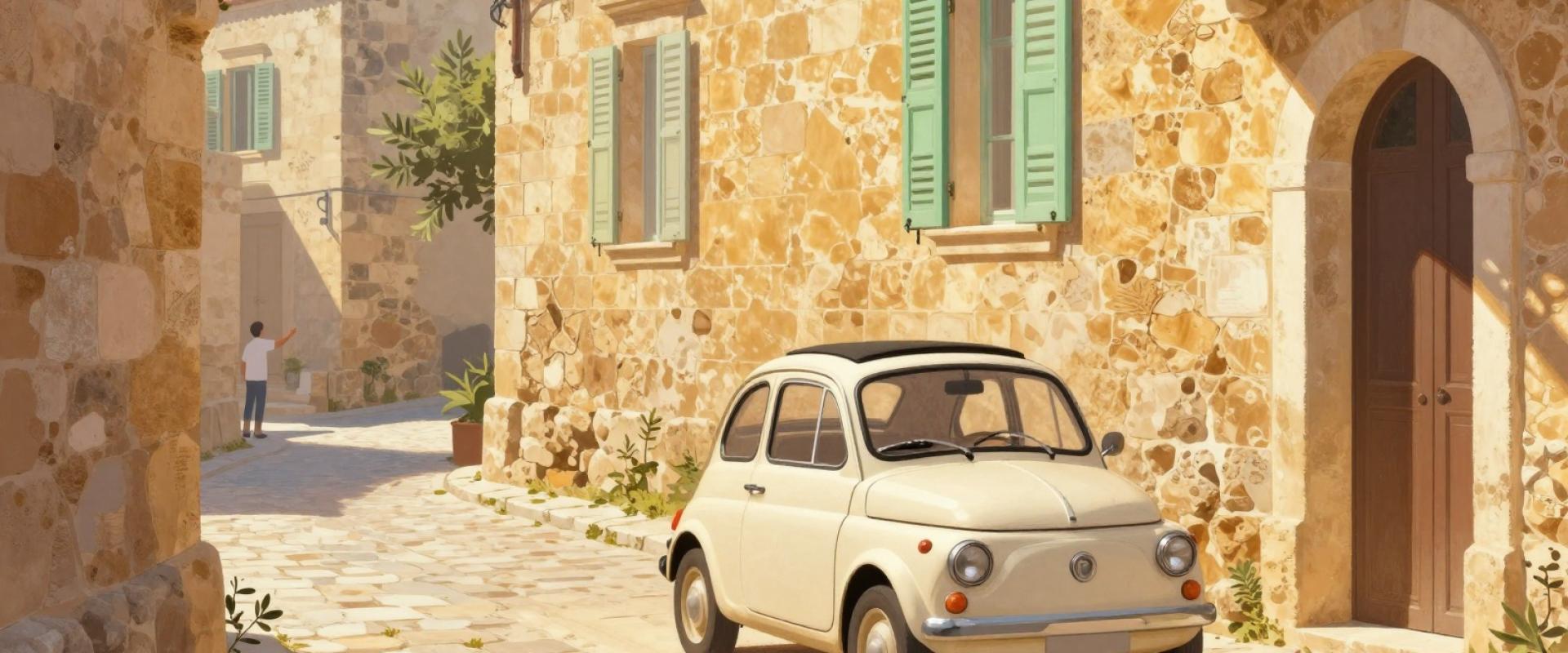
Chasing Adriatic Sunsets in a Cream-Colored Bubble
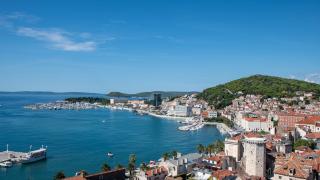
The morning light strikes the limestone pavement of Split’s Diocletian’s Palace with surgical precision. You step out from the cool, shadowed archways into the blinding clarity of a mid-July day. The air is thick, carrying the heavy, intoxicating blend of sea salt, crushed pine needles, and hot asphalt.
A cream-colored Fiat 500 sits waiting in a narrow alley off the Riva promenade. Its rounded fenders gleam under the harsh sun, creating a stark, beautiful contrast against the brutalist concrete of the modern city. This is not merely transportation; it is a rolling artifact of mid-century Italian design history.
Turning the key produces a distinctive, rhythmic thrum that vibrates through the soles of your shoes. The small, thin steering wheel feels surprisingly responsive as you navigate the tight, winding streets. Locals pause, watching the tiny car weave past heavy tourist buses with effortless grace.
Heading south toward Omiš, the coastal road opens up. The Dalmatian islands appear as hazy blue shapes on the horizon. You roll down the windows, letting the warm breeze tangle your hair. The sea below shifts from turquoise to deep indigo with every bend in the road.
By late afternoon, the light turns golden and soft. You park near a secluded cove south of Trogir. The engine ticks as it cools, a familiar sound against the crashing waves. Here, time seems to slow down, matching the leisurely pace of the coast itself.
Renting these cars requires planning. Agencies are few and far between, so booking weeks in advance is essential. Expect to pay a premium for the privilege, but the experience of driving this icon through ancient streets is unmatched. It is less about the destination and more about the journey.
Ignite the vintage Fiat 500 in Split. The engine roars, waking the ancient stone streets. You cruise toward the horizon. The Adriatic sparkles. This retro ride defines the coast. Experience it now.
Navigating Diocletian’s Palace requires a different kind of attention. The labyrinthine streets, carved into Roman stone centuries ago, simply do not accommodate modern traffic, let alone the wide stance of a classic Fiat 500. You will encounter large buses turning these tight corners with little margin for error, so yielding immediately is not just polite—it is essential for survival.
Instead of rushing along the D1 highway, which offers little more than asphalt and exhaust, take the slower coastal route. This detour reveals the jagged beauty of the Dalmatian coast, where olive groves meet the turquoise sea in sudden, breathtaking bursts. The open-air cabin means you feel every cobblestone bump, a tactile reminder that you are moving through living history rather than just passing through it.
A simple coffee stop in Trogir will inevitably take longer than your GPS suggests. Do not fight it. Let the Adriatic sun warm your skin while you watch fishermen mend their nets. This delay is the point. You are not merely transporting yourself; you are immersing yourself in a pace that predates the digital age.
Patience here is not a virtue but a necessity. The rewards are found in the details: the smell of salt and basil, the sound of waves against ancient walls, the way the light changes on the stone facades. Drive slowly. Look around. Breathe deeply. The journey is the destination.
The narrow streets of Split’s Diocletian’s Palace demand absolute focus. You must yield to large buses immediately. These ancient lanes were not built for modern traffic, let alone a vintage Fiat 500. Avoid the D1 highway entirely; the scenic coastal route offers superior views. Slow down. Embrace the exposure. The open-air cabin means you feel every bump. This pace reveals the coast’s true character. A simple coffee in Trogir takes longer than expected. That is the point. You are not just driving; you are experiencing history. Stop often. Look around. Let the Adriatic sun warm your face. This journey requires patience. It rewards curiosity. Drive slowly. Breathe deeply. Enjoy the ride.
Golden Hour on the Open Road
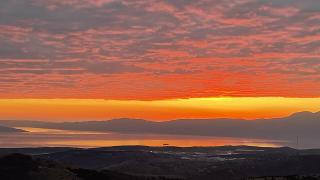
The Adriatic sun sinks low, casting a warm amber glow across the limestone cliffs of Fažana. Against these muted earth tones, your striking red vintage Fiat 500 stands out as a bold icon. This specific contrast defines the unique Dalmatian aesthetic.
Golden rays catch the chrome details of the car while the sea turns to liquid gold. It is a photographer’s dream. You might notice the light highlighting the texture of ancient stone walls nearby.
Stop near the harbor to capture the silhouette of fishing boats against the fading sky. The light here feels soft yet vibrant. This moment is worth every mile driven to reach this spot.
Capture the scene before the blue hour arrives. Preserving the magic of the coast in your lens ensures the memory lasts long after the engine cools.
The sun dips low over the Adriatic, painting the limestone cliffs of Fažana in warm amber light. Your vintage Fiat 500, a striking red icon against the muted earth tones, becomes part of the landscape itself. This specific contrast defines the Dalmatian aesthetic. You will notice how the golden rays catch the chrome details of the car while the sea turns to liquid gold. It is a photographer’s dream. Stop near the harbor to capture the silhouette of the fishing boats against the fading sky. The light here is unique, soft yet vibrant, highlighting the texture of the ancient stone walls. This moment is worth every mile driven. Capture the scene before the blue hour arrives, preserving the magic of the coast in your lens.
Where to Rent Your Time Machine
Specialized agencies in Split and Dubrovnik are the primary hubs for these chrome-detailed classics, though claiming they are the only options might be an overstatement. You should secure your reservation at least six months in advance, as availability evaporates quickly during the peak of July. Daily rates typically start around €150, excluding insurance, which is a significant investment for such a specific experience.
Before you hand over your card, meticulously check the soft top seals and tire tread; even a minor leak can ruin the coastal breeze. I once watched a pristine 500 stall on the Pelješac bridge because the owner ignored a neglected carburetor, a costly mistake you can easily avoid. Always verify that the spare key works and confirm whether the rental includes a Croatian vignette if your route takes you inland.
These engines demand a gentle touch rather than aggressive acceleration. The Adriatic wind will sing through your hair only if you prepare properly, so do not skip the pre-trip checklist. Your vintage adventure depends on these small details, turning a simple rental into a genuine journey back in time.
Split and Dubrovnik host the only specialized agencies offering these chrome-detailed beauties. Book six months ahead; availability vanishes fast in July. Expect to pay €150 daily plus insurance. Before signing, inspect the soft top seals and tire tread closely. A minor leak ruins the coastal breeze. I once saw a pristine 500 stall on the Pelješac bridge due to a neglected carburetor. Verify the spare key works. Confirm the rental includes a Croatian vignette if traveling inland. Drive slow. These engines demand respect. The Adriatic wind will sing through your hair if you prepare properly. Don't skip the pre-trip checklist. Your vintage adventure depends on it.
Your Next Gear Shift
The air inside the cabin smells faintly of old leather and gasoline, a scent that instantly transports you back to a simpler era. You grip the thin, wooden-rimmed steering wheel, feeling the road’s imperfections transmit directly through your palms. This mechanical connection is rare in modern vehicles, where everything is smoothed over by layers of synthetic insulation.
Salt spray mists the windshield as you navigate the winding roads above Split. The engine whines in a high, eager pitch, demanding attention rather than offering passive assistance. You shift gears manually, matching your rhythm to the car’s mechanical heartbeat. The coast unfolds in layers of limestone and sea, each curve revealing a new perspective on the Dalmatian landscape.
Zadar’s ancient walls rise from the water, their stone surfaces baked white by centuries of Adriatic sun. You park near the Riva, letting the heat radiate off the car’s faded paint. Locals glance at the compact Italian classic with a mix of curiosity and respect. It is not merely transportation here; it is a statement of intent.
The journey does not end at the city limits. You merge onto the coastal highway, leaving the crowded tourist hubs behind. The road stretches toward Dubrovnik, a ribbon of asphalt hugging the rugged shoreline. Wind rushes through the open windows, carrying the scent of pine and salt. You are no longer a spectator but an active participant in the landscape.
This experience cannot be replicated by booking a standard rental or following a rigid itinerary. The value lies in the friction, the noise, and the sheer physical engagement required to keep the vintage machine moving. It is an exercise in presence, forcing you to slow down and observe the details that high-speed travel obscures.
Your next gear shift begins with a single turn of the key. The engine roars to life, vibrating through the floorboards. There is no hesitation, only the immediate push forward into the unknown. The coast is waiting, and it prefers its visitors awake.