







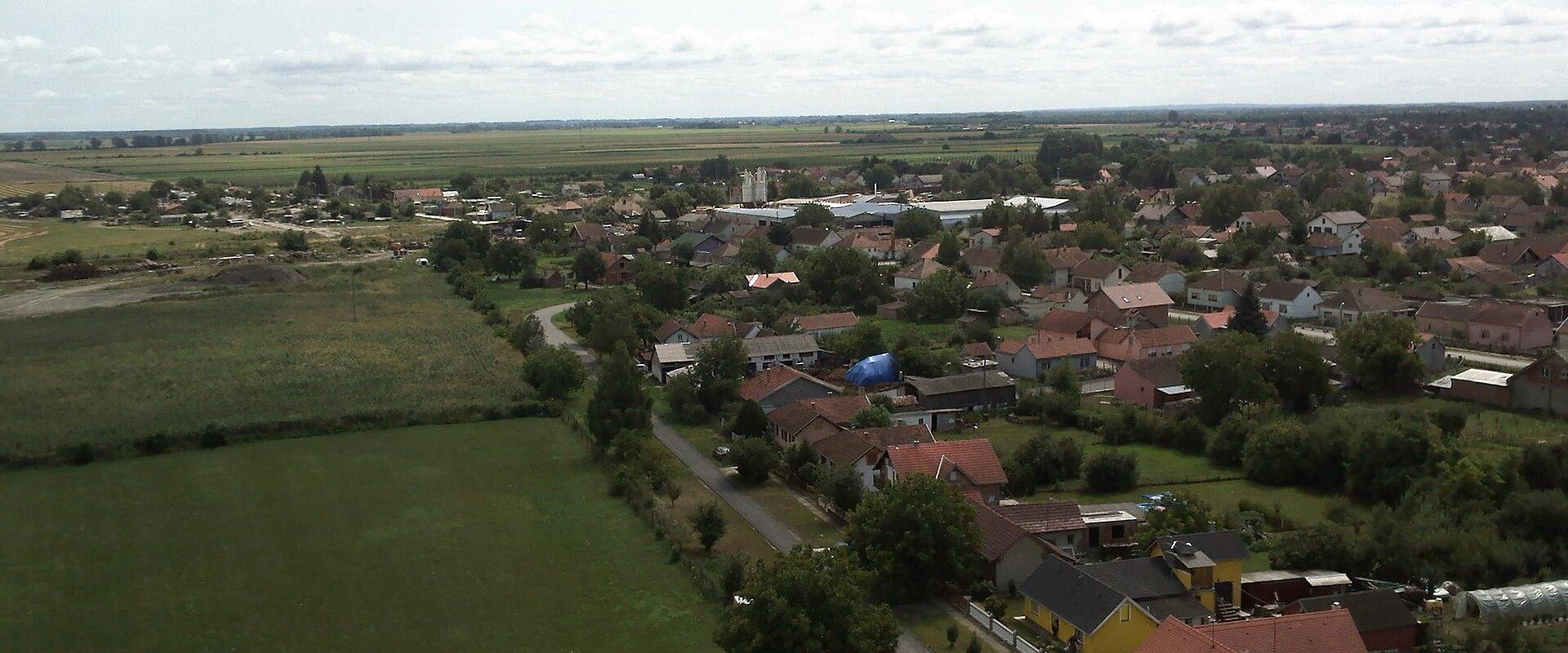
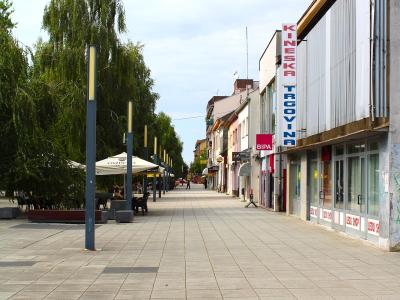
Darda sits at a crossroads of Central Europe, and Europe’s long history of migration is visible here. Its position near the Drava River made it a natural meeting point of peoples and trade routes, and the village has long had a mixed population. Croats, Serbs, Hungarians and Romani have lived side by side, and the effect shows in the local food, music and festivals. The Old Town Square is the main meeting place, with markets, concerts and community events throughout the year, while Ante Starčević Square provides another central gathering point. Two churches are the main sacred buildings: the Church of St. John the Baptist and the Church of the Exaltation of the Holy Cross, also known as the Church of the Raising of the Holy Cross, which reflect the religious diversity and layered history of eastern Croatia.
The best-known historic site is Darda Castle, the former Esterházy estate. The Esterházy family, a prominent Hungarian noble house, owned lands here during the Austro-Hungarian period and built a Baroque residence that gave the village a certain stature. The Esterhazy Palace is remembered in local stories, and what survives today evokes the area's past more than it restores it. Visitors who enjoy old buildings and local history will find that the ruins and the stories attached to them make a good short visit, best combined with a walk through the village.
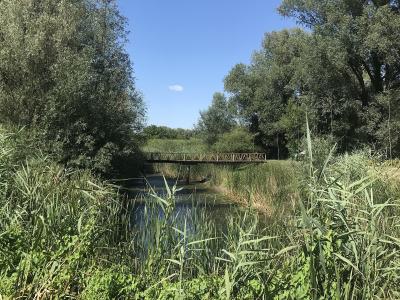
Nature is the second major attraction. The Darda Nature Trail winds through wetlands, meadows and forests that attract many bird species, and wildflowers fill the verges in late spring. Nearby Kopački Rit Nature Park is one of the largest preserved wetlands in Europe, and boat trips and guided walks there give a close view of herons, eagles, deer and other wildlife. The Drava River offers fishing, kayaking and riverside picnics, and flat cycling routes connect Darda with neighbouring villages and the broader Baranja region. The terrain is gentle, which makes it very friendly to families and casual cyclists.
Cultural traditions show most clearly at the table, and Darda’s kitchens are a strong reason to stay for a meal. Family restaurants and guesthouses in and around Darda serve Baranja specialities such as fish stew cooked in a cauldron, spicy paprika dishes, homemade sausages, noodles and strudel, with regional wines to go with them. Artisans and local producers offer handicrafts, honey and preserves, which make good gifts. The local calendar of festivals and culinary events highlights this heritage, and visitors are usually welcome to join in.
Getting to Darda is straightforward. The village lies about 10 kilometres from Osijek on regional roads, and public buses connect it with nearby towns. Guesthouses, rural homestays and small hotels in Darda and the surrounding area provide enough beds for exploring Baranja and Slavonia, though many visitors choose Osijek and make the short trip out for the day.
May to September is the main season, when the countryside is lush and outdoor activities and festivals are at their best. Early spring and autumn are quieter and good for birdwatching, with migrating flocks crossing the wetlands. Winter is cold and misty but can be rewarding for photographers who enjoy atmospheric landscapes. Darda suits travellers interested in history, nature and rural traditions, and it offers an honest, unpolished view of life in eastern Croatia.
Best time to visit
May to September offers warm weather, lush scenery, and ideal conditions for nature walks, cycling, and exploring Baranja’s cultural and natural attractions.
What to see in Darda
Our picks first.
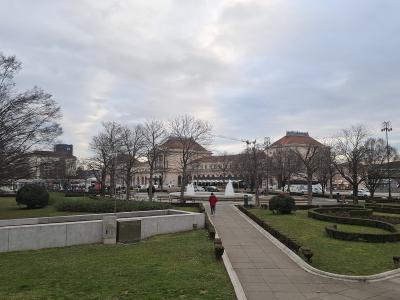
Ante Starčević Square
Isosceles triangle square with historic landmarks
Cultural Experiences · Urban Exploration

Church of the Raising of the Holy Cross
Historic Baroque church with crucifix of guns
History & Heritage · Historic Churches

Esterhazy Palace
18th-century Baroque palace and cultural landmark
From €15 Cultural Experiences · History & Heritage
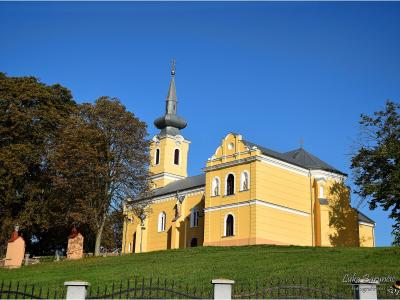
Church of Saint John the Baptist (Crkva sv. Ivana Krstitelja)
15th-century Gothic-Renaissance church with ancient bapti...
Cultural Experiences · History & Heritage
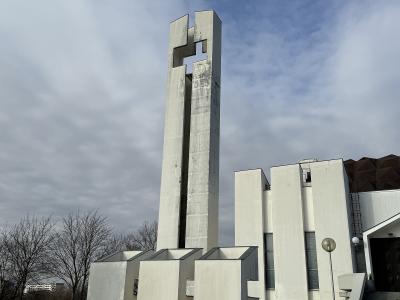
Church of the Exaltation of the Holy Cross (Crkva Uzvišenja Svetog Križa)
Baroque church with older elements
Cultural Experiences
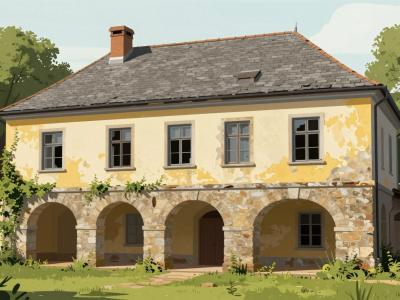
Darda Castle (Dvorac Esterházy)
18th-century Esterházy castle in Darda
History & Heritage · Castles
Darda by interest
The same sights, grouped by what you came for.
- Cultural Experiences
- Ante Starčević Square Esterhazy Palace Church of Saint John the Baptist (Crkva sv. Ivana Krstitelja) Church of the Exaltation of the Holy Cross (Crkva Uzvišenja Svetog Križa)
- History & Heritage
- Church of the Raising of the Holy Cross Esterhazy Palace Church of Saint John the Baptist (Crkva sv. Ivana Krstitelja) Darda Castle (Dvorac Esterházy)
Planning a visit to Darda
Good to know
- Currency
- EUR
- Language
- Croatian
Quick Facts
Book your stay
Questions people ask
More places in Baranja
Baranja
Kopački Rit Nature Park
Lowland wetland between the Drava and Danube
Baranja
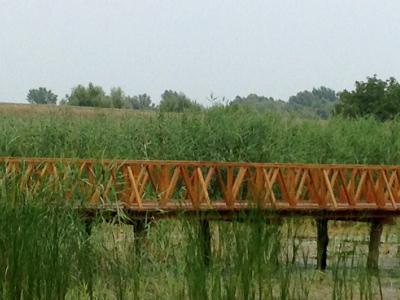
Baranja
Wine region known for fertile lands and nature
Baranja
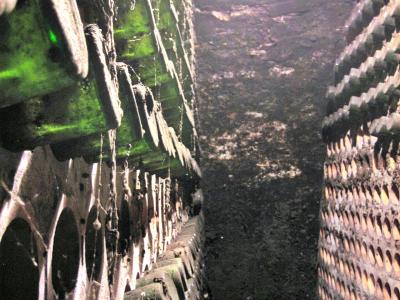
Baranja Wine Road
Scenic wine route through Baranja’s vineyards and villages
Baranja
Beli Manastir
Baranja’s main town with multicultural heritage and wine routes