







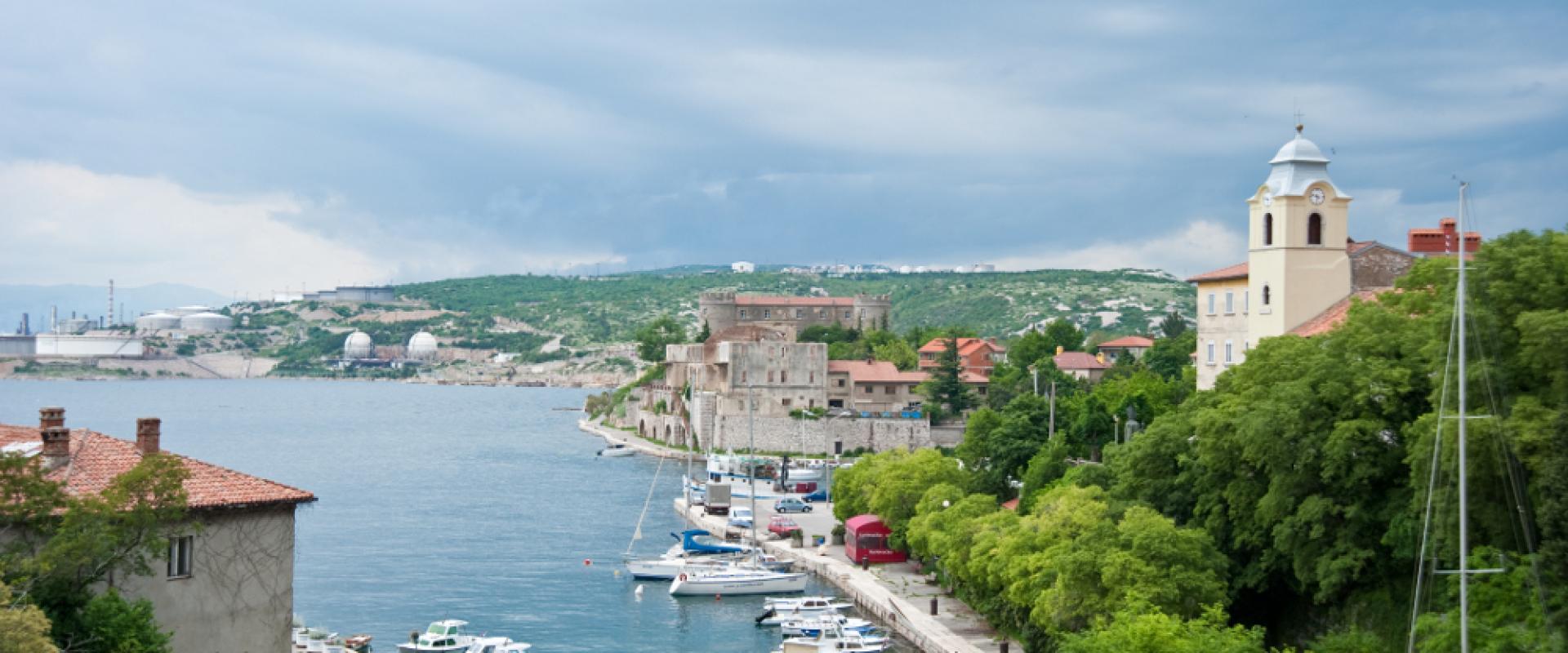
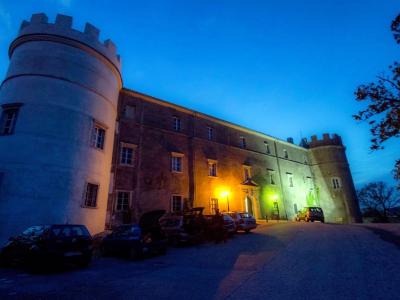
Kraljevica’s history stretches back to the Middle Ages, when it developed as a strategic port and defensive outpost on the Adriatic. The town flourished under the Frankopan and Zrinski noble families, who built two impressive castles that still dominate the landscape. The Old Castle of the Frankopans, which dates from the 16th century, stands on the shore and now hosts cultural events, exhibitions and summer concerts. The newer castle, built in the 17th century by Petar Zrinski, is surrounded by a park and offers panoramic views of the sea and nearby islands. Zrinski was one of the leaders of the conspiracy against the Habsburgs that ended in his execution in 1671, and the castle is a reminder of that tragic story. Later the estate passed to the crown, and the town became a naval station.
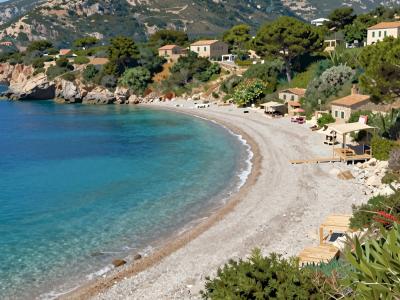
The town’s maritime heritage is reflected in its historic shipyard, one of the oldest on the Adriatic, and its role as a center for shipbuilding and trade. Kraljevica’s harbor is a hub for yachting, fishing and boat tours, with regular excursions to the islands of Krk, Cres and Rab. The waterfront promenade is lined with cafes, restaurants and shops, while the nearby Oštro Beach and other pebbly coves offer swimming, sunbathing and water sports in clear, shallow water. Oštro Beach lies close to the entrance to Bakar Bay and is a scenic retreat with views toward Krk.
Cultural highlights include the Church of St. Nicholas, patron of sailors, and the Church of St. Catherine, both with beautiful altars and historic objects. The town’s old streets and squares are dotted with traditional houses, monuments and public art, which creates a welcoming atmosphere for visitors. Local festivals, such as the Kraljevica Summer Nights and seafood feasts, celebrate the region’s music, cuisine and maritime traditions. The Frankopan Castle, standing on its sea cliffs, is the best place to see the sunset over the bay.
Outdoor enthusiasts will find plenty to enjoy in and around Kraljevica. Hiking and cycling trails wind through the surrounding hills and forests, offering scenic routes and viewpoints over the Kvarner Bay. The town’s location makes it a good base for exploring the Učka Nature Park, the Velebit mountains and the islands of the northern Adriatic. Day trips to Rijeka, Opatija and the Istrian peninsula are easily arranged by car or boat. The Krk Bridge, a long concrete arch that starts close to the town, is a landmark in itself and gives access to the island of Krk, with its beaches and old towns, in a few minutes.
Seafood is a speciality. Restaurants serve scampi, grilled fish, shellfish and risotto, and local wine and olive oil add to the meal. Evenings along the promenade are relaxed, with families walking and sailors returning to the marina.
Getting to Kraljevica is straightforward. The town is accessible by road from Rijeka, Zagreb and other regional centers, with well-maintained highways and regular bus connections. Parking is available near the harbor and beaches, and the compact town center is best explored on foot. Accommodation options range from hotels and guesthouses to private apartments and campsites, catering to all budgets and preferences.
The best time to visit Kraljevica is from May to September, when the weather is warm, the sea is inviting and the town’s beaches, festivals and outdoor activities are in full swing. Spring and early autumn offer mild temperatures, fewer crowds and beautiful scenery, suited to sightseeing, hiking and the relaxed pace of coastal life. Whether you seek history, adventure or a taste of authentic Croatia, Kraljevica offers a quiet and rewarding stay on the Adriatic.
Best time to visit
May to September offers warm weather, inviting sea, and lively festivals; spring and early autumn are ideal for sightseeing, hiking, and relaxed coastal stays.
What to see in Kraljevica
Our picks first.
Kraljevica by interest
The same sights, grouped by what you came for.
Did you know?
Checked facts about Kraljevica, each with its source.
-
Name Origin
Its Italian Name Meant Royal Port
Settled in the 15th century, the town was first called Portorium, a 'customs place', a name later altered to Porto Re, Italian for 'Royal Port'. The Croatian name Kraljevica has been in use since the early 1600s.
Source: Flags of the World
Planning a visit to Kraljevica
Good to know
- Currency
- EUR
- Language
- Croatian
Quick Facts
Book your stay
Questions people ask
More places in Kvarner
Kvarner
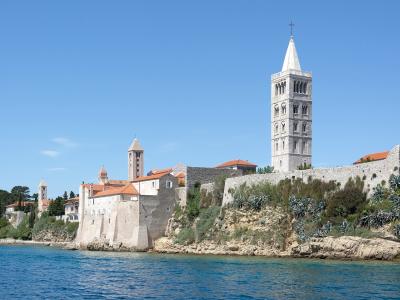
Rab Island
Sandy beaches, medieval towers, and vibrant island life
Kvarner
Opatija
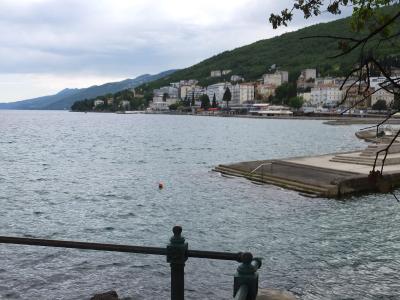
Elegant Adriatic resort with historic villas and seaside promenades
Kvarner
Cres Island
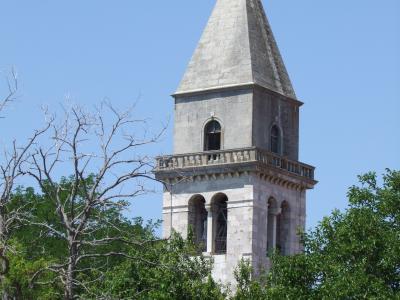
Wildlife-rich Adriatic island with ancient hilltop towns
Kvarner
Krk
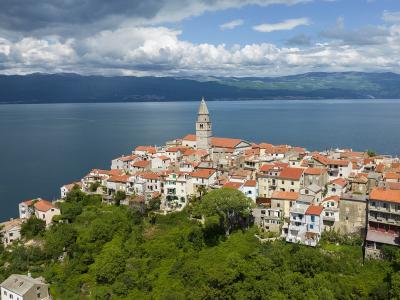
Largest Croatian island connected to mainland by bridge