







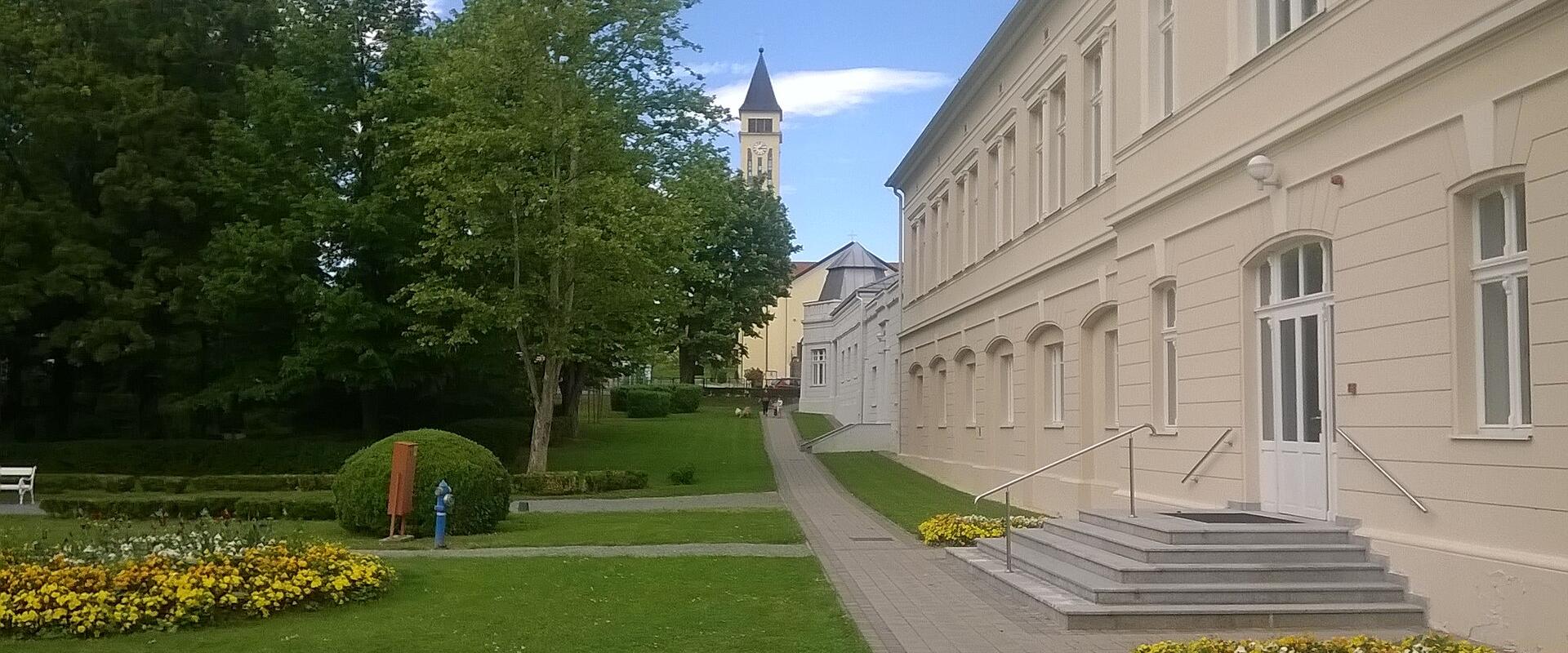
Lipik’s history as a spa town dates back to the late 18th and early 19th centuries, when its thermal springs were first developed for therapeutic use. The town quickly gained a reputation as a fashionable retreat for the Austro-Hungarian elite, who built elegant bathhouses, villas and promenades that still define Lipik’s architectural landscape. The Marble Baths, Mramorne Kupke, and the Kursalon are iconic examples of this era, with ornate facades and interiors that recall the grandeur of Lipik’s golden age. In 1991 the town was heavily bombed and many historic buildings were damaged or destroyed, and the recovery that followed has been slow but visible, with the park and several villas restored.
The center of Lipik is its large park, a beautifully landscaped green space with rare trees, flowerbeds and walking paths. The park is home to the Church of St. John the Baptist and offers a calm setting for relaxation and leisurely strolls. Old plane trees and ginkgos, planted in the 19th century, give shade, and the benches are always occupied on summer afternoons. The town’s spa complex continues to offer a range of wellness treatments, from mineral baths and massages to modern therapies, drawing visitors who seek relief from stress and various ailments. The water, which emerges at a high temperature, is rich in minerals, and it is also bottled and sold across the country.
A unique attraction in Lipik is the State Stud Farm Lipik, the Državna Ergela Lipik, established in the 19th century and famous for breeding Lipizzaner horses. Visitors can tour the stables, learn about the history of the breed and often enjoy carriage rides or horseback riding. The stud farm is a symbol of Lipik’s equestrian tradition and plays a central role in local festivals and events. The horses are born dark and turn white with age, which surprises many visitors, and the foals in spring are a favorite sight. The Lipizzaner Stables and the stud farm are open to visitors on certain days, and it is best to book in advance.
Lipik’s cultural life is enriched by concerts, exhibitions and community gatherings held in historic venues such as the Kursalon and local museums. An 18th-century wooden chapel, one of the few surviving wooden churches in the area, adds a picturesque touch. The town’s culinary scene features traditional Slavonian dishes, local wines and homemade pastries, best enjoyed in family-run restaurants and cafes. Outdoor enthusiasts will find plenty to explore in the surrounding countryside, with hiking and cycling trails leading into the Psunj mountains and nearby forests. The area’s natural beauty is especially striking in spring and autumn, when the landscape is awash with color.
A short visit to Lipik fits well into a longer journey. Cernik, Nova Gradiška and Pakrac are all close, and Požega, with its Baroque square, is within an hour. Many people stop for a walk in the park and a visit to the stables on the way between Zagreb and eastern Croatia.
Getting to Lipik is straightforward. The town is accessible by road and rail, with regular trains and buses connecting it to Zagreb, Požega and other regional centers. Ample parking is available for those arriving by car. Accommodation options range from spa hotels and guesthouses to rural lodges and private apartments, catering to a variety of preferences and budgets.
The best time to visit Lipik is from mid-June to mid-September, when the weather is warm and the town’s parks and outdoor attractions are at their most vibrant. Spring and early autumn also offer mild temperatures and beautiful scenery, suited to wellness treatments, sightseeing and outdoor activities. Whether you seek relaxation, cultural discovery or active adventures, Lipik offers a restful and rewarding stay in Slavonia, a Slavonian spa with a long tradition.
Best time to visit
Mid-June to mid-September offers warm weather, lush parks, and ideal conditions for spa visits, horse farm tours, and outdoor activities.
What to see in Lipik
Our picks first.
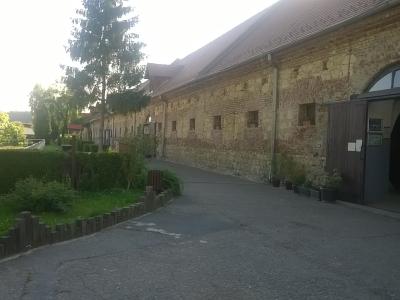
Lipizzaner Stud Farm
Historic Lipizzaner stud farm breeding rare horses
Cultural Experiences
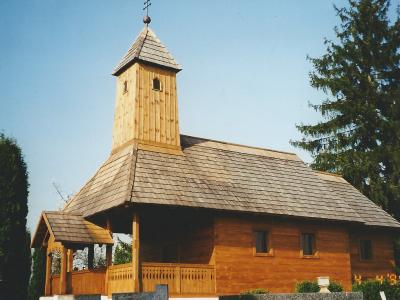
18th-century Wooden Chapel
18th-century wooden chapel, rare Slavonian heritage
History & Heritage · Historic Churches

Lipik Spa Park
Historic spa park with healing springs and Lipizzaner her...
Activities & Adventure
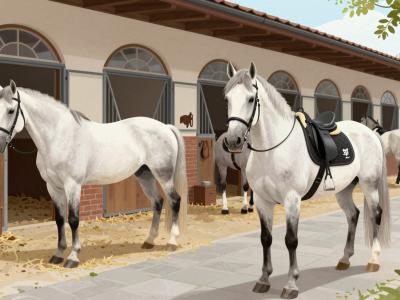
Lipizzaner Stables
Historic Lipizzaner stud farm with 300+ horses
Cultural Experiences
Lipik by interest
The same sights, grouped by what you came for.
Did you know?
Checked facts about Lipik, each with its source.
-
History
Lipik's Lipizzaner Stud Dates Back to 1843
Lipik's stud farm began in 1843, when Count Izidor Janković built the first stables, and became a noted centre for breeding Lipizzaner horses. The horses were taken away during the war in 1991 and only returned to their home stables in 2007.
Source: eMajstor.hr – Izlet u Lipik
Planning a visit to Lipik
Good to know
- Currency
- EUR
- Language
- Croatian
Quick Facts
Book your stay
Questions people ask
More places in Slavonia
Slavonia
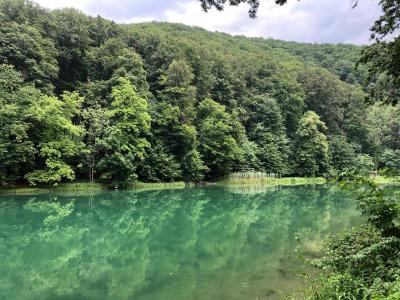
Papuk Nature Park
UNESCO Geopark with forests, waterfalls, and medieval ruins
Slavonia
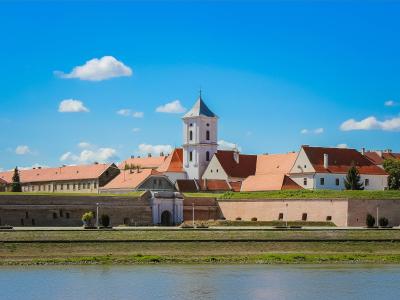
Osijek
Slavonia’s river city with baroque fortress and vibrant culture
Slavonia
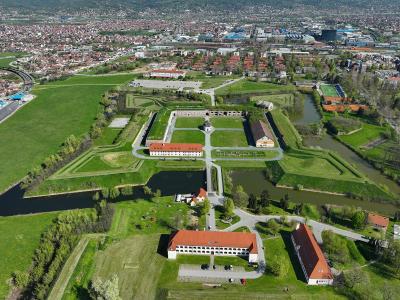
Slavonski Brod
Sava riverside city with fortress, parks, and vibrant culture
Slavonia
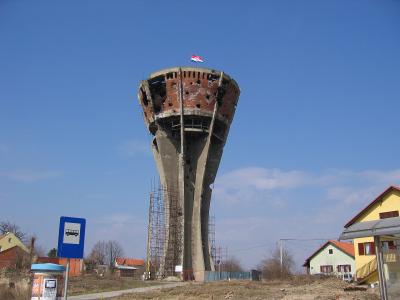
Vukovar
Hero City on the Danube with memorials and museums