







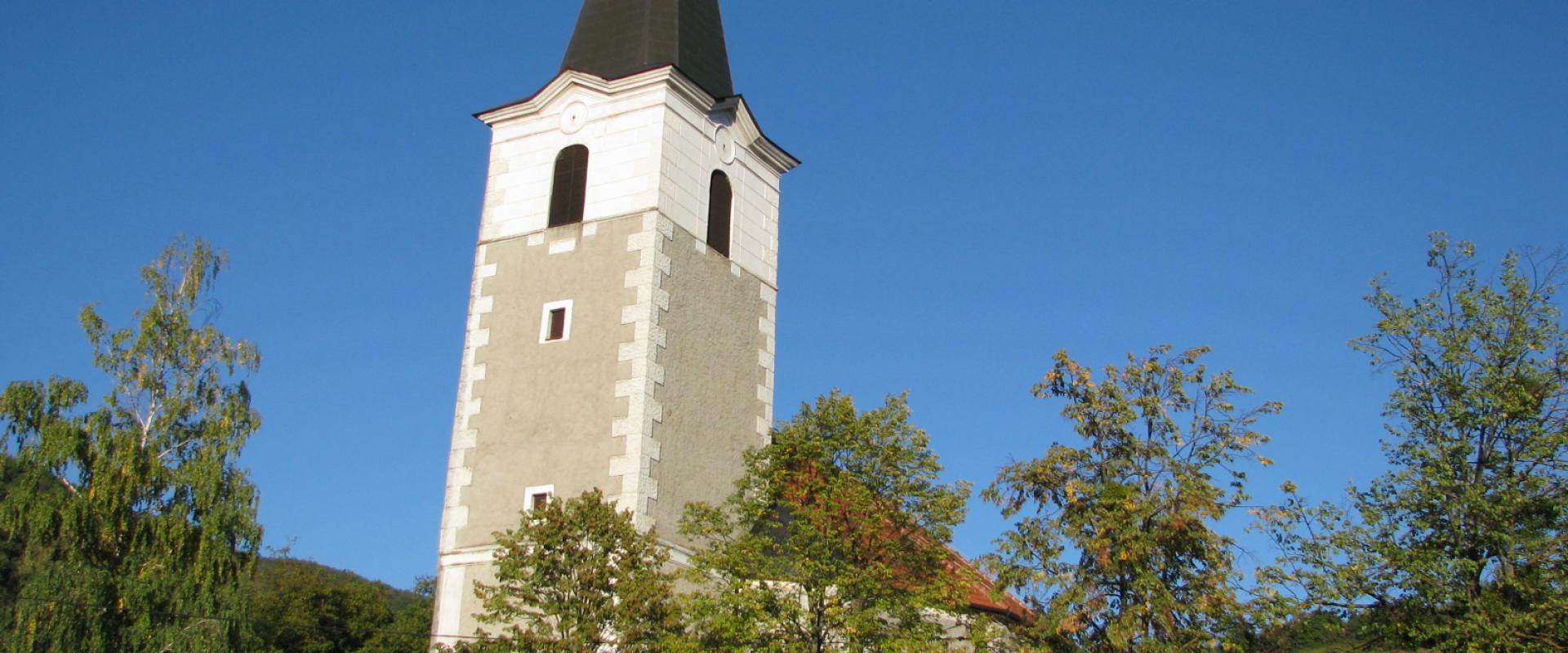
Lobor’s history reaches back to the Middle Ages, when it developed as a rural settlement in the fertile valleys of Zagorje. Under the patronage of Croatian nobles, the village became a modest centre for agriculture, crafts and trade, and the layout of its lanes and farmsteads still reflects that past. Farmhouses stand a little apart from each other on the slopes, each with its own orchard, woodshed and vegetable garden, a pattern that is typical for the hills of Zagorje. The Church of the Assumption of the Blessed Virgin Mary is the best-known building, a Baroque church that anchors religious celebrations and community gatherings throughout the year. The Church of St. Anne and a number of small chapels scattered through the countryside add to the list of sacred sites, and they make a good short walking route for visitors who enjoy quiet interiors and old altars. Bells ring on feast days, and on Sundays the churchyards fill with families in their best clothes.
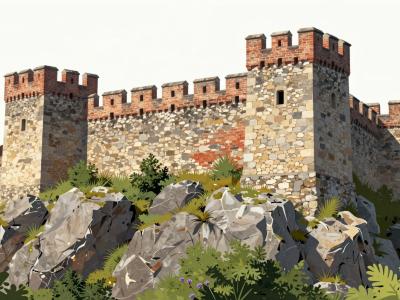
The ruins of Lobor Castle, known locally as Ruševine dvorca Lobor, are a quiet and atmospheric place to visit. Little remains of the walls, but the setting among old trees on the hillside gives a feeling of the estate that once governed life in the district. Local accounts describe them as a relic of more recent wartime history, and visits are best arranged with a local contact who can explain what is known about them. These lesser-known sites reward visitors who prefer exploring a place slowly rather than ticking off famous sights. Anyone who stays a couple of nights will soon notice how generous the locals are with directions, tips and homemade brandy.
Hills and forests around the village are crossed by walking and cycling routes for all levels. Gentle slopes and open views make these paths well suited to family outings, photography and birdwatching, and the vineyards on south-facing slopes provide extra colour in late summer. Day trips by car or bicycle can reach Trakošćan Castle, the Krapina Neanderthal Museum and the thermal spas of Krapinske Toplice, so Lobor makes a convenient base for a few days in the region.
Cultural life in Lobor follows the rhythm of the seasons. Festivals, concerts and community events celebrate local music, cooking and traditions, usually with long tables set up outdoors. The village restaurants and guesthouses serve hearty Zagorje dishes, such as soups, roast meats, homemade bread and pastries, which are best enjoyed with a view over the hills or vineyards. Local markets and food festivals showcase the flavours of the region, and wine from small cellars is easy to find.
Getting to Lobor is straightforward. The village is accessible by road from Krapina, Zagreb and other regional centres, with public bus connections between nearby towns. Accommodation includes guesthouses, rural homestays and small hotels, which provide a comfortable base for visitors who want a quiet stay away from the larger towns.
Mid June to early September is the warmest season, with long days, lush countryside and a full programme of local events. Spring and early autumn offer mild temperatures and beautiful scenery, which suits sightseeing, hiking and the slow pace of rural life, and winter has its own quiet charm when frost covers the hills and the church bells carry across the valley. Whether you are interested in history, nature or authentic Croatian culture, Lobor offers a modest but memorable stay in Zagorje.
Best time to visit
Mid June to early September offers warm weather, lush scenery, and ideal conditions for hiking, sightseeing, and enjoying local festivals and outdoor activities.
What to see in Lobor
Our picks first.
Lobor by interest
The same sights, grouped by what you came for.
Planning a visit to Lobor
Good to know
- Currency
- EUR
- Language
- Croatian
Quick Facts
Book your stay
Questions people ask
More places in Zagorje
Zagorje
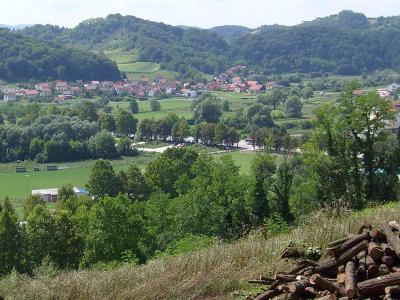
Krapinske Toplice
Zagorje spa village with thermal springs and wellness resorts
Zagorje
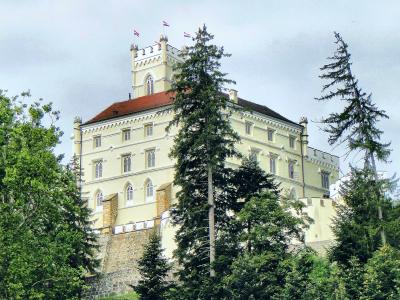
Trakošćan
Fairytale castle village amid forests and lakes
Zagorje
Marija Bistrica
Croatia’s largest Marian shrine in scenic Zagorje hills

Zagorje
Krapina
Neanderthal discovery town with museums and Zagorje hills