







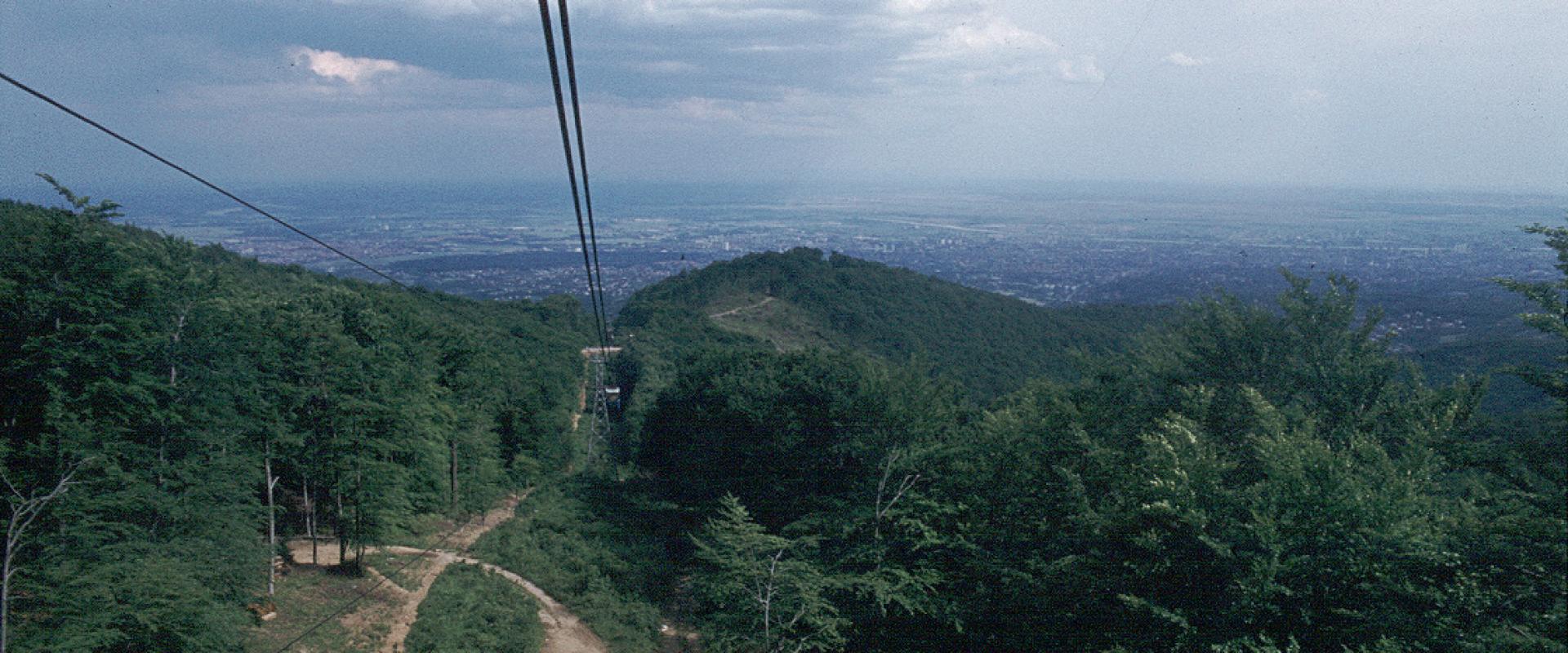
Medvednica’s history is intertwined with the development of Zagreb and the surrounding region. The mountain’s name, meaning Bear Mountain, reflects its wild past, when bears and other large mammals roamed its slopes. Over the centuries Medvednica served as a natural barrier, a source of timber and minerals and a place of refuge. The medieval Medvedgrad Fortress, built in the 13th century to defend against Mongol invasions, is a reminder of the mountain’s strategic importance. After the Mongols withdrew from Croatia in 1242, the bishop of Zagreb ordered a stronghold on the southern slope to protect the city. Today the fortress is a major attraction, offering sweeping views and hosting cultural events, and an altar of the homeland near the entrance is a national memorial.
The center of Medvednica is its extensive network of hiking and cycling trails, which wind through beech, oak and fir forests. Trails range from gentle walks suitable for families to challenging ascents for experienced hikers. The most popular route leads to Sljeme, the mountain’s summit at 1,035 meters, where visitors are rewarded with panoramic views and several mountain lodges serving traditional Croatian fare. The summit, with its television tower, can be reached on foot, by bicycle or by road. The Puntijarka mountain hut, officially named after Ivan Pačkovski, is a beloved destination for hikers, with a terrace and simple dishes such as bean soup and sausages. In winter, Sljeme becomes a ski resort, with slopes and lifts catering to skiers and snowboarders of all levels, and it has hosted international races.
Medvednica is rich in natural wonders. The Veternica Cave, one of Croatia’s longest, offers guided tours through its mysterious chambers and underground streams, and it is also an important habitat for bats. The cave is cool all year, and visitors should wear warm clothes and sturdy shoes. The Zrinski Mine, a former silver mine, gives insight into the region’s mining heritage, and its tunnels are used for exhibitions and educational visits. Educational trails and information centres introduce visitors to the mountain’s flora, fauna and geology, which makes Medvednica a favorite for school groups and nature enthusiasts.
Cultural and historical sites abound. In addition to Medvedgrad, visitors can explore old chapels, hermitages and remnants of medieval settlements. The mountain is also home to several mountain huts, called planinarski dom, where hikers can rest, enjoy local dishes and experience the warm hospitality of the region. The Pauline monastery at Remete is on the lower slopes, and small villages with wooden houses and orchards are scattered around the lower parts.
Getting to Medvednica is easy from Zagreb. Public buses and trams connect the city to trailheads at the mountain’s base, and a road leads to Sljeme’s summit. Parking is available at various points, and the area is well signposted. Guided tours, cycling rentals and organized hikes are available for those who want a structured experience, and many Zagreb residents go up on weekends with a picnic.
The best time to visit Medvednica is from May to June and September to October, when the weather is mild, the forests are vibrant and the trails are less crowded. Summer offers cooler temperatures than the city, which makes it good for hiking, while winter attracts skiers and snow lovers. Spring and autumn are particularly beautiful, with wildflowers and colorful foliage. Whether you seek outdoor adventure, cultural exploration or a peaceful retreat in nature, Medvednica is Zagreb’s green refuge.
Best time to visit
May to June and September to October offer mild weather, vibrant forests, and fewer crowds; winter is ideal for skiing and snow activities on Sljeme.
What to see in Medvednica
Our picks first.
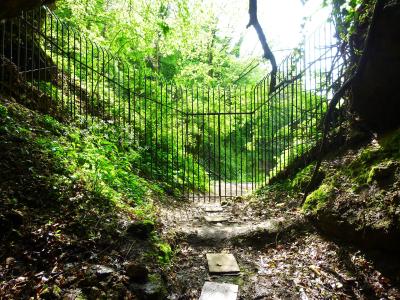
Veternica Cave
Extensive cave with fossils, bats, and Neanderthal history
Natural Wonders · Caves
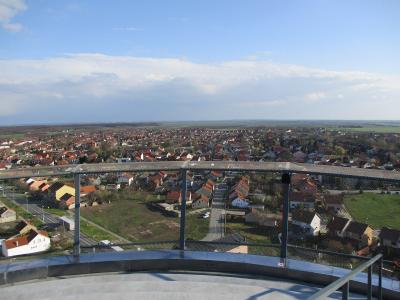
Sljeme Summit and TV Tower
Tallest tower in Croatia with panoramic views
Activities & Adventure · Natural Wonders
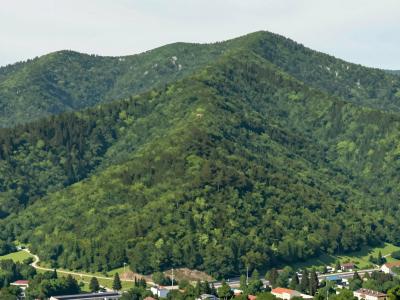
Medvednica Mountain
Mountain nature park with trails and historic sites
Activities & Adventure · Natural Wonders
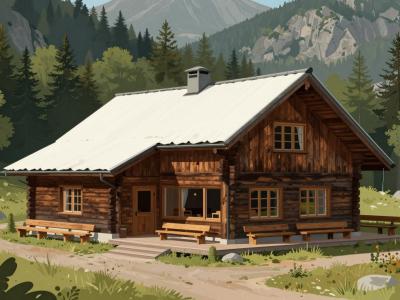
Puntijarka Mountain Hut
Mountain hut at 957m with homemade meals
Activities & Adventure · Natural Wonders
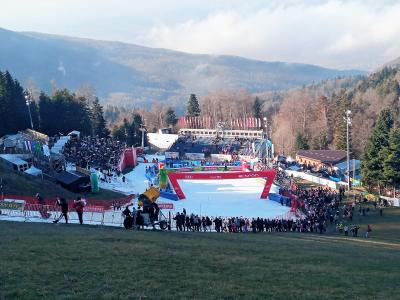
Sljeme Ski Resort
Skiing and hiking on Medvednica’s scenic slopes
Activities & Adventure · Skiing
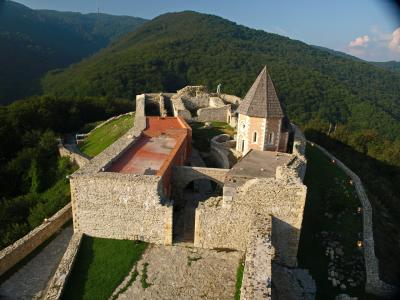
Medvedgrad Castle
Medieval fortress atop Medvednica mountain
History & Heritage · Urban Exploration
Medvednica by interest
The same sights, grouped by what you came for.
Did you know?
Checked facts about Medvednica, each with its source.
-
Legend
Legend Says the Black Queen Haunts Medvedgrad
Legend links Barbara of Celje, the 'Black Queen', to Medvedgrad fortress on Medvednica: she is said to have sold her soul to the devil to defend the fort, and to have been cursed to guard her treasure on the mountain's slopes. Historians find no evidence she ever lived there.
Source: Zagreb Tourist Board – Infamous ruler of the mountain
Planning a visit to Medvednica
Good to know
- Currency
- EUR
- Language
- Croatian
Quick Facts
Book your stay
Questions people ask
More places in Central Croatia
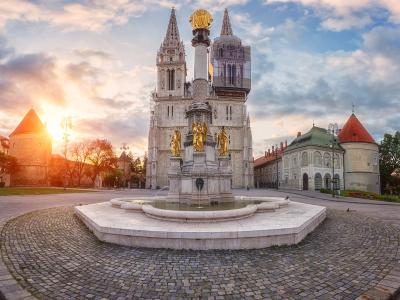
Central Croatia
Zagreb
Croatia’s lively capital with parks, museums, and café culture
Central Croatia
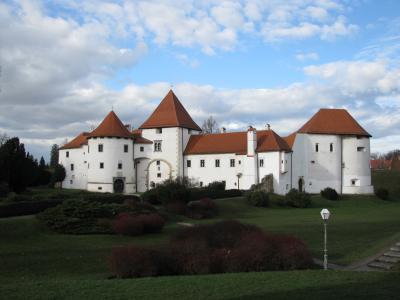
Varaždin
Baroque city with castles, palaces, and vibrant festivals
Central Croatia
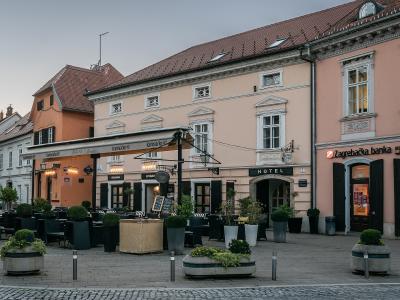
Samobor
Zagorje hill town with castle ruins and pastry traditions
Central Croatia
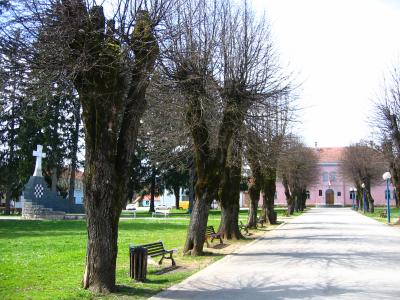
Slunj
Riverside town with waterfalls, mills, and adventure sports