







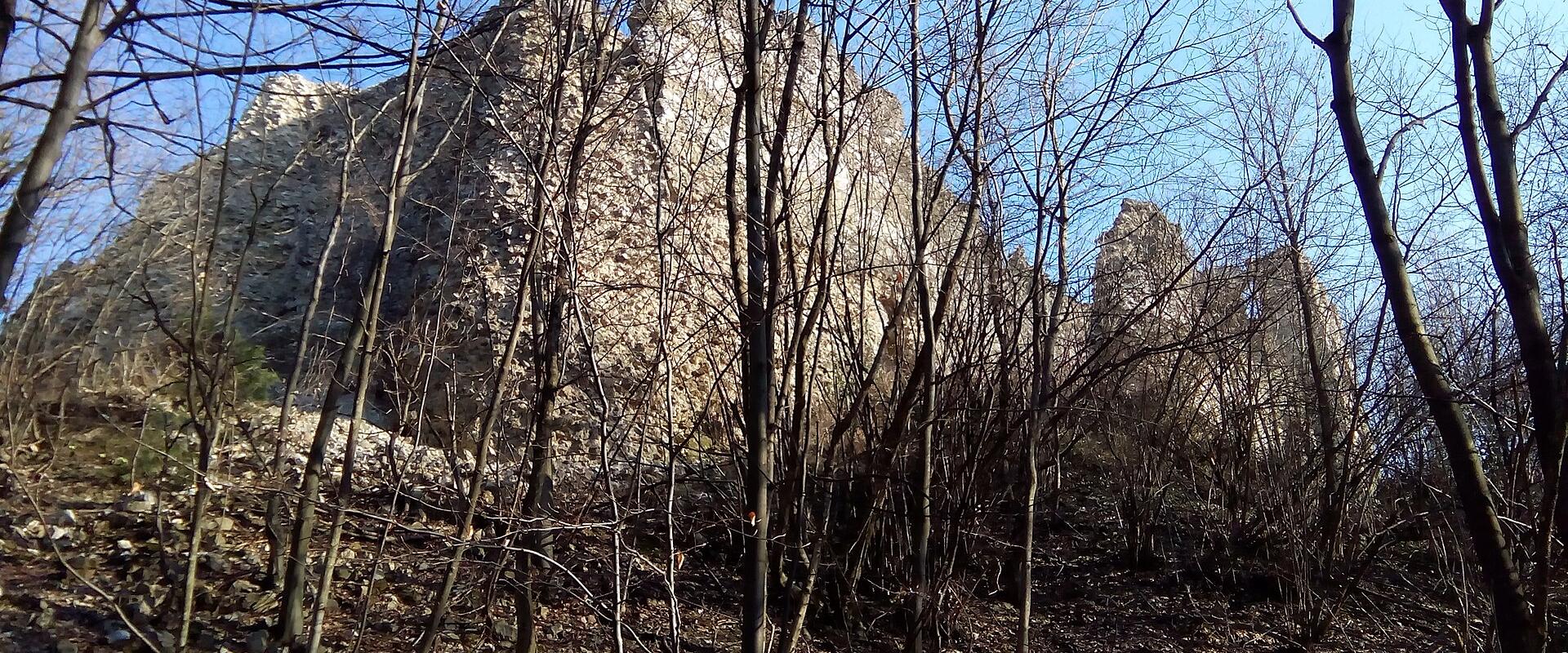
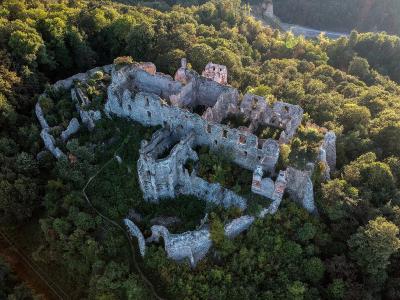
Orahovica’s story begins with a settlement on the foot of Papuk Mountain as a fortified settlement and trading post, and it has always been tied to the slope above it. The ruins of Ružica Castle, also called Ružica Grad, rise on a ridge over the town and are the oldest landmark in the area. Walkers can reach the site on foot, and the effort is rewarded with views over the treetops and across the plain toward the east. Down in town, the Prandau-Normann Castle recalls the later period when the noble family of that name shaped the estate. The building still dominates its surroundings, and it is used for exhibitions and cultural events, with a museum collection inside. Around it the old streets hold churches, small squares and houses that reflect several centuries of change. One of the quieter places to visit is the Shrine of St. Anna, another stop for those who like to visit local chapels and pilgrimage places.
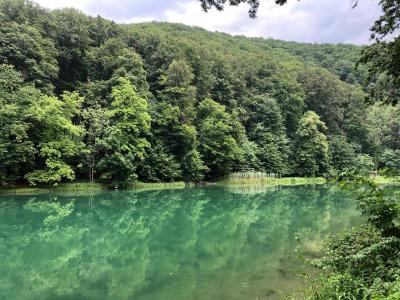
Orahovica Lake lies a short distance from the centre, surrounded by woods and meadows. The shore is laid out for casual recreation: swimming in summer, fishing, cycling around the water, and picnics on the grass. Several marked paths start here and lead uphill into Papuk Nature Park. The park is a UNESCO Global Geopark, a status given for its geology, and the landscape rewards slow exploring with waterfalls, caves, rock formations and long beech forests. The Park Forest Jankovac is one of the most visited corners, a good choice for a half-day walk with birdwatching and photography along the way. Because the geopark is large, it helps to pick one or two walks in advance and ask locally about trail conditions before heading out.
The lower slopes around Orahovica have long been wine country. Vineyards and small cellars dot the hills, and tastings are usually arranged by appointment at family estates and agritourism farms. Slavonian white wines are the regional strength, and they pair easily with the food of the region: smoked meats, kulen sausage, stews with paprika, fresh bread and cakes baked at home. Weekly markets and village shops are good places to buy honey, preserves and other local products. Two smaller attractions round out a day in the area: the Thrillseeker adventure site gives families something active to do, and the HLF Studio & Boutique Fitness offers a modern wellness option in town for those who want a workout after a long drive.
Cultural life follows a seasonal rhythm, with concerts, fairs and church feasts filling the warmer months. Visitors who happen to arrive during one of these events will find the town's squares busy and the mood relaxed.
Getting to Orahovica is easy by road from Slavonski Brod, Osijek and other regional centres, and regional buses connect the town with neighbouring places. There is no need for a long-distance transfer once you arrive, since the lake, castle and trailheads are all close together. Accommodation consists of guesthouses, small hotels and rural lodgings, which are enough for a two- or three-night stay.
Early June to mid-September is the best window for swimming and outdoor events, and the hills are green and warm at that time. Spring brings blossom and cool, clear walking days, while early autumn adds grape harvest activity and softer light on the forest. Winter is quiet, but the castle and the lake path still reward a short visit. Anyone interested in history, wine or low-key time in nature will find Orahovica a worthwhile stop, and a fair introduction to authentic Croatian village life in Slavonia.
Best time to visit
Early June to mid-September offers warm weather, lush scenery, and ideal conditions for swimming, hiking, and enjoying local festivals and outdoor activities.
What to see in Orahovica
Our picks first.
Orahovica by interest
The same sights, grouped by what you came for.
Did you know?
Checked facts about Orahovica, each with its source.
-
Trivia
Orahovica Monastery Was Recorded by the Ottomans in 1579
The Serbian Orthodox Orahovica Monastery in Duzluk, at the foot of Krndija near Orahovica, appears in an Ottoman register of the Sanjak of Požega in 1579 as the 'monastery of Remeta'. Its church of St Nicholas, built in 1592, is the only example of the Morava school of architecture in Slavonia.
Source: Croatian Conservation Institute
Planning a visit to Orahovica
Good to know
- Currency
- EUR
- Language
- Croatian
Quick Facts
Book your stay
Questions people ask
More places in Slavonia
Slavonia
Papuk Nature Park
UNESCO Geopark with forests, waterfalls, and medieval ruins
Slavonia
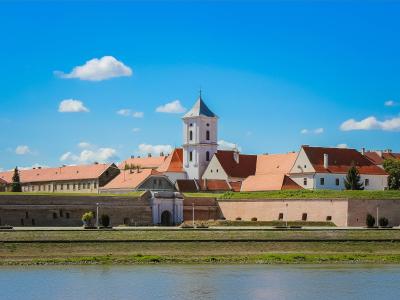
Osijek
Slavonia’s river city with baroque fortress and vibrant culture
Slavonia
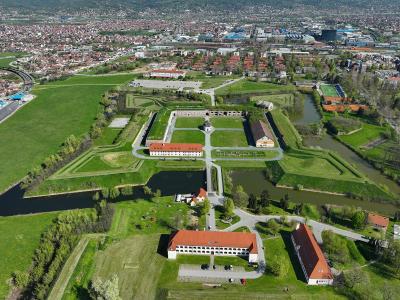
Slavonski Brod
Sava riverside city with fortress, parks, and vibrant culture
Slavonia
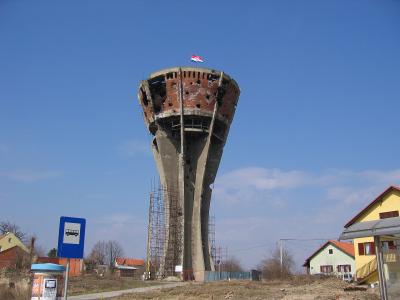
Vukovar
Hero City on the Danube with memorials and museums