







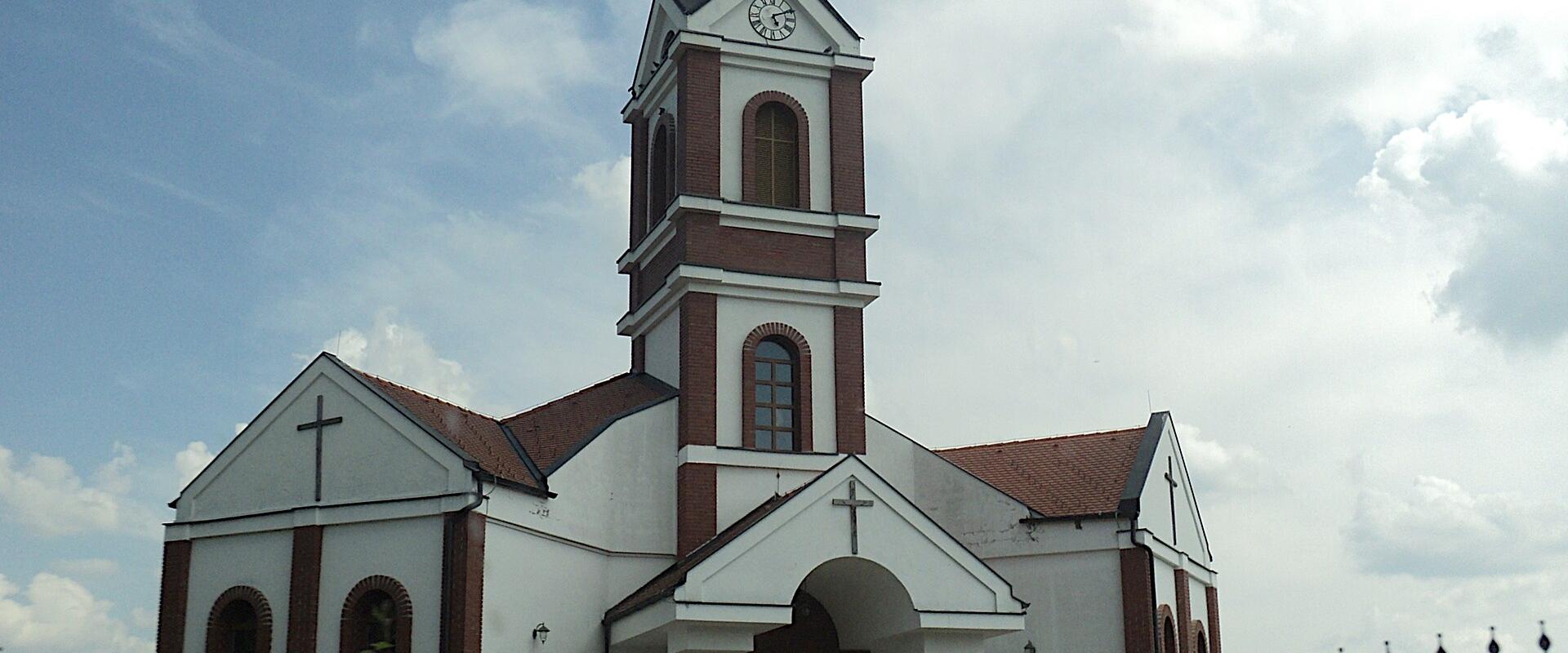
Suza, a charming village in Croatia's Baranja region, is a place that offers a blend of agricultural heritage and natural beauty. With a population of around 636 residents, this quaint village sits at an elevation of 115 meters, providing wide views of the surrounding countryside. The village is part of Osijek-Baranja County and is administratively located within the Kneževi Vinogradi municipality. The history of Suza is deeply tied to the agricultural practices that have shaped the region for centuries. The fertile lands of Baranja have been cultivated since ancient times, and today Suza is known for its vineyards and quality wine production. Like other villages of the area it was resettled after the Ottoman period by people of several nationalities, who brought their customs, which still make the region a mosaic.
The local family farm, Kolar, is a good example of the village's commitment to traditional farming methods, specializing in growing crops and producing fine wines. Kolar welcomes visitors with tastings, often accompanied by homemade bread, cheese and sausage, and the family is happy to explain how the vines are tended and how the wine is made. Visitors to Suza can explore the rich agricultural landscape, which is characterized by sprawling fields and picturesque vineyards. The Village Square in Suza gives a glimpse of the quiet rhythm of rural life, with a small church, benches and a few shops, and in the evening neighbors gather outside their houses.
One of the main attractions in the area is the Eco Center Golden Beam, which promotes sustainable farming practices and offers educational programs for visitors. The center is a good place to learn about the local flora and fauna while enjoying the peaceful environment, and the view from the nearby hill, the Vina Belje viewpoint, reaches across the plain. Additionally, the nearby Duna-Drava National Park, across the border in Hungary, is a worthwhile objective for nature enthusiasts. This national park is home to diverse wildlife and offers numerous hiking and biking trails, which let visitors immerse themselves in the natural beauty of the region. The Croatian Kopački Rit Nature Park, on the other side of Baranja, forms a pair with it, and together the two parks protect a large part of the Danube floodplain.
Another notable site is the Batina Memorial House, which commemorates the historical significance of the area during World War II. This memorial is a reminder of the village's past and gives insight into the struggles faced by its residents. The monument above the Danube at Batina, the site of the 1944 battle, offers a wide view of the river, and a visit combines well with a ride through the vineyards. For those who prefer to stay close to nature, Camping Suza Baranje is a peaceful base with space for tents and caravans.
For those interested in local culture, Suza provides opportunities to experience traditional Croatian customs and cuisine. Visitors can enjoy authentic meals made from locally sourced ingredients, often accompanied by the region's renowned wines. Fish stew, cooked over an open fire and spiced with paprika, is the dish to look for, and the village’s peaceful atmosphere makes it an ideal destination for relaxation and rejuvenation. Hungarian and Serbian words are mixed with Croatian in local speech, and festivals bring together neighbors from several traditions.
Getting to Suza is relatively straightforward, as it is accessible by road from major cities in Croatia. The nearest larger city is Osijek, which is approximately 30 kilometers away. Visitors can easily rent a car or use public transportation to reach the village. Once in Suza, exploring the area on foot or by bike is highly recommended, as it allows a more intimate experience of the village and its surroundings.
The best time to visit Suza is during the spring and early autumn months, specifically from May to June and September to October. During these periods the weather is pleasantly mild, which makes it good for outdoor activities and exploration. The summer months can be hot, but they also offer vibrant local festivals and events that show the region's culture and traditions. In conclusion, Suza is a quiet corner of Croatia that offers visitors a glimpse of the agricultural heritage and natural beauty of the Baranja region, with a rich history, wide landscapes and a welcoming community.
Best time to visit
The optimal months to visit Suza are May to June and September to October for pleasant weather.
What to see in Suza
Our picks first.
Suza by interest
The same sights, grouped by what you came for.
Did you know?
Checked facts about Suza, each with its source.
-
History
Kossuth's Chaplain Became Suza's Pastor in 1862
In 1862 the villagers of Suza invited Gedeon Ács, a native of Baranja and chaplain to the Hungarian revolutionary leader Lajos Kossuth, to become the pastor of their Reformed church. He served there until his death and is buried in the village.
Source: Rural Tourism Croatia
Planning a visit to Suza
Good to know
- Currency
- EUR
- Language
- Croatian
Quick Facts
Book your stay
Questions people ask
More places in Baranja
Baranja
Kopački Rit Nature Park
Lowland wetland between the Drava and Danube
Baranja
Baranja
Wine region known for fertile lands and nature
Baranja
Baranja Wine Road
Scenic wine route through Baranja’s vineyards and villages
Baranja
Beli Manastir
Baranja’s main town with multicultural heritage and wine routes