







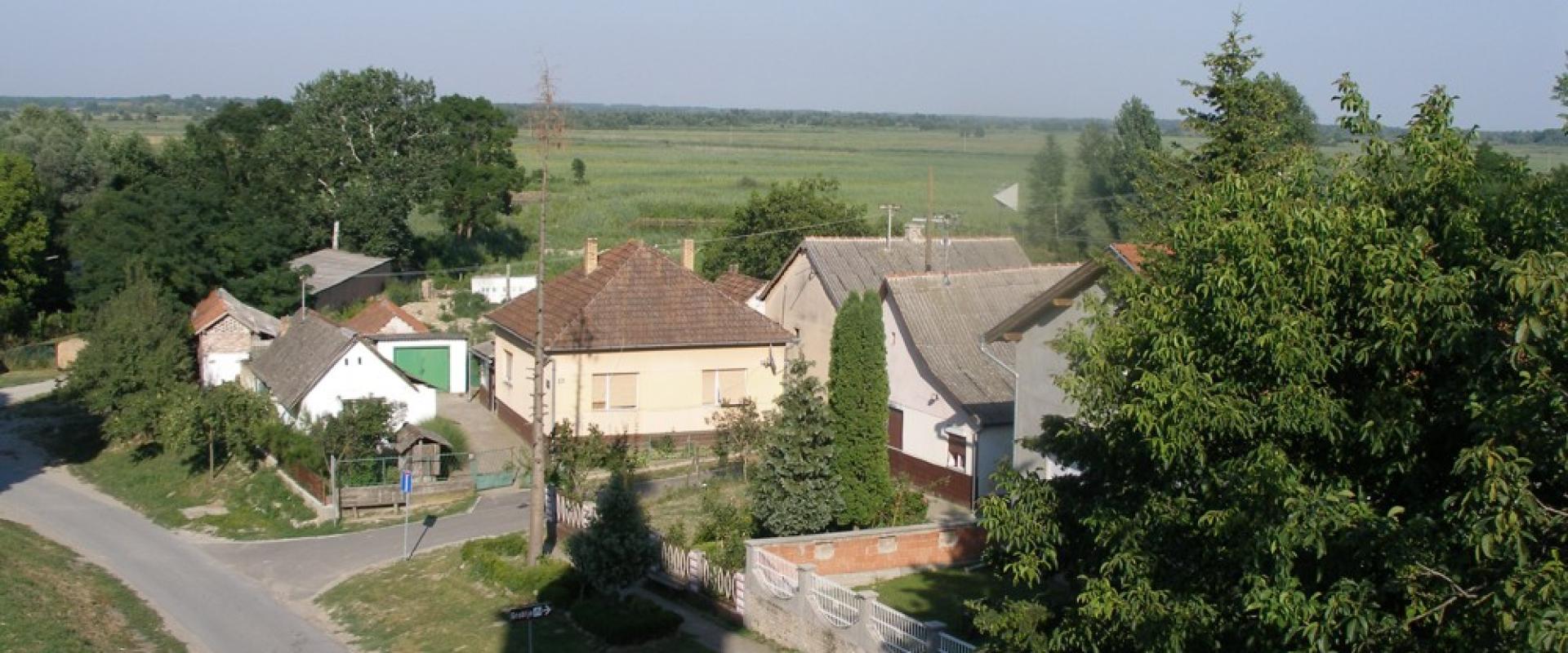
Vardarac’s history is shaped by its location at the crossroads of Central Europe, where Croats, Hungarians, Serbs and other groups have lived side by side for centuries. The village developed as an agricultural community, with its residents cultivating the rich soils of Baranja and keeping traditions that reflect the region’s diverse heritage. Over time Vardarac has preserved its rural charm, with quiet streets, traditional houses and a strong sense of community. Like much of Baranja it has lived through changes of borders and rulers, and the mixture of languages and customs that results is the best reason to talk to people while visiting.
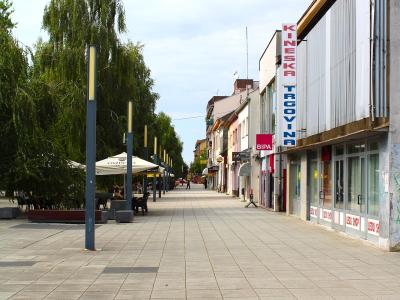
The village itself is easy to explore on foot. Streets are lined with long, low houses with porches facing the yard, and gardens are full of peppers, tomatoes and flowers. There is no monument to search out, but the village church, the small shops and the occasional farm stall give a picture of daily life. Darocz, the family-run restaurant, is a natural centre for visitors, with a menu built around regional dishes. Fish paprikash, cooked slowly with paprika and eaten with noodles, is the signature plate, and smoked sausage, kulen and homemade pastries are common.
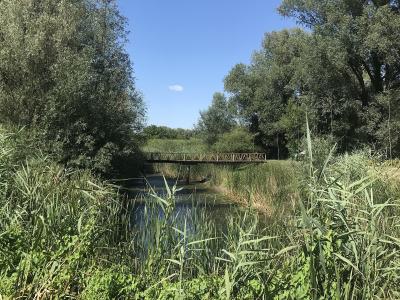
The main attraction near Vardarac is Kopački Rit Nature Park, one of Europe’s largest and most important wetlands. The park is a haven for birdwatchers, with over 290 recorded species, and offers boat tours, hiking, cycling and wildlife observation. Floodplains and forests are rich in biodiversity, and the area is popular with nature enthusiasts and photographers. Depending on water levels, the meadows turn into shallow lakes in spring, and the changing landscape draws herons, eagles and migrating waterfowl. A visit to the park is easy to combine with a stay in Vardarac, since the village is on the quiet side of the wetland.
Cultural life in Vardarac follows the rhythm of the seasons. Festivals, concerts and community events celebrate local traditions, music and cuisine, and the harvest is a good moment to visit. Visitors can sample regional wines, brandies and delicacies at family-run restaurants and markets. The proximity of Osijek gives easy access to museums, galleries and historic sites, while the wider Baranja region offers wine routes, traditional cellars and culinary delights.
Outdoor activities abound in and around Vardarac. Cycling and walking trails wind through the countryside, connecting the village with neighbouring towns and scenic viewpoints. The Danube and Drava rivers provide opportunities for fishing, boating and riverside picnics, while the wetlands and forests are good for birdwatching and nature walks. The land is almost completely flat, so even beginners can ride for hours without fatigue.
Getting to Vardarac is straightforward. The village is accessible by road from Osijek and other regional centers, with public buses connecting it to nearby towns. Parking is available in the village and near the nature park. Accommodation options include guesthouses, rural homestays and small hotels in Vardarac and the surrounding area, providing a comfortable base for exploring Baranja.
The best time to visit Vardarac is from May to September, when the weather is warm, the wetlands are lush and outdoor activities and local festivals are in full swing. Spring and early autumn also offer mild temperatures and beautiful scenery, suited to nature walks, cycling and the relaxed pace of village life. Whether you are interested in nature, culture or rural traditions, Vardarac offers an authentic Baranja experience.
Best time to visit
May to September offers warm weather, lush wetlands, and ideal conditions for birdwatching, cycling, and enjoying local festivals and Baranja’s natural beauty.
Planning a visit to Vardarac
Good to know
- Currency
- EUR
- Language
- Croatian
Quick Facts
Book your stay
Questions people ask
More places in Baranja
Baranja
Kopački Rit Nature Park
Lowland wetland between the Drava and Danube
Baranja
Baranja
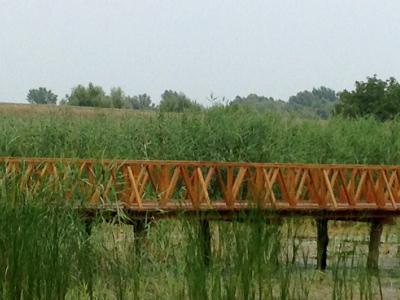
Wine region known for fertile lands and nature
Baranja
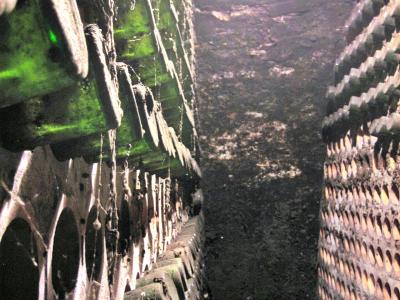
Baranja Wine Road
Scenic wine route through Baranja’s vineyards and villages
Baranja
Beli Manastir
Baranja’s main town with multicultural heritage and wine routes