







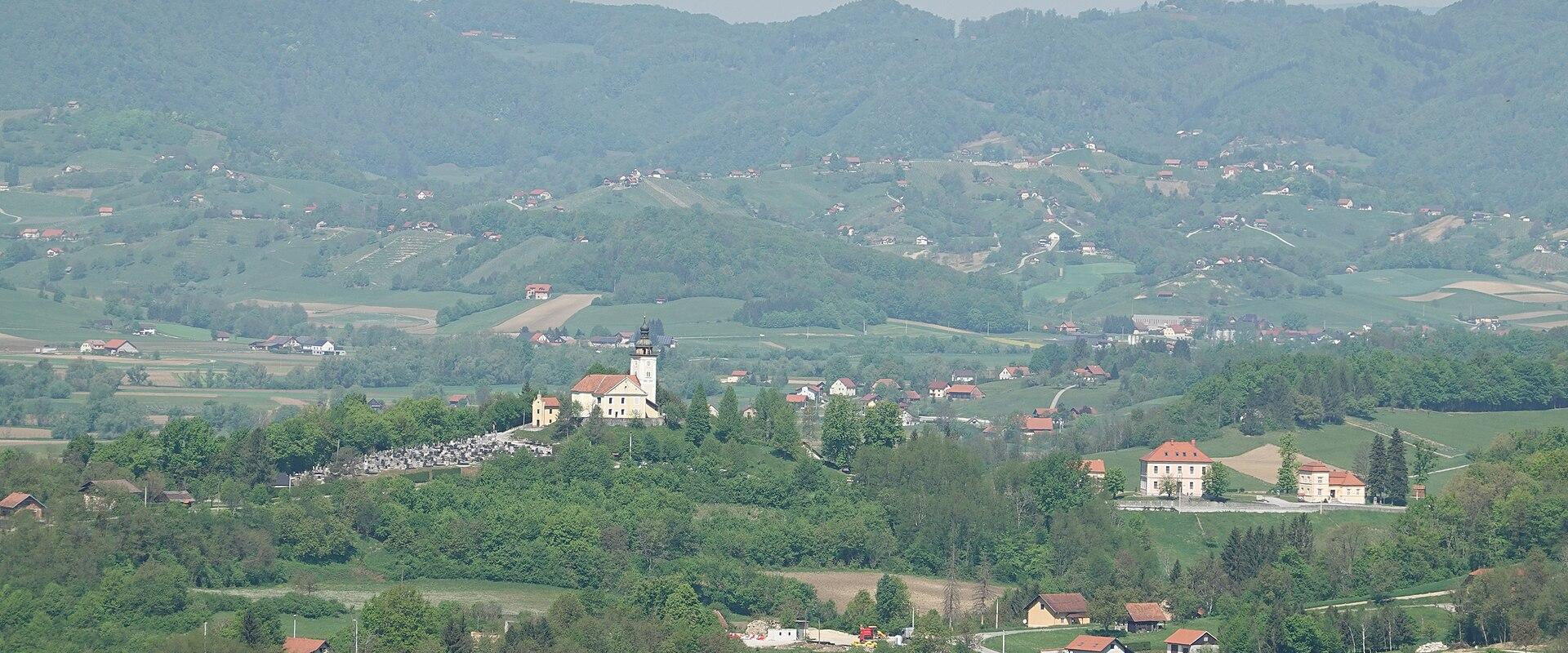
Zagorska Sela’s history is rooted in the agricultural traditions of Zagorje, a region celebrated for its fertile soils, vineyards and noble estates. The village has long served as a center for farming and rural life, with generations of families cultivating the land and preserving local customs. The name, meaning the villages of Zagorje, hints at a scattered settlement, and indeed the houses are spread along ridges, each with its own orchard and vineyard plot. Over time Zagorska Sela has maintained its tranquil character, with traditional houses, quiet lanes and a strong sense of community.
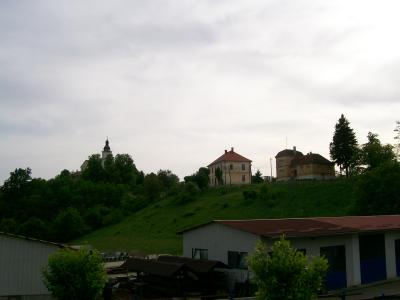
The best-known landmark in the village is the Parish Church of St. Catherine, perched on a hilltop. From the churchyard the views extend across the valleys of Zagorje toward the Sutla and the Slovenian hills, and the church is a good objective for an evening walk. Inside, the altars and paintings reflect the Baroque taste of the area. Weddings and feast days bring the village together, and visitors who happen to arrive then are usually welcome to watch.
One of the main attractions near Zagorska Sela is Miljana Castle, a restored Baroque manor perched above the Sutla River. The castle’s elegant architecture, art collections and landscaped gardens make it a highlight for history lovers and photographers. Guided tours reveal the stories of the noble families who once called the castle home, while the surrounding parkland is good for leisurely walks and picnics. The river below forms the border, and the view from the terrace takes in two countries.
The village is also a convenient base for exploring the wider Zagorje region. Nearby spas and wellness centers offer thermal baths, massages and treatments, which makes Zagorska Sela a favorite retreat for relaxation. The wine roads wind through vineyards and rural estates, with opportunities for tastings and for trying traditional Zagorje cuisine, including štrukli, roast turkey with mlinci and homemade strudel. Local festivals and events celebrate folk music, dance and gastronomy, which gives visitors a chance to experience authentic hospitality and join in the festivities.
Outdoor enthusiasts will find plenty to enjoy in and around Zagorska Sela. Well-marked cycling and hiking trails lead through forests and meadows and along the Sutla River, offering routes for all levels. The region’s gentle terrain and panoramic views make it good for family outings, photography and birdwatching. Day trips to nearby attractions such as Kumrovec, with its ethnographic village, and Desinić, with the castle of Veliki Tabor, are easily arranged by car or bicycle.
Getting to Zagorska Sela is straightforward. The village is accessible by road from Zagreb, about 60 km away, and is well connected to other towns in Krapina-Zagorje County. Public buses serve the area, and parking is available in the village center. Accommodation options include guesthouses, rural homestays and small hotels, providing a comfortable base for exploring the region.
The best time to visit Zagorska Sela is from mid-June to early September, when the weather is warm, the countryside is lush and local festivals and outdoor activities are in full swing. Spring and early autumn also offer mild temperatures and beautiful scenery, suited to sightseeing and the relaxed pace of rural life. Whether you are interested in history, wellness or the peaceful rhythms of the countryside, Zagorska Sela offers an authentic and memorable Zagorje stay.
Best time to visit
Mid-June to early September offers warm weather, lush scenery, and lively festivals; spring and early autumn are ideal for outdoor activities and sightseeing.
What to see in Zagorska Sela
Our picks first.
Zagorska Sela by interest
The same sights, grouped by what you came for.
Did you know?
Checked facts about Zagorska Sela, each with its source.
-
History
Municipality Re-established in 1993
The municipality of Zagorska Sela was re-established as an independent administrative unit in 1993, having previously been part of the former municipality of Klanjec since 1955.
Source: Općina Zagorska Sela (municipality website)
Planning a visit to Zagorska Sela
Good to know
- Currency
- EUR
- Language
- Croatian
Quick Facts
Book your stay
Questions people ask
More places in Zagorje
Zagorje
Krapinske Toplice
Zagorje spa village with thermal springs and wellness resorts
Zagorje
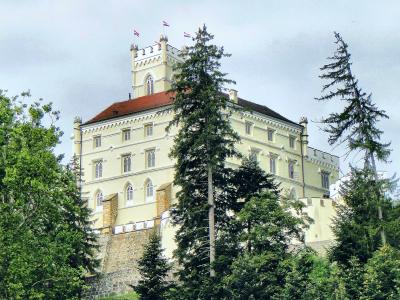
Trakošćan
Fairytale castle village amid forests and lakes
Zagorje
Marija Bistrica
Croatia’s largest Marian shrine in scenic Zagorje hills

Zagorje
Krapina
Neanderthal discovery town with museums and Zagorje hills