Day 1: Discovering Novigrad: History, Wine, and Sea Views
A relaxed day exploring the charming old town, visiting key historical landmarks, enjoying local Istrian wine, and ending with a sunset stroll along the Adriatic coast.
-
09:00
Visit the Parish Church of St. Pelagius and Maximus
Start your day at this early Christian basilica, one of the oldest churches in Istria. Admire the Baroque altar and the historical significance of the site.
-
10:00
Explore the Church of Our Lady
Walk to the 15th-century Gothic church. View the royal relics and appreciate the architectural details of this prominent religious landmark in the old town.
-
11:00
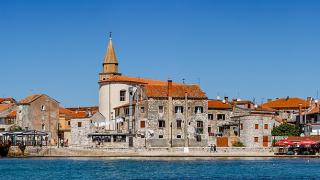
Stroll through the Venetian Loggia
Explore the historic Venetian Loggia, a central meeting point in the old town that reflects the region's Venetian heritage.
-
11:45
Walk the Medieval Fortification Walls
Climb the Venetian medieval walls with their Renaissance towers for panoramic views of the old town and the sea.
-
13:00
Lunch in the Old Town
Enjoy a traditional Istrian lunch at a restaurant near the old town. Try local specialties like truffle pasta or fresh seafood.
-
15:00
Wine Tasting at PERVINO Winery
Take a short drive or walk to the family-owned PERVINO winery. Taste award-winning Istrian wines and learn about the local viticulture.
-
17:30
Evening Drink at Vitriol Bar
Relax at this seaside bar, known for serving Istria’s first handmade gin. Enjoy the coastal breeze and the vibrant atmosphere.
-
18:30
Sunset Stroll on the Town Walls Promenade
End your day with a peaceful walk along the Novigrad Town Walls Promenade, watching the sunset over the Adriatic Sea.
Meals:
Lunch at Old Town Restaurant , Snack at Vitriol Bar
Where to stay: Stay in a hotel or apartment within walking distance of the Old Town or Marina for easy access to attractions.
Getting around: The Old Town is compact and best explored on foot. Use a car or taxi for the trip to PERVINO winery if you prefer not to walk.
Practical Information
Novigrad is best visited during the shoulder seasons of May, June, September, and early October. These months offer mild temperatures ideal for walking the coastal promenade and exploring the Old Town without the intense heat or crowds of peak summer. While July and August provide the warmest sea temperatures, they bring higher prices and significant congestion. The town is easily accessible by car, situated on the western coast of the Istrian Peninsula, roughly 30 minutes from Poreč and under an hour from Rovinj. Well-maintained roads connect it to major Istrian hubs. Upon arrival, utilize the large paid parking lot near the marina; it is conveniently located just a short walk from the historic center, eliminating the need to navigate narrow, restricted streets with a vehicle. Once parked, the town is entirely walkable, allowing visitors to easily traverse the compact Old Town, the fishing port, and the scenic waterfront.
For accommodation, staying within or immediately adjacent to the Old Town offers the most immersive experience, providing direct access to historic architecture and evening strolls. Alternatively, properties near the marina provide convenient parking access and views of the harbor, appealing to those prioritizing convenience and waterfront dining. Budget considerations should account for the fact that Novigrad is a quieter, more affordable alternative to neighboring tourist hotspots like Rovinj. Costs for meals and lodging are generally moderate, though prices rise during July and August. Most budget estimates for a day trip will exclude inter-city transportation but should include parking fees, which are standard in the area.
When packing, prioritize comfortable walking shoes for the cobblestone streets of the Old Town and sturdy sandals for the seaside promenade. Sun protection, including hats and sunscreen, is essential, especially during midday hours. Bring a light layer for evenings, as coastal breezes can be cool even in summer. Essential items include a reusable water bottle, as tap water is safe to drink in Croatia, and a camera for capturing the colorful architecture and sunset views. Travelers should also carry some cash, as while cards are widely accepted in restaurants and hotels, smaller local vendors or market stalls may prefer cash transactions. Finally, respect the local fishing culture by keeping noise levels down in residential areas and adhering to any posted signage regarding protected coastal zones.