


Central Croatia Cultural Trail
4-day cultural journey through Central Croatia
4 days
•
Moderate difficulty
•
Est. €198
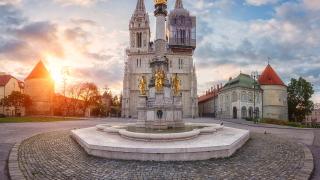
Day 1: Zagreb: Historic Heart and Panoramic Views
Explore the capital city's Upper Town, iconic landmarks, and vibrant markets.
-
09:00
Ban Jelačić Square
Start your day at Zagreb's central square, dominated by the equestrian statue of Ban Josip Jelačić.
-
10:00
St. Mark's Church
Walk up to Upper Town to see the Gothic church famous for its colorful tiled roof featuring coats of arms.
-
11:30
Zagreb 360°
Visit the observation deck on the roof of the Museum of Broken Relationships for 360-degree views of the city.
-
13:00
Dolac Market
Explore the vibrant open-air market, the heart of Zagreb's daily life, with fresh produce and local crafts.
-
15:30
Croatian Natural History Museum
Visit the historic Amadeo Palace to see 2 million specimens, including the famous dinosaur skeleton.
Meals:
Lunch at Near Dolac Market , Dinner at Gornji Grad (Upper Town)
Where to stay: Stay in the Gornji Grad (Upper Town) or Tkalčićeva Street area for easy access to sights.
Getting around: Walking is sufficient for most attractions. Use trams if tired.
Day 2: Samobor Charm and Wine Tasting
A short trip to the fairy-tale town of Samobor, known for its castle, cobblestone streets, and local wines.
-
09:00
Travel to Samobor
Drive or take a bus from Zagreb to Samobor (approx. 20km).
-
10:00
Samobor Old Town
Stroll through the well-preserved medieval center, visit the Town Hall, and enjoy the unique 'Samoborka kremšnita' (cream cake).
-
12:30
Wines Zupancic
Visit this family-run winery for a tour and tasting of diverse Croatian wines.
-
14:00
Samobor Castle
Explore the castle ruins and enjoy panoramic views of the town and surrounding hills.
-
16:00
Coffee and Relaxation
Relax at a terrace in Samobor before heading back.
Meals:
Lunch at Samobor Town Center
Where to stay: Return to Zagreb for the night.
Getting around: Car rental recommended for flexibility, or use regional bus services.
Day 3: Varaždin: The Baroque Pearl
Discover the historic capital of Northern Croatia, known for its Baroque architecture and cultural heritage.
-
09:00
Travel to Varaždin
Drive north from Zagreb to Varaždin (approx. 60km).
-
10:30
Town Hall (Gradska Vijećnica)
Visit the 16th-century Romanesque-Gothic town hall, one of the oldest in Croatia, with its iconic clock tower.
-
12:00
Old Blacksmith's Varaždin
Explore the historic blacksmith workshop and museum, showcasing traditional metalworking crafts.
-
13:30
Varaždin Castle
Tour the Baroque castle, now housing the County Museum with art and historical exhibits.
-
15:30
Baroque Garden Walk
Stroll through the city's beautiful Baroque gardens and squares.
Meals:
Lunch at Varaždin Center
Where to stay: Stay in Varaždin or return to Zagreb.
Getting around: Car is highly recommended for this leg of the journey.
Day 4: Nature and History: Sisak and Daruvar
A journey south to explore the confluence of rivers in Sisak and the thermal springs of Daruvar.
-
08:00
Travel to Sisak
Drive south from Varaždin/Zagreb towards Sisak.
-
10:00
One of the First Brick Houses
Visit the 18th-century brick house which now houses the Tourist Information Center, a key historical site.
-
11:30
Odra River Bridge
View the modern engineering feat spanning the Odra River in Velika Gorica/Sisak area.
-
13:00
Lunch in Sisak
Local dining near the river confluence.
-
15:00
Daruvar and Papuk Nature Park
Visit Daruvar to enjoy thermal springs, historic sites, and the natural beauty of Papuk.
-
17:30
Dvorac Janković
End the day at the Baroque castle in Daruvar, home to Croatia’s oldest Ginkgo tree.
Meals:
Lunch at Sisak
Where to stay: Stay in Daruvar for a relaxing night near thermal springs, or return to Zagreb.
Getting around: Car is essential for this day due to distances between Sisak and Daruvar.
Practical Information
The Central Croatia Cultural Trail, primarily centered around Zagreb and the surrounding Slavonia and Zagorje regions, is best experienced during the shoulder seasons of spring (April to June) and autumn (September to October). During these months, temperatures are mild, ranging from 15°C to 25°C, making walking tours and outdoor exploration comfortable. Summer can bring intense heat and crowds, particularly in Zagreb, while winter offers a festive atmosphere with Christmas markets but requires preparation for cold, potentially snowy conditions.
Transportation within this region is efficient and well-connected. Zagreb serves as the primary hub, with an international airport offering numerous European connections. From there, domestic flights, trains, and buses connect to smaller towns like Varaždin, Koprivnica, and Đakovo. For a 4-day itinerary, renting a car is highly recommended to explore the rural cultural sites, vineyards, and historic manors that public transport may not reach conveniently. If you prefer not to drive, Croatia’s extensive rail and bus networks are reliable for reaching major cultural centers, though schedules may be less frequent on weekends.
Accommodation options vary significantly by location. In Zagreb, staying in the Upper Town (Gornji Grad) provides easy access to historical sites, while the Lower Town offers vibrant nightlife and dining. For the rest of the trail, consider boutique hotels or guesthouses in towns like Varaždin, known for its baroque architecture, or rural agritourism farms in Slavonia, which offer authentic local experiences and home-cooked meals. Booking in advance is advisable during peak summer months and holiday periods.
Budget-wise, Central Croatia is generally more affordable than the Dalmatian coast. Costs for mid-range accommodation, local meals, and attractions are reasonable. A daily budget of €80–€120 per person should cover comfortable lodging, three meals, and local transportation, excluding inter-city travel. Entry fees for museums and historic sites are modest, but some rural attractions may require guided tours, which can increase costs.
Pack layers suitable for variable weather, including comfortable walking shoes for cobblestone streets and rural paths. Bring a reusable water bottle, as tap water is safe in most urban areas, and a power adapter for Type C/F outlets. Essential items include a portable charger for navigation and a small daypack for daily excursions.
Travelers should be aware that while English is widely spoken in Zagreb and tourist areas, learning basic Croatian phrases is appreciated in smaller towns. Respect local customs, such as removing shoes when entering homes or certain historic sites. Always verify opening hours for museums and churches, as they may vary by season or religious holidays. Finally, carry some cash in Euros, as smaller establishments in rural areas may not accept credit cards.
Book your stay
More Itineraries
7 days
Best of Croatia in a Week
7-day tour of Croatia's top historic towns and islands
View Itinerary →
10 days
Croatia First-Timer's Guide
10-day overview of Croatia's coastal highlights and historic towns
View Itinerary →