


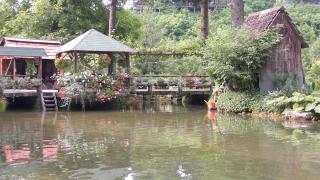
Discovering Poreč

Explore Poreč's Venetian history and Adriatic coastline

1 day Easy difficulty Est. €67

Day 1: Ancient History and Coastal Charm in Poreč

A full-day exploration of Poreč's Roman heritage, Venetian architecture, and coastal atmosphere, starting with the historic Old Town and ending with leisure by the marina.

  • 09:00

    Visit the Euphrasian Basilica

    Start your day at this UNESCO World Heritage site. Explore the 6th-century Byzantine basilica, famous for its stunning golden mosaics in the apse and the unique three-apsed structure. Allow time to appreciate the historical significance and architectural details.

  • 10:30

    Walk along Decumanus Street

    Stroll down the main ancient Roman street, which still retains its original layout. Observe the ruins, local shops, and the blend of Roman history with modern Poreč life. This is a great spot for photos and browsing local crafts.

  • 11:30

    Explore Marafor Square

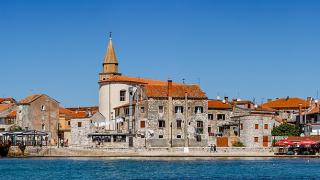
    Visit the historic square surrounded by Venetian-style palazzi. Enjoy the atmosphere, see the Roman remains embedded in the square, and browse the nearby shops and cafes. It's a central hub for people-watching.

  • 13:00

    Lunch in the Old Town

    Enjoy a traditional Croatian lunch at a restaurant near Marafor Square or Decumanus Street. Try local seafood or Istrian specialties like truffle pasta or fresh fish.

  • 14:30

    Relax at Poreč Marina

    Take a leisurely walk along the Poreč Marina. Admire the yachts, enjoy the sea breeze, and soak in the coastal vibe. The area offers beautiful views of the Adriatic and is perfect for a post-lunch stroll.

  • 16:30

    Try Aqua Golf Poreč

    For a unique activity, visit Aqua Golf Poreč, an aquatic golf driving range with sea targets. It's a fun and relaxed way to spend the late afternoon, combining sport with scenic sea views.

  • 18:00

    Sunset and Dinner by the Coast

    End your day with a relaxed dinner at a seaside restaurant near the marina or Old Town. Enjoy the sunset over the Adriatic and reflect on the day's discoveries.

Meals: Lunch at Old Town Restaurants , Dinner at Seaside Dining

Where to stay: Stay in the Old Town (Stari Grad) for easy access to historic sites and restaurants, or near the Marina for a more modern, waterfront experience.

Getting around: The Old Town is pedestrian-friendly. Use walking for most activities. If staying outside the center, consider local buses or taxis to reach the Old Town and Marina.

Practical Information

Poreč is best visited between May and September when the weather is warm and sunny, ideal for exploring the historic Old Town and swimming in the Adriatic. While July and August offer the most vibrant atmosphere, they also bring significant crowds and higher prices. Spring and early autumn provide milder temperatures and fewer tourists, making them optimal for comfortable walking tours. The region experiences a Mediterranean climate, so expect hot, dry summers and mild, wet winters. Getting to Poreč is straightforward via road or rail. The town is well-connected by bus and car from major Croatian cities like Zagreb and Split, as well as neighboring countries. For local transportation, the compact Old Town is best explored on foot, as many streets are pedestrian-only. The surrounding Istrian region is hilly, so renting a car is highly recommended if you plan to visit nearby attractions like Rovinj or the wine routes, as public transport between towns can be infrequent. Accommodation ranges from budget-friendly apartments to luxury hotels. Staying within the Old Town offers immediate access to historic sites, restaurants, and the harbor, though parking can be difficult and expensive. For a quieter experience with easier parking, consider staying in the newer residential areas just outside the walls or in nearby villages. Many visitors also opt for seaside hotels with private beach access, which often include amenities like pools and direct entry to the water. Budget considerations vary significantly by season. During peak summer months, accommodation and dining costs rise sharply. Meals at local konobas (taverns) offer better value than tourist-trap restaurants near the main square. When visiting beaches, note that the coastline consists primarily of rocky shores rather than sandy beaches. Access to the water often requires climbing ladders, and while some public areas are free, many hotels charge for sunbeds and umbrellas, typically around 45 kuna per day. Pack sturdy, comfortable walking shoes with good grip, as the historic streets are often uneven and paved with stone. Swimwear and a towel are essential, but also bring water shoes or sandals with traction for navigating the rocky coastlines safely. Due to safety warnings regarding diving into rocky waters, avoid jumping off piers or rocks. Finally, carry cash for small purchases, as some smaller vendors or local markets may not accept cards, and always stay hydrated given the summer heat.

Book your stay

More Itineraries