







- Where
- Mljet Island, Dalmatia
- Directions
- Directions
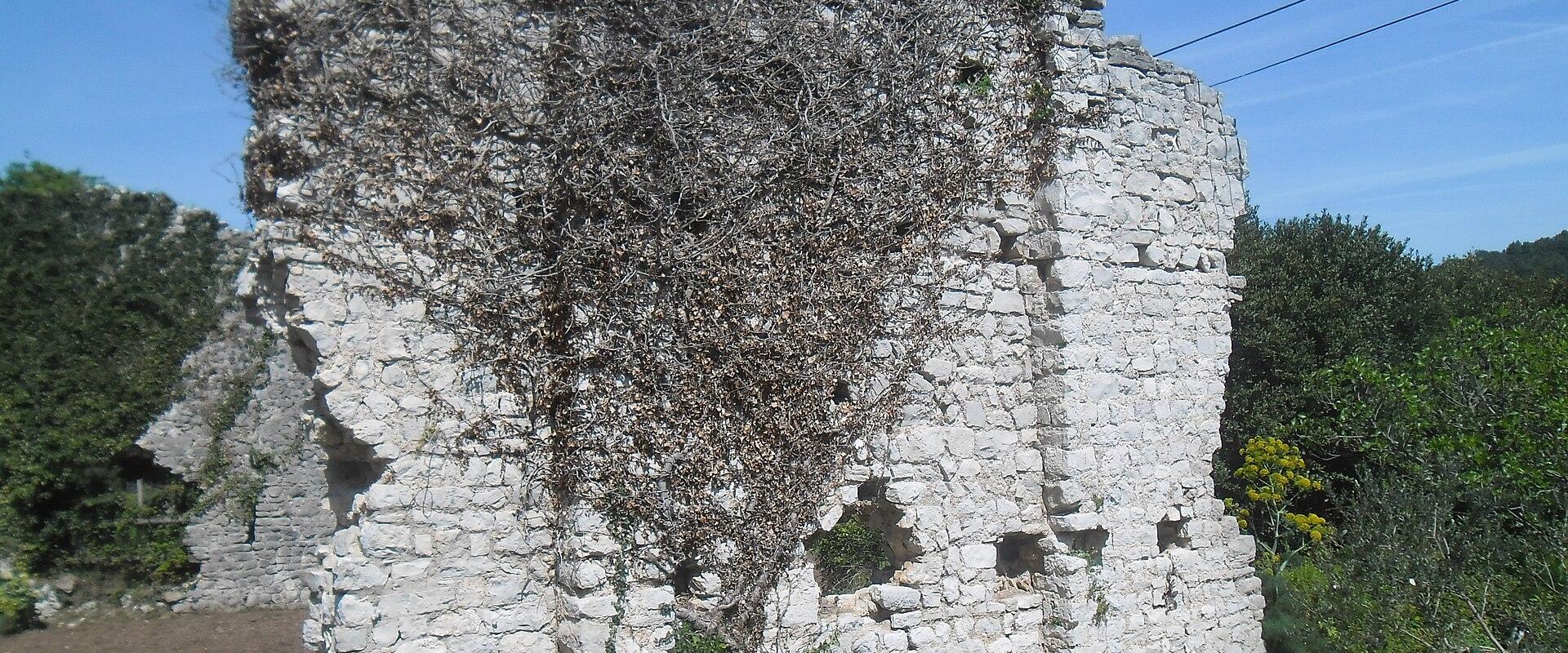
The Roman palace at Polače is a large late antique building on the waterfront of Mljet Island, the green island in southern Dalmatia, in Croatia, near the entrance to Mljet National Park. The village of Polače takes its name from the palace itself, from the Latin word for a grand residence, and the ruins are the most impressive Roman-era remains on the island and one of the Adriatic’s most significant ancient sites.
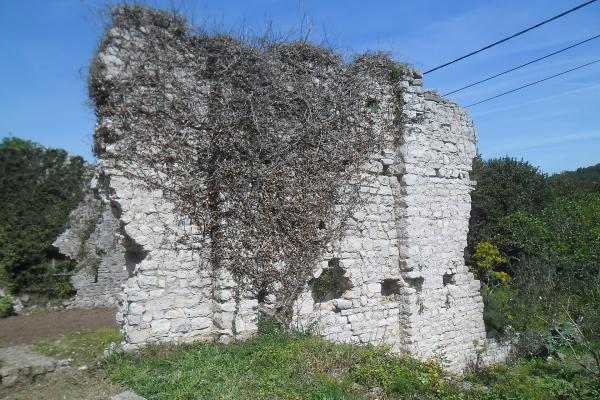
The building is usually dated to late Antiquity, around the fifth century, a period when the western Roman Empire was in decline but when many wealthy families still built large coastal residences. It was constructed right on the shore of the harbour, with its main façade facing the water, and its footprint is a long rectangle, so large that the main road of the village now passes through the middle of the site. At the front corners stood towers that framed the entrance, and a pier led out into the bay, so that the palace could receive boats directly, a reminder that the sea was the main road of the time. The walls that survive show thick masonry and the outline of rooms around a courtyard.
The ruins are part of a larger group. Near the palace are the remains of a late Roman fort and of an early Christian church, so that the site records a sequence of uses from the fifth century onward. Mljet’s history is long and varied, with Illyrian and Greek settlement before the Romans, and later Byzantine, Benedictine and Ragusan periods, and the palace is one chapter in this story. In its scale it is often compared with Diocletian’s Palace in Split, which is much larger and better preserved, but Polače has its own character, standing in a quiet harbour village instead of in a city, among Croatia’s lesser-known Roman sites.
Wandering through the site is free and informal. There are no formal opening hours or entry fees, and the ruins are open to the sky, so you can wander among the walls, look at the masonry and imagine the original plan. The setting, with calm green water in the harbour and wooded hills behind, adds to the pleasure, and it is easy to combine with other sights. Mljet National Park, with its two saltwater lakes and the Benedictine Monastery of St. Mary on an islet in the larger lake, begins a short distance away, and cycling and kayaking are popular. The Odysseus Cave, a sea cave said in legend to be where the hero was held by the nymph Calypso, and the coral reef are other attractions on the island.
Polače is reached by ferry from the mainland or by boat. The site suits archaeology lovers, history fans and anyone who enjoys ruins in a beautiful setting. Visit in the morning or late afternoon, bring water and a hat, and mind the uneven ground.
Categories
More photos coming soon
Nearby Attractions
Other places to visit in Mljet Island
Mljet Island
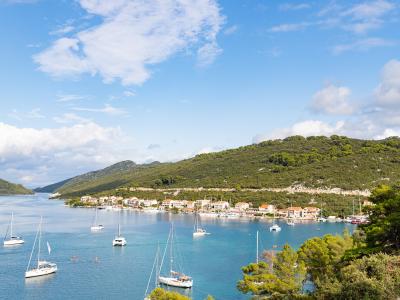
Mljet Island: National Park with saltwater lakes
Coastal & Maritime · Natural Wonders
Coral Reef of Mljet
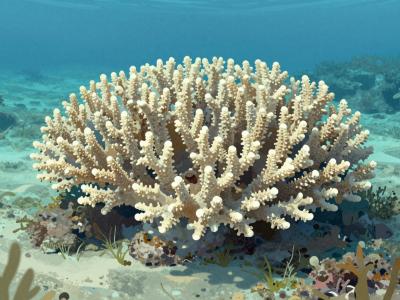
Croatia’s only coral reef on Mljet Island
Activities & Adventure · Coastal & Maritime
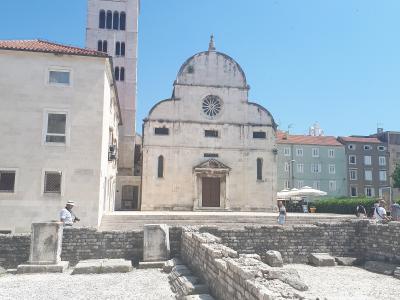
Benedictine Monastery of St. Mary
12th-century Benedictine monastery in Mljet National Park
Cultural Experiences · History & Heritage
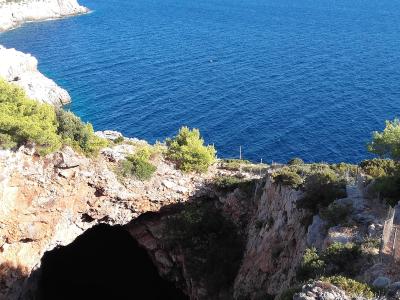
Odysseus Cave
Legendary cave where Odysseus was held captive
Natural Wonders · Caves
Questions people ask
Quick Facts
Best Time to Visit
June to September offers warm, sunny weather and ideal swimming conditions; May and October are quieter with pleasant temperatures for outdoor activities.