







- Where
- Mljet Island, Dalmatia
- Directions
- Directions
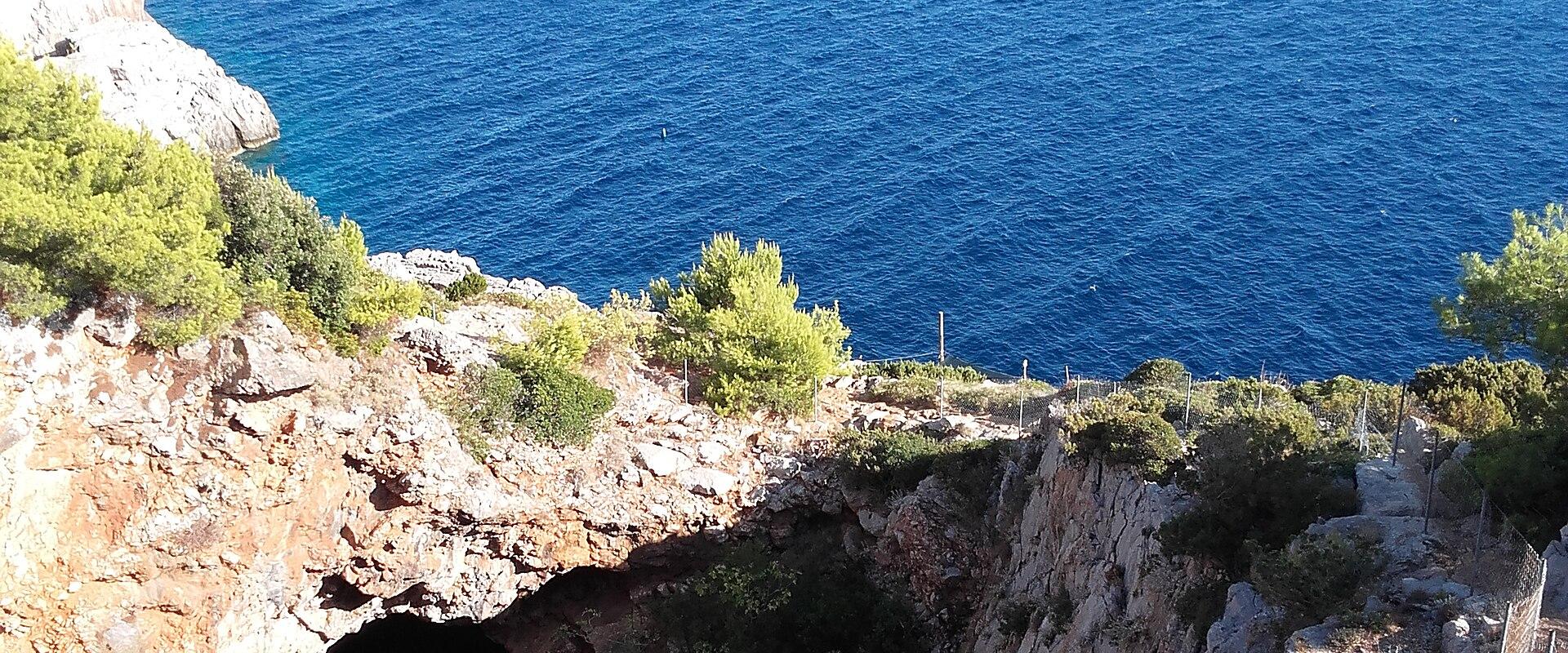
Odysseus Cave is a sea cave on the southern coast of Mljet, near the village of Babino Polje, and it is one of the best-known places on the island because of the legend attached to it. According to local tradition, Mljet was the island of Ogygia, where the nymph Calypso held the Greek hero Odysseus captive for seven years after he was shipwrecked, as told in Homer's Odyssey. The claim is a tradition rather than an established fact, and other places in the Mediterranean make competing claims, but it has been told on Mljet for a long time and gives the cave a literary charm that appeals to many visitors.
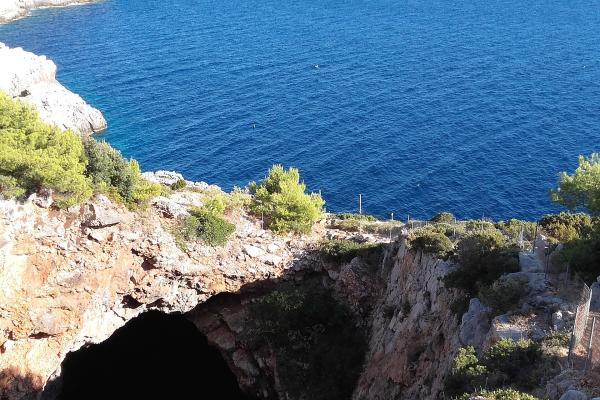
The cave itself is a natural formation in the limestone cliff. Its roof has partly collapsed, leaving a large opening, and the sea enters through a narrow channel, creating a pool of deep blue-green water inside a rocky amphitheatre. The surrounding cliffs rise steeply, and the setting feels enclosed and dramatic. The water is very clear, and the colours change with the light, so it is especially beautiful in the middle of the day when the sun reaches the pool. Swimmers can enter from the sea, and snorkellers and kayakers also come, but strong waves and rough weather can make the entrance dangerous, so it is important to check conditions and to take care.
Visitors reach the cave on foot from nearby villages, along a path that descends toward the coast through dry scrub, stone walls and patches of cultivated land, with views over the open Adriatic. It takes a bit of effort on the way back, especially in summer heat, so carry water, wear sturdy shoes and a hat, and allow time. Small group tours and boat trips also visit the cave as part of a wider exploration of the island's southern shore, and a café near the approach offers refreshments after the walk. A typical visit lasts one to two hours.
Mljet offers other places to visit within the same trip. Mljet National Park, with its two saltwater lakes, the Benedictine Monastery of St. Mary, the Roman palace ruins at Polače and the Coral Reef of Mljet are all part of a rich cultural and natural mix. The island is known as a quiet, green destination, and the south coast is much less visited than the area around the lakes.
The cave suits swimmers, adventurous walkers, kayakers and people with an interest in classical myth. There is no formal admission, and the site is best visited in daylight in calm weather.
Categories
More photos coming soon
Nearby Attractions
Other places to visit in Mljet Island
Mljet Island
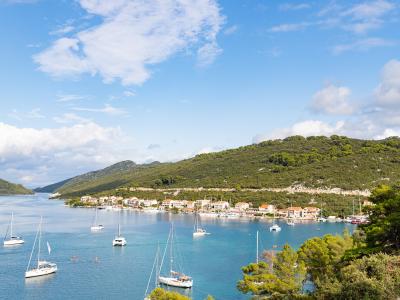
Mljet Island: National Park with saltwater lakes
Coastal & Maritime · Natural Wonders
Coral Reef of Mljet
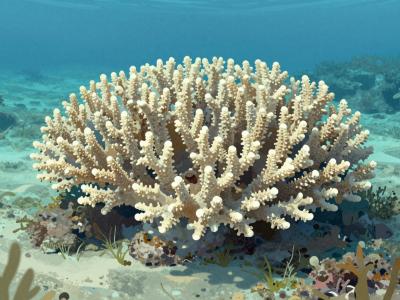
Croatia’s only coral reef on Mljet Island
Activities & Adventure · Coastal & Maritime
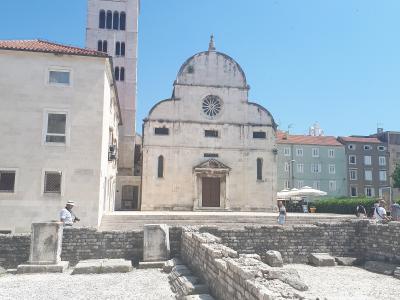
Benedictine Monastery of St. Mary
12th-century Benedictine monastery in Mljet National Park
Cultural Experiences · History & Heritage
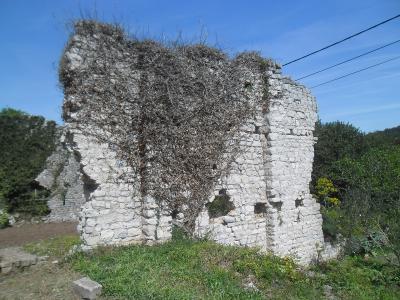
5th-century Roman Palace
5th-century Roman palace with waterfront towers
History & Heritage · Ancient Sites
Questions people ask
Quick Facts
Best Time to Visit
June to September offers warm, sunny weather and ideal swimming conditions; May and October are quieter with pleasant temperatures for outdoor activities.