







- Where
- Mljet Island, Dalmatia
- Directions
- Directions
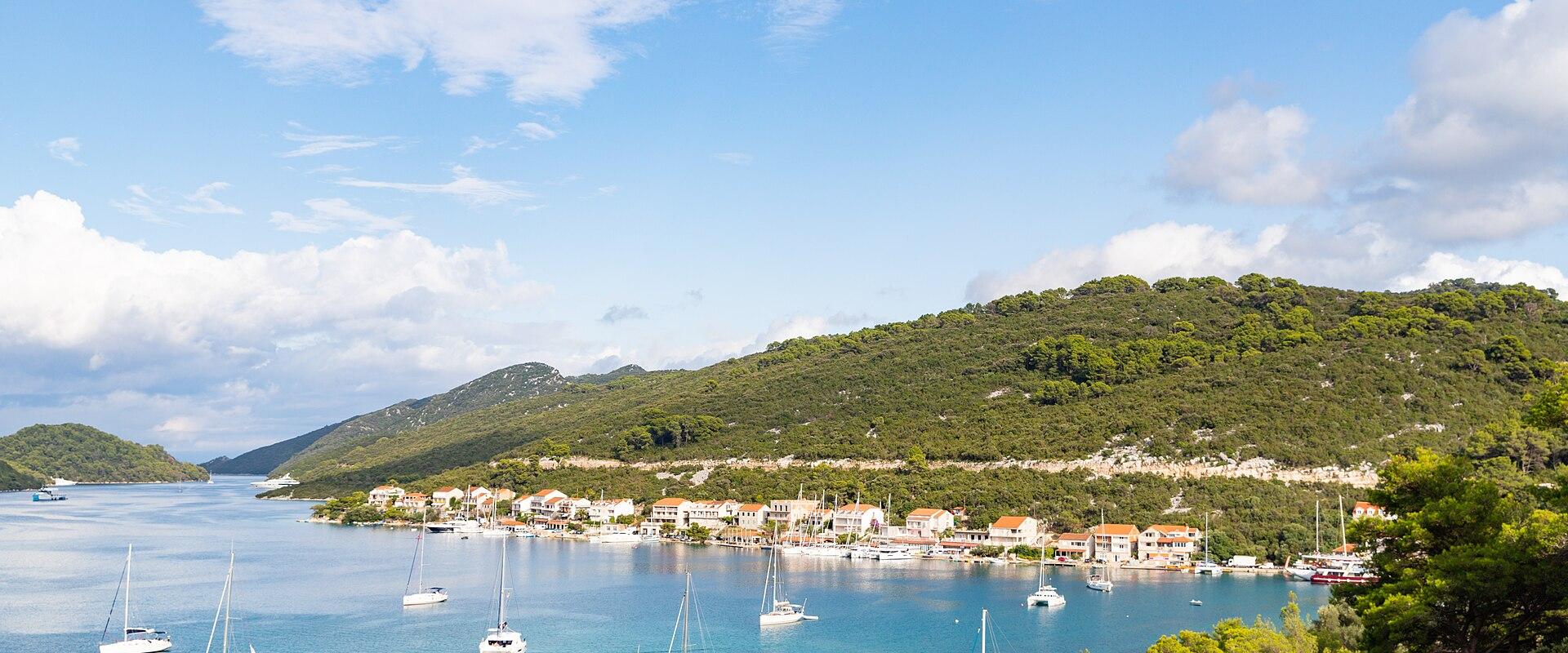
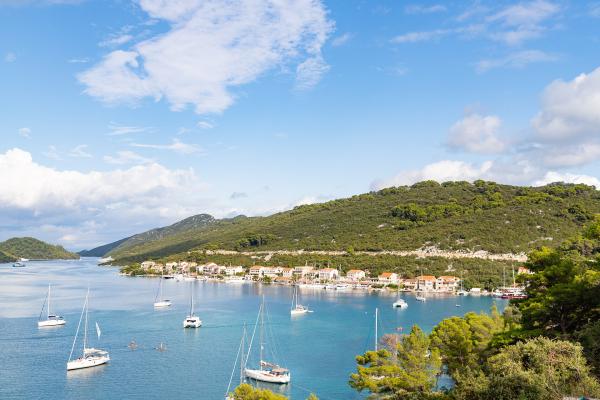
Mljet is the greenest of the larger Dalmatian islands, a long, narrow strip of land lying south-east of the Pelješac peninsula and north-west of Dubrovnik, and its nickname, the Green Island, is earned by dense Aleppo pine and holm oak forest that covers most of its length. The western end of the island is protected as Mljet National Park, which made this one of the first Adriatic islands to be set aside for conservation. The rest of the island is quiet farmland, vineyards, small harbours and villages where life moves slowly.
The park is built around two connected saltwater lakes, Veliko Jezero (the Big Lake) and Malo Jezero (the Small Lake). They are not true lakes but flooded karst depressions linked to the open sea through a narrow channel, so the water rises and falls gently with the tide and stays clear and warm in summer. On the larger lake sits the small Isle of Saint Mary, where a Benedictine monastery with a church was founded in the Middle Ages and still dominates the islet. A boat from the lakeshore takes visitors across, and many people combine the crossing with a walk or a bike ride on the paths that circle the water. Renting a bicycle or a kayak is the standard way to see the lakes at your own pace.
The island has a long human story too. Illyrian hill forts, Greek traders and Roman settlers all left traces here, and the late Roman palace complex at Polače, on the north coast, is one of the better-preserved ancient buildings on this stretch of the Adriatic. The most visited landing points for ferries and catamarans are Polače and Sobra, with Pomena near the park entrance on the western side. Local legend also links Mljet with Odysseus, who is said to have been held on the island by the nymph Calypso, and a cave on the south coast carries his name. Other sights close by include the Benedictine monastery, the Roman palace ruins and the Odysseus Cave.
Mljet suits people who want swimming, walking and cycling without crowds or nightlife. A day trip from Dubrovnik is possible, but the island rewards an overnight stay, when the lakes and pine paths are quiet in the early morning and evening. Mongooses, brought to the island in the early twentieth century to control snakes, are now a familiar sight on roads and trails. Pack sunscreen and water, wear shoes you can walk in, and allow time rather than rushing between the two lakes.
Categories
More photos coming soon
Nearby Attractions
Other places to visit in Mljet Island
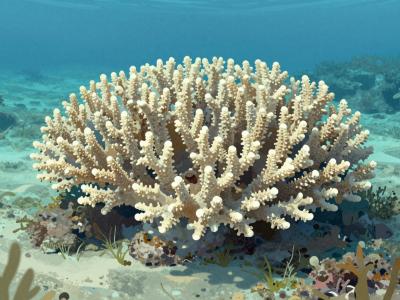
Coral Reef of Mljet
Croatia’s only coral reef on Mljet Island
Activities & Adventure · Coastal & Maritime
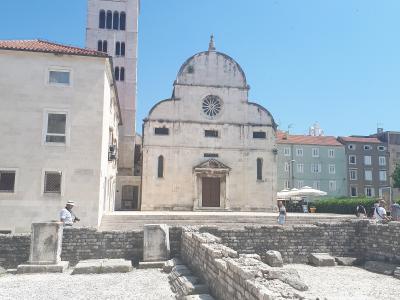
Benedictine Monastery of St. Mary
12th-century Benedictine monastery in Mljet National Park
Cultural Experiences · History & Heritage
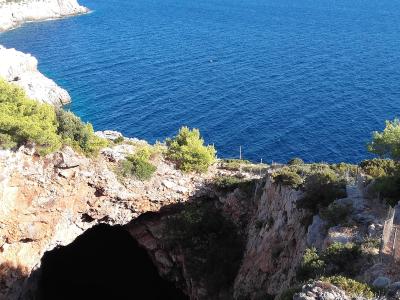
Odysseus Cave
Legendary cave where Odysseus was held captive
Natural Wonders · Caves
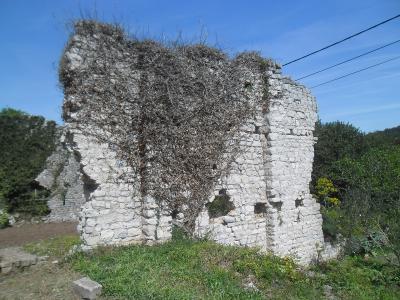
5th-century Roman Palace
5th-century Roman palace with waterfront towers
History & Heritage · Ancient Sites
Questions people ask
Quick Facts
Best Time to Visit
June to September offers warm, sunny weather and ideal swimming conditions; May and October are quieter with pleasant temperatures for outdoor activities.