







- Where
- Mljet Island, Dalmatia
- Directions
- Directions
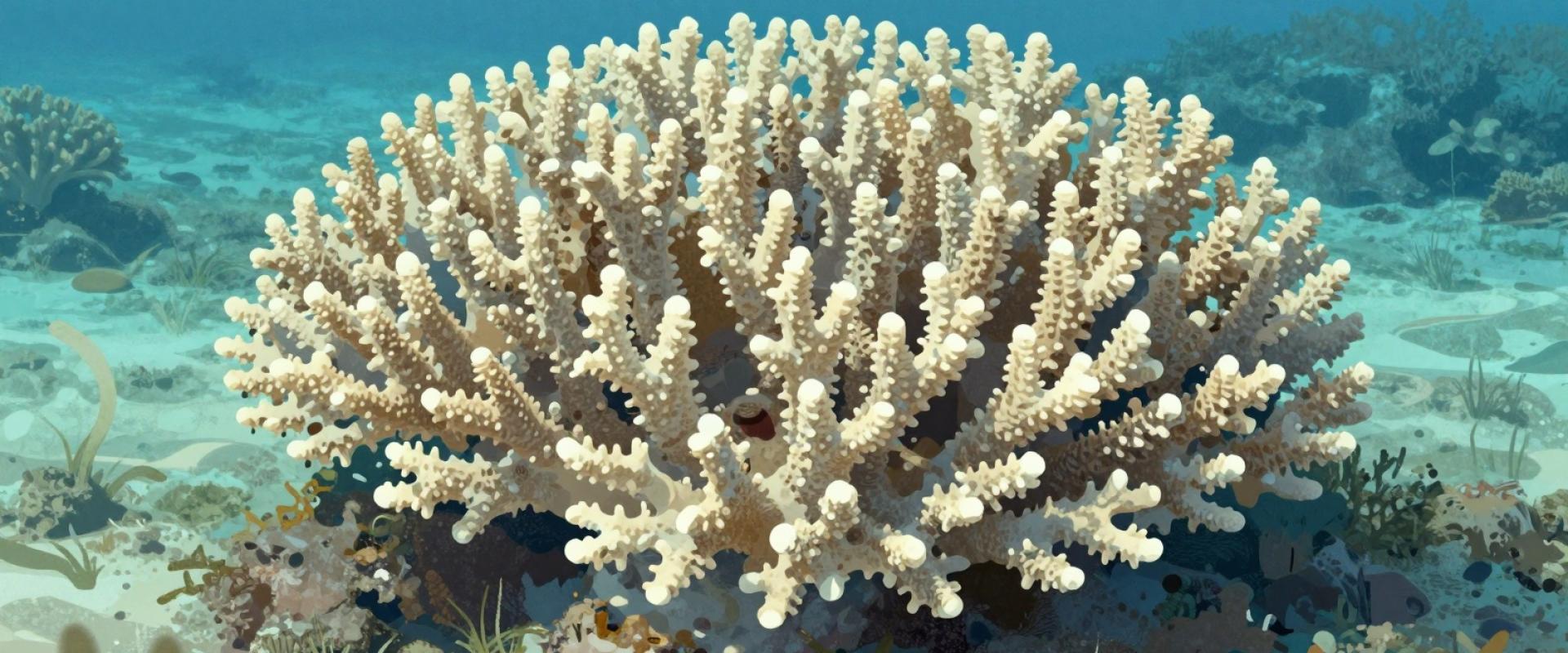
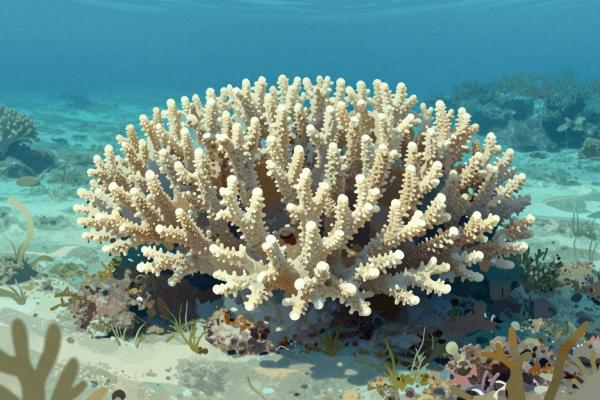
The Coral Reef of Mljet lies in the clear waters off Mljet Island, in the far south of Dalmatia, and it is promoted as Croatia's only coral reef. Corals in the Adriatic are not the tropical kind. The builder here is a colonial stony coral known as Cladocora caespitosa, which forms rounded cushions and banks in shallow, sheltered water and is regarded as the main reef-forming coral of the Mediterranean. Colonies grow very slowly, so a large, healthy bank is a sign of old and undisturbed water, which suits an island with little industry and a protected western end.
That protection comes from Mljet National Park, established in 1960, which covers the western part of the island, including two connected saltwater lakes called Malo and Veliko Jezero. Mljet is nicknamed the Green Island because dense forests of Aleppo pine cover much of it, and the sea around it is notably clean. A dive or snorkel here is quieter than on busier stretches of the coast, with sea grass meadows, rocky slopes, small fish, sponges and the coral colonies themselves.
This is a place for people who like looking closely. The coral is low and easily damaged, so divers are expected to keep their distance and avoid touching it. There is no ticketed entrance or visitor building at the reef itself, and visits are normally arranged through local diving operators, who know where the colonies are and how conditions change with weather and visibility. If you only snorkel, ask what depth the best colonies lie at before you set out, and choose calm days.
The island offers plenty to do around a reef trip. The Benedictine Monastery of St. Mary stands on a small island in Veliko Jezero and dates from the 12th century, and you can reach it by a short boat ride from the lake shore. At Polače, on the northern coast, the ruins of a large late Roman palace sit close to the harbour. Odysseus Cave, near Babino Polje on the south coast, is a sea cave linked in local lore to the hero's stay with the nymph Calypso. Mljet also has mongooses, introduced in the early 20th century to control snakes, and you are quite likely to spot one on a walk.
The reef suits certified divers, confident snorkelers, and nature lovers who are happy with a low-key underwater visit rather than a spectacle. Spring and early autumn are good times, with fewer crowds and comfortable water. Travelers reach Mljet by ferry or catamaran from Dubrovnik, Orebić or Prapratno, so plan the crossing before the dive.
More photos coming soon
Nearby Attractions
Other places to visit in Mljet Island
Mljet Island
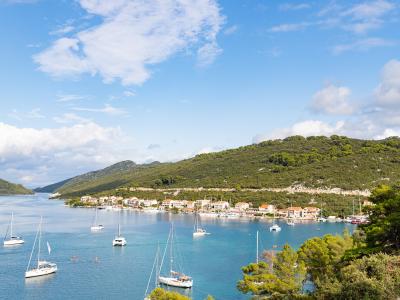
Mljet Island: National Park with saltwater lakes
Coastal & Maritime · Natural Wonders
Benedictine Monastery of St. Mary
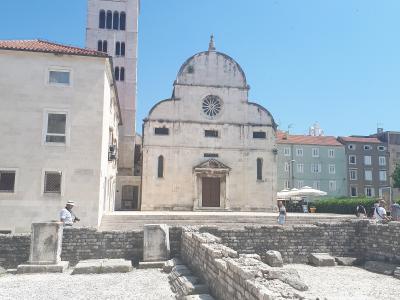
12th-century Benedictine monastery in Mljet National Park
Cultural Experiences · History & Heritage
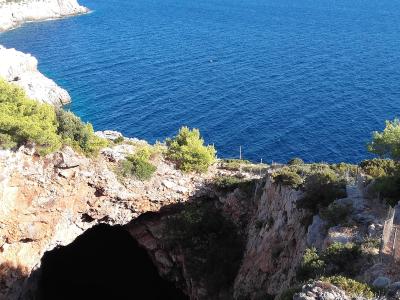
Odysseus Cave
Legendary cave where Odysseus was held captive
Natural Wonders · Caves
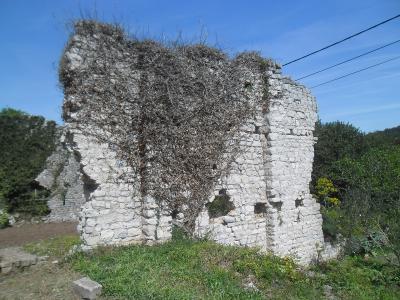
5th-century Roman Palace
5th-century Roman palace with waterfront towers
History & Heritage · Ancient Sites
Questions people ask
Quick Facts
Best Time to Visit
June to September offers warm, sunny weather and ideal swimming conditions; May and October are quieter with pleasant temperatures for outdoor activities.