




Ancient Greek Stone Wall (Agroter)
Ancient Greek Stone Wall (Agroter)
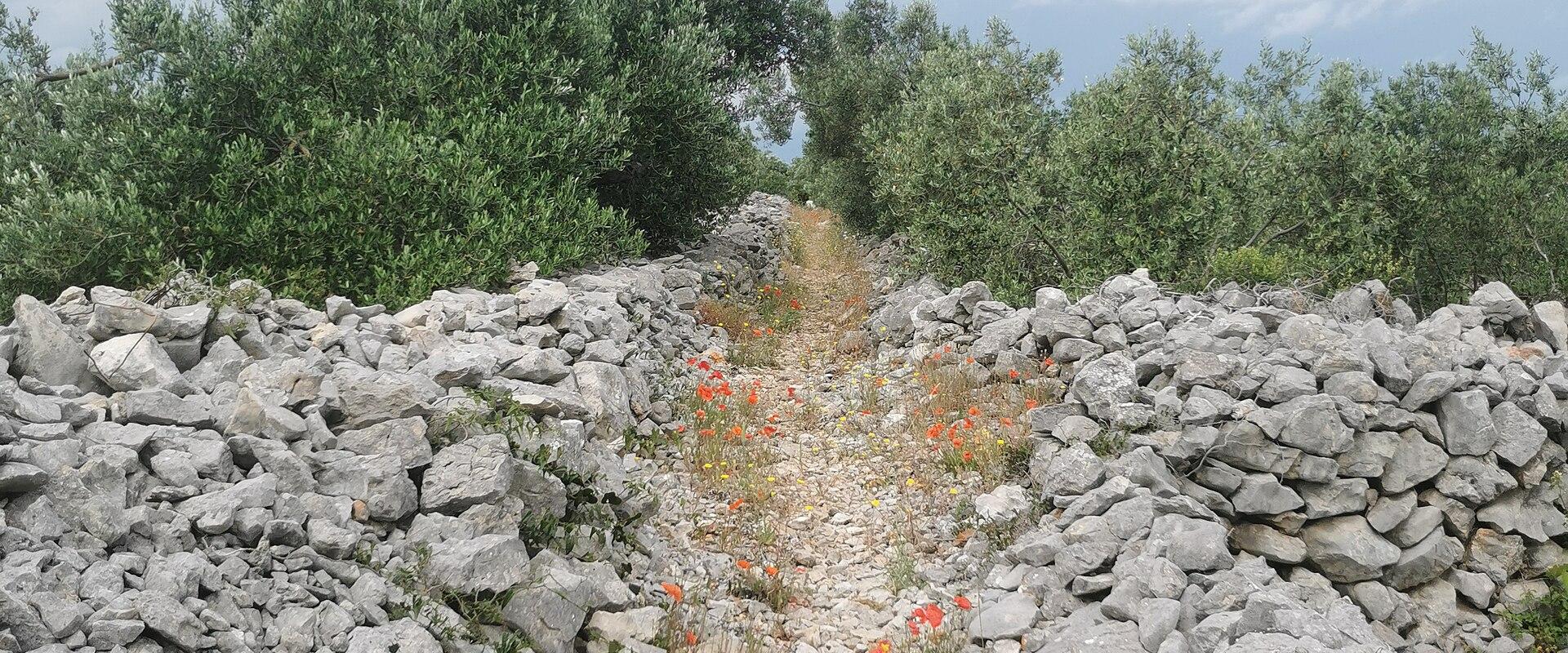
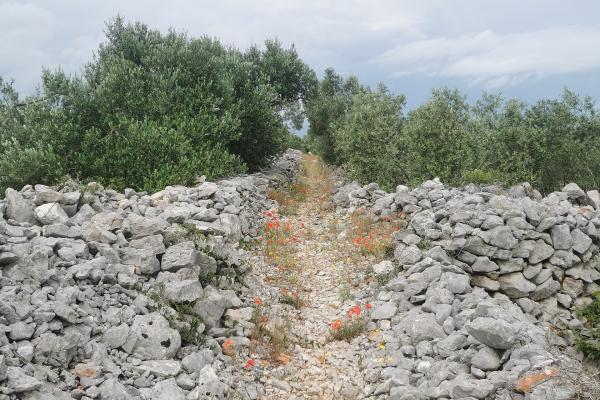
The ancient stone walls, known locally as agron, are a defining feature of the Stari Grad Plain, a UNESCO World Heritage site that preserves one of the best examples of ancient Greek land division. These structures, built by Greek colonists who arrived in 384 BC, are not merely decorative but serve a functional purpose in the agricultural landscape. The walls are constructed using a dry-stone technique, where stones are carefully interlocked without the use of mortar or binding agents. This method relies on gravity and precise placement to withstand the region’s harsh climate, including strong winds, over two millennia.
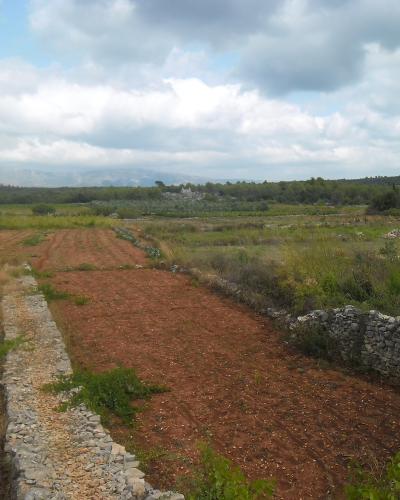
Visitors exploring the plain will notice these low stone barriers dividing the fertile land into rectangular plots. The walls are built from local limestone, a material readily available in the environment, and they effectively demarcate the private fields of local farmers. This ancient system of land division, known as chora, reflects the sophisticated agricultural practices of the ancient Greeks. The walls are not just boundaries but also serve as windbreaks, protecting the crops, particularly grapes and olives, from the strong local winds. Walking through the plain, visitors can observe how these ancient structures continue to shape the landscape, blending seamlessly with the natural environment. The preservation of these walls offers a tangible connection to the past, allowing visitors to appreciate the enduring legacy of ancient agricultural techniques in the modern landscape.
Categories
More photos coming soon
Nearby Attractions
Other places to visit in Stari Grad
Frequently Asked Questions
Quick Facts
Best Time to Visit
June through September offers warm, sunny weather ideal for exploring the island.