







Stari Grad Plain (Starogradsko polje)
- Hours
- Open access to the landscape.
- Where
- Stari Grad, Dalmatia
- Directions
- Directions
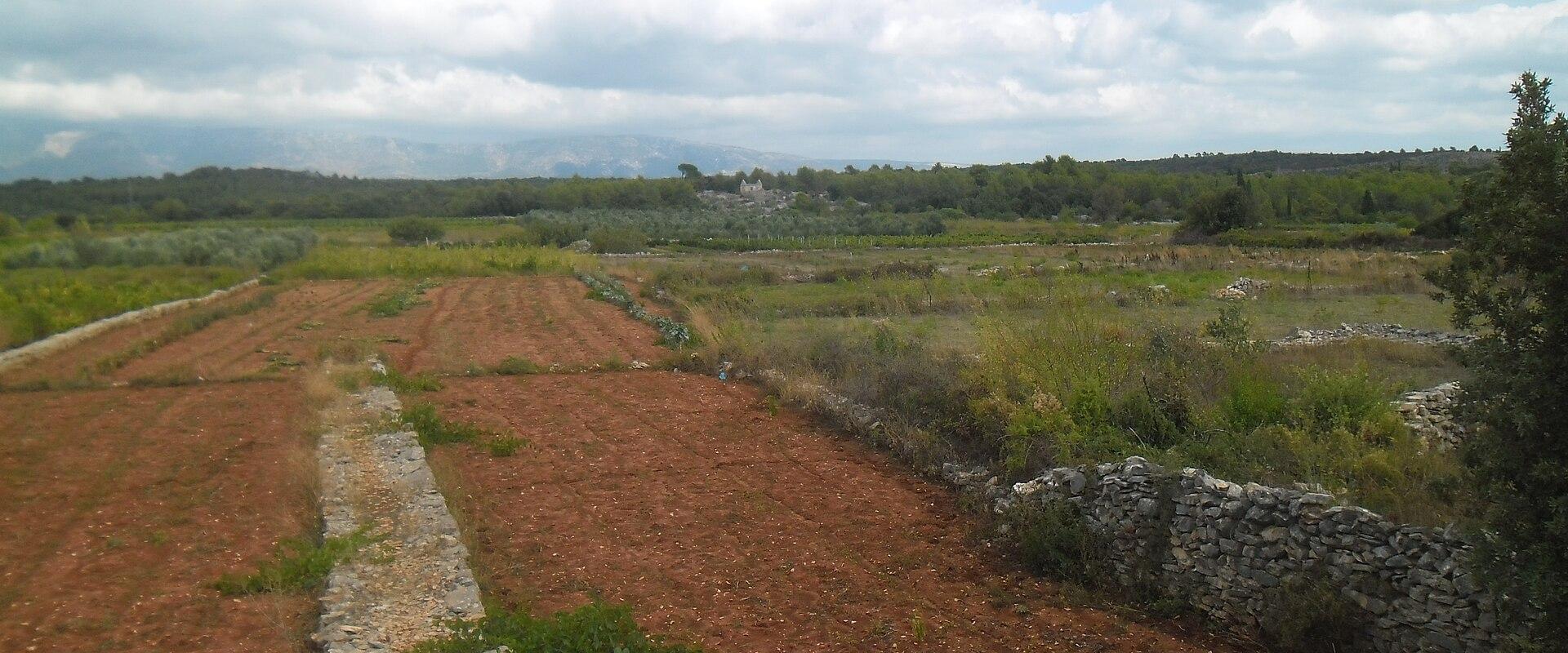
The Stari Grad Plain, called Starogradsko polje in Croatian, is a fertile expanse of farmland in the middle of the island of Hvar, and it is one of the best-preserved ancient agricultural landscapes in the Mediterranean. It was inscribed on the UNESCO World Heritage List in 2008, because the pattern of the fields laid out by Greek colonists more than 2,400 years ago can still be seen and is still in use. In 384 BC, settlers from the island of Paros founded a colony here, which they called Pharos, on the shore of a long, narrow bay, and one of their first tasks was to divide the fertile plain behind it among the colonists. They did this in a regular geometric way, marking out rectangular plots called chora, which were separated by long dry stone walls running in straight lines across the plain.
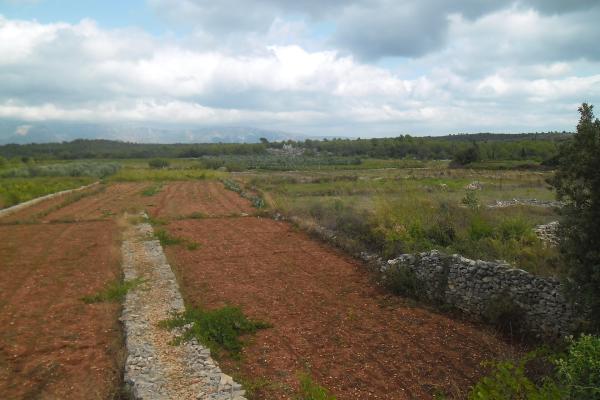
The system has survived with remarkable continuity. The plain covers about 1,376 hectares, which makes it the largest single stretch of arable land on the Adriatic islands, and it is divided into dozens of parcels, with the original grid still visible in the landscape. The dry stone walls, built without mortar from the stones cleared from the fields, have stood for centuries and are still maintained, and small stone shelters called trims, used by farmers to store tools and to find shade, are scattered among the fields. The soil is fertile, built up from ancient deposits, and the land is still farmed with traditional crops, particularly grapes and olives, as well as vegetables and herbs. Some of the olive trees and vineyards are very old, and the combination of ancient layout and living agriculture is what gives the site its value.
Walking and cycling are the best ways to explore. Quiet tracks run through the fields, and a day on the plain gives a sense of the work of farming and the way the land has been shaped. The landscape is peaceful, with stone walls, vines, olive groves and the sound of insects, and in the distance there are the hills of the island and the sea. Archaeologists have identified more than a hundred sites on the plain, from Greek and Roman buildings to later farms, and some information panels explain what can be seen. Spring brings fresh green and wildflowers, autumn the grape and olive harvests, and in summer the heat is strong, so go early or late and carry water.
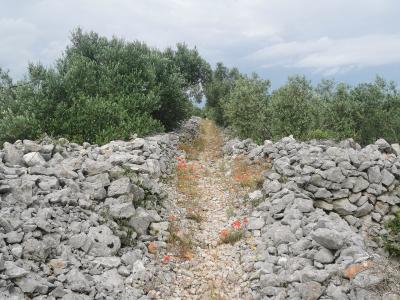
The nearby town of Stari Grad is the natural starting point. Its old centre, with narrow streets, the fortified house called Tvrdalj of the poet Petar Hektorović, the market square and the harbour, gives a sense of a town that has been continuously inhabited since the Greek foundation. The ancient Greek stone wall, known as the Agroter, is one of the best places to see the original boundaries. Hvar Town and the Pakleni Islands lie on the other side of the island.
The plain suits history lovers, cyclists, walkers and photographers. Respect the work of local farmers, do not climb on the walls and keep to the paths. Allow two to three hours.
More photos coming soon
Opening Hours
- Open
- Open access to the landscape.
Hours and prices change, especially out of season. Check with the venue before you go.
Nearby Attractions
Other places to visit in Stari Grad
Ancient Greek Stone Wall (Agroter)
Cultural Experiences · History & Heritage
Pakleni Islands
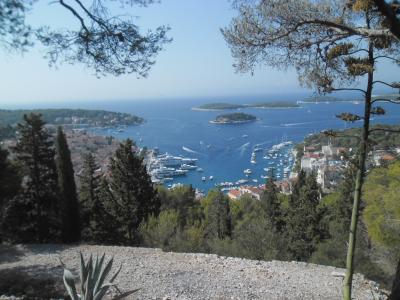
Wooded isles near Hvar Town, Croatia
Free Beaches · Hiking Trails
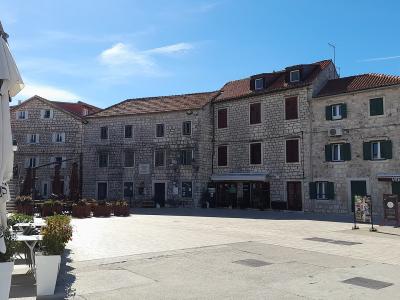
Stari Grad Market Square (Trg sv. Stjepana)
City Centers · Historic Churches
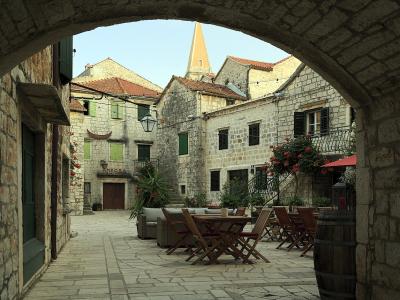
Stari Grad Old Town
Stari Grad Old Town Center
Ancient Sites · City Centers
Questions people ask
Quick Facts
Best Time to Visit
June through September offers warm, sunny weather ideal for exploring the island.