







- Where
- Mali Lošinj, Kvarner
- Directions
- Directions
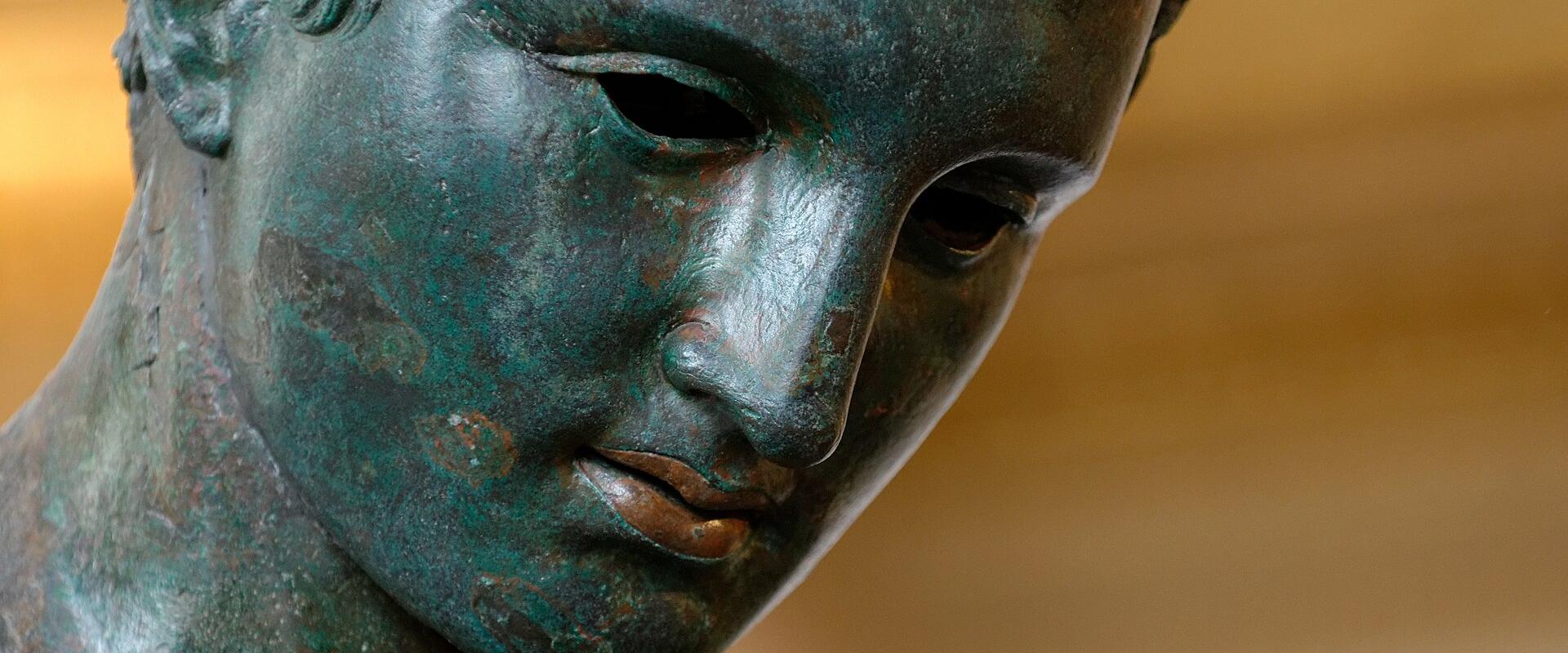
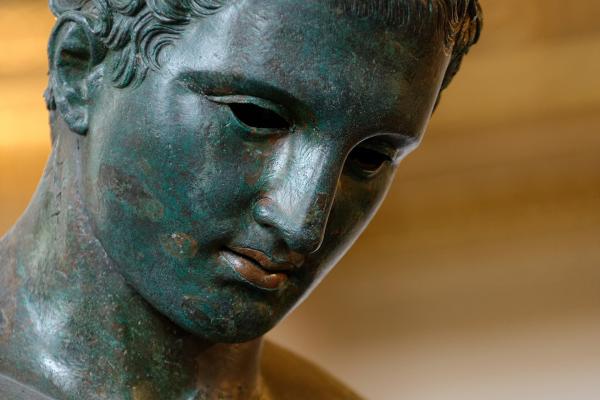
The Apoxyomenos Museum in Mali Lošinj is built around a single extraordinary object, a bronze statue of an ancient Greek athlete that was found on the seabed off the island of Lošinj. The statue is known as the Apoxyomenos, a Greek name that means the one who scrapes himself, because it shows a young athlete using a curved tool called a strigil to scrape oil and dust from his skin after exercise or competition. It was made in the 2nd or 1st century BC and is a copy or version of a famous work of the sculptor Lysippos from the 4th century BC. It stands about 192 centimetres tall, which is slightly larger than life, and it is one of the best preserved large Greek bronzes ever recovered, with details such as the hair, the muscles and the veins still clear.
The discovery was made in 1996, when a tourist diving near a small island called Vele Orjule noticed a hand reaching out from the sand on the seabed, at a depth of about forty-five metres. Archaeologists later recovered the statue in 1999, and it was then taken for restoration, which took around six years, because it had to be cleaned of salt and marine growth and stabilised so that it could be displayed. The work was done by specialists in Croatia, and the statue was then shown in exhibitions in several countries before returning to its permanent home. The statue is regarded as one of the most important archaeological finds on the Croatian coast, and its discovery shows how much of the ancient world still lies beneath the Adriatic.
The museum, which opened in 2016, is housed in the Kvarner Palace, an elegant late 19th-century building in the town centre that was once a hotel. Its modern interior is designed as a journey, telling the story of the statue from its creation in the ancient world to its sinking, its rediscovery and its conservation. Multimedia displays, models, dramatic lighting and carefully planned spaces create an immersive atmosphere, and the exhibition covers the world of ancient Greece, athletic culture and underwater archaeology. The statue itself is the climax, displayed in a special room where visitors can see it from several sides. The museum is praised for its engaging approach, and it works well for both adults and children, with interactive elements that hold young visitors' attention.
Opening times and ticket prices change with the season, and the museum usually opens for longer hours in summer, with reduced rates for students, seniors and groups and free entry for young children, so it is wise to check before going. Mali Lošinj has other things to see nearby, including the Fritzi Palace, which houses the Museum of Lošinj, the historic villas of Čikat Bay, the narrow streets of the old town and the Footpath of Vitality along the coast.
The museum suits history lovers, families and anyone curious about the sea. Allow about an hour, and visit early or late in the day to avoid the crowds.
Categories
More photos coming soon
Nearby Attractions
Other places to visit in Mali Lošinj
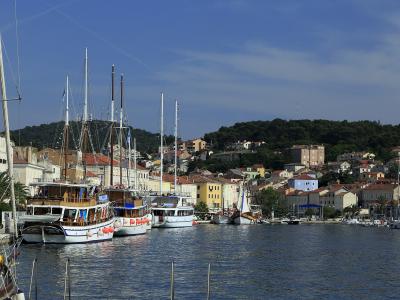
Port of Mali Lošinj
Scenic Adriatic port at Mali Lošinj island
Coastal & Maritime · Harbors
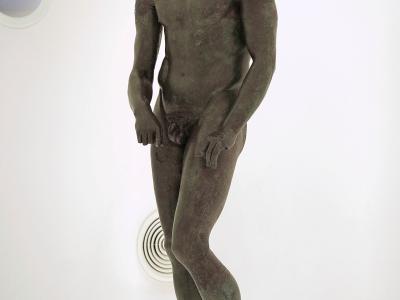
Museum of Apoxyomenos (Muzej Apoksiomena)
Ancient Greek bronze statue in Mali Lošinj
Cultural Experiences
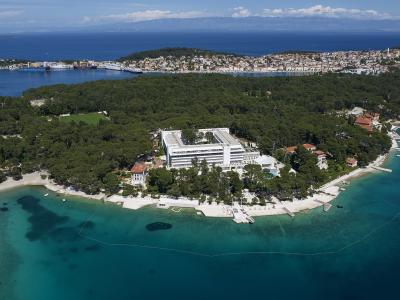
Historic Villas in Čikat Bay
Belle Époque villas of Austro-Hungarian elite
Cultural Experiences · History & Heritage
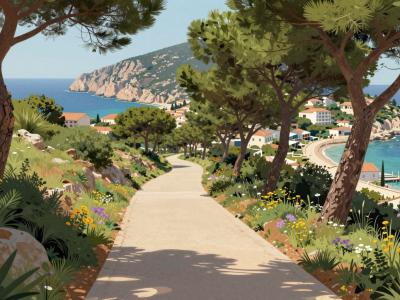
Footpath of Vitality
Scenic coastal trail linking Mali and Veli Lošinj
Activities & Adventure · Natural Wonders
Questions people ask
Quick Facts
Best Time to Visit
May to September offers warm weather, inviting sea, and lively events; spring and early autumn are quieter with pleasant temperatures for outdoor activities.