







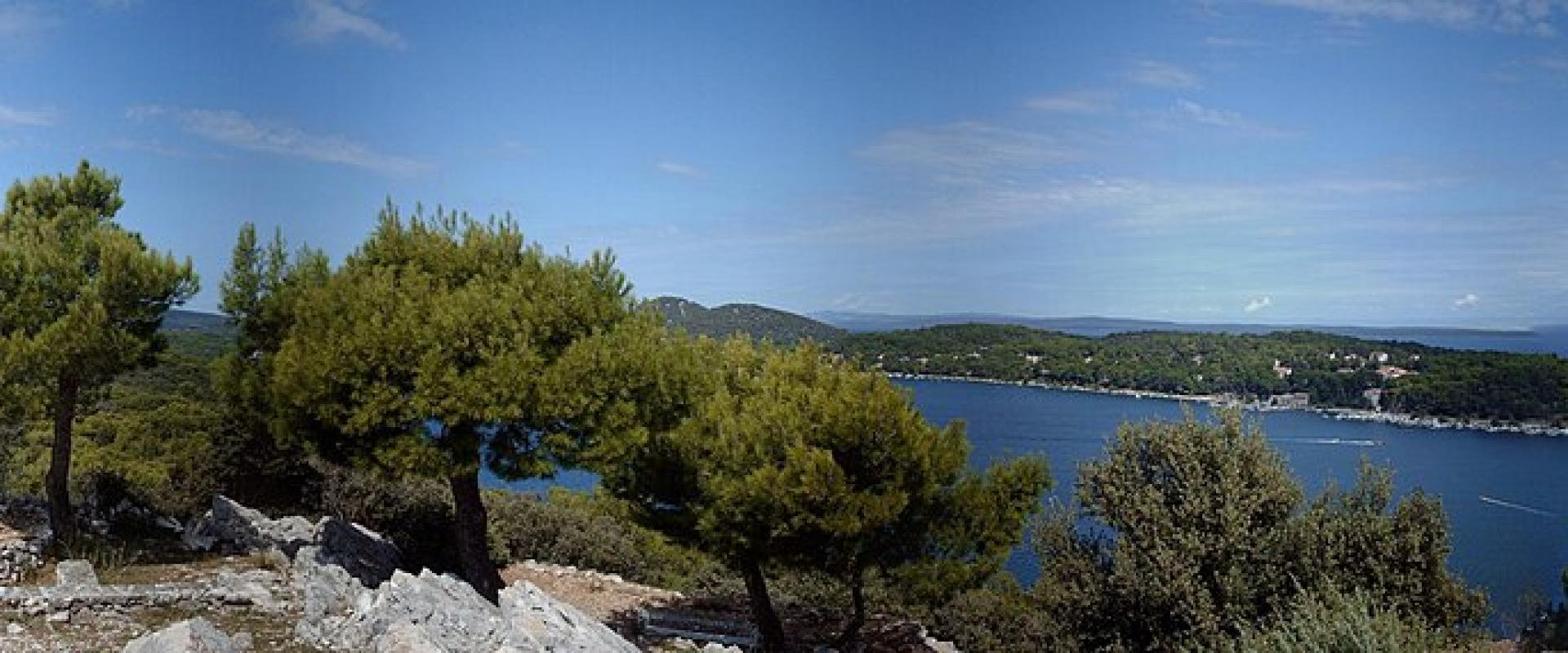
Mali Lošinj
Lošinj island’s largest town with dolphins, beaches, and maritime heritage
Mali Lošinj’s history stretches back to the Roman era, but it flourished as a shipbuilding and trading center in the 18th and 19th centuries, when local captains and shipowners built large sailing ships and traded across the Mediterranean. The town’s maritime heritage is reflected in its busy harbor, elegant villas and the Museum of Apoxyomenos, which houses a rare ancient Greek bronze statue discovered in local waters in 1996 and carefully restored. The statue shows a young athlete scraping oil from his skin, and it is one of the best-preserved ancient bronzes in the world. The Apoxyomenos Museum, in a restored palace on the harbor, presents the story of the find and the restoration, with clear displays. The Fritzi Palace, home to the Lošinj Museum, shows the island’s art and history, while the narrow streets of the old town are lined with cafes, boutiques and seafood restaurants.
The center of Mali Lošinj is its scenic waterfront promenade, where fishing boats, yachts and excursion vessels create a lively backdrop. The Port of Mali Lošinj is the busiest part of the town, and evenings are noisy with diners and strollers. The town’s beaches, such as Čikat Bay, Veli Žal and Sunčana Uvala, offer clear, shallow water that suits swimming, sunbathing and water sports. The island is famous for its dolphin population, and boat tours give chances to spot these playful animals in their natural habitat. Snorkeling, diving and kayaking are popular activities, with several dive centers offering excursions to shipwrecks and reefs. In Čikat Bay, a row of historic villas recalls the glamorous period of the late 19th century, when the Austrian aristocracy came for the cure.
Mali Lošinj is also a gateway to outdoor adventure. Hiking and cycling trails wind through pine forests and olive groves and up to scenic viewpoints overlooking the Adriatic and neighboring islands. The Providenca Theme Viewpoint offers wide views and educational panels, and the Footpath of Vitality, a scenic walking path with exercise stations, makes a good morning walk. The Fragrant Island Garden, Miomirisni otočki vrt, is a sensory garden of herbs and aromatic plants, and the island’s botanical gardens show Lošinj’s unique flora. The area’s mild climate and clean air have made it a renowned health resort since 1892, when Lošinj was officially recognised as a climatic health resort, and the pine forests are still planted and protected to preserve the air.
Cultural life in Mali Lošinj is lively, with festivals, concerts and community events that celebrate local music, cuisine and traditions. The town’s restaurants and konobas serve fresh seafood, lamb, homemade pasta and regional wines, best enjoyed with a view of the sunset over the harbor. Local markets and food festivals show the flavors of Kvarner and the islands, with scampi, olive oil and wild herbs, which makes Mali Lošinj a favorite for those who like food and wine.
Getting to Mali Lošinj is straightforward. The town is accessible by ferry from the mainland ports of Brestova and Zadar, with regular catamaran and bus connections to Rijeka and other regional centers. Brestova connects to Cres, and from Cres a road and a short bridge lead on to Lošinj. Accommodation options range from hotels and resorts to private apartments and campsites, catering to all budgets and preferences.
The best time to visit Mali Lošinj is from May to September, when the weather is warm, the sea is inviting and the town’s beaches, festivals and outdoor activities are in full swing. Spring and early autumn offer mild temperatures, fewer crowds and excellent conditions for hiking, cycling and sightseeing. Whether you seek relaxation, adventure or a taste of island life, Mali Lošinj offers a gentle and memorable Croatian island stay.
Best time to visit
May to September offers warm weather, inviting sea, and lively events; spring and early autumn are quieter with pleasant temperatures for outdoor activities.
What to see in Mali Lošinj
Our picks first.
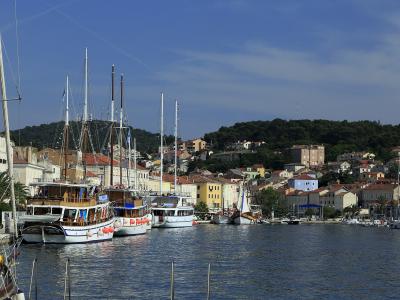
Port of Mali Lošinj
Scenic Adriatic port at Mali Lošinj island
Coastal & Maritime · Harbors
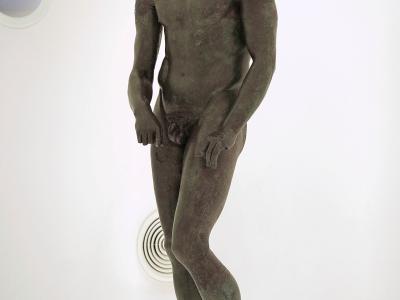
Museum of Apoxyomenos (Muzej Apoksiomena)
Ancient Greek bronze statue in Mali Lošinj
Cultural Experiences
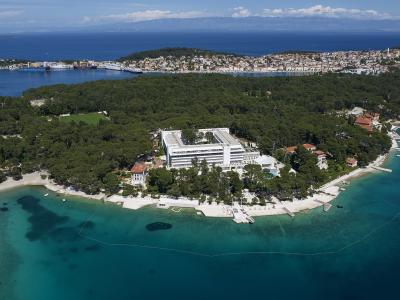
Historic Villas in Čikat Bay
Belle Époque villas of Austro-Hungarian elite
Cultural Experiences · History & Heritage
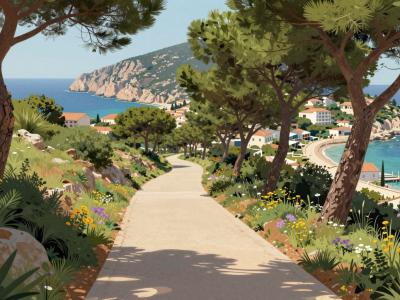
Footpath of Vitality
Scenic coastal trail linking Mali and Veli Lošinj
Activities & Adventure · Natural Wonders
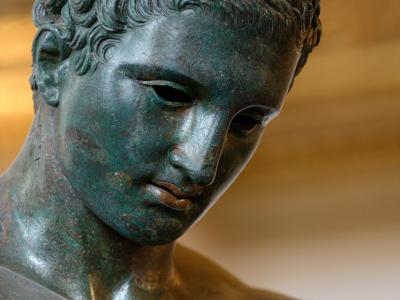
Apoxyomenos Museum
Museum housing ancient Greek bronze athlete statue
Cultural Experiences
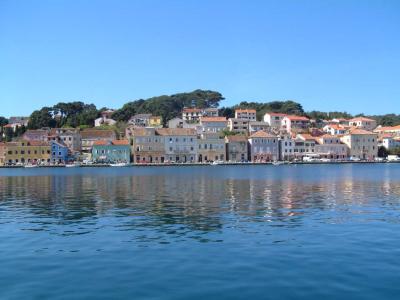
Fritzi Palace – Museum of Lošinj
19th-century palace housing Baroque and Croatian art coll...
Cultural Experiences
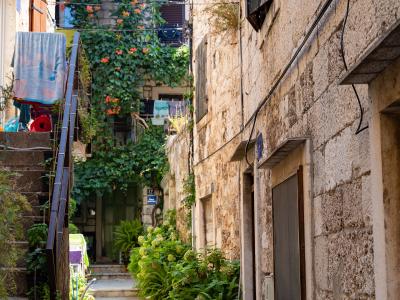
Narrow Streets
Narrow cobblestone streets weaving through historic Mali ...
Urban Exploration · Historic Districts
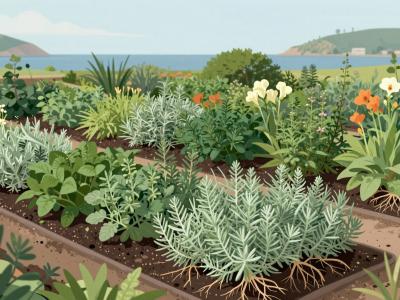
Fragrant Island Garden (Miomirisni otočki vrt)
Island garden with 250+ aromatic herbs and views
Cultural Experiences
Mali Lošinj by interest
The same sights, grouped by what you came for.
Did you know?
Checked facts about Mali Lošinj, each with its source.
-
Film & TV
French Comedy The Volcano Filmed in Mali Lošinj
The 2012 French comedy 'The Volcano' (Eyjafjallajökull), directed by Alexandre Coffre and starring Dany Boon, filmed in Mali Lošinj as well as at Lubenice and Beli on neighbouring Cres.
Source: Filming in Croatia (Croatian Audiovisual Centre) -
History
Tourism Here Began With a Sick Boy in 1885
On 21 January 1885 Dr Conrad Clar arrived in Mali Lošinj with his son Walter, who was recovering from a serious illness. Walter recovered within weeks, and the visit is celebrated as the start of tourism on Lošinj, which went on to become a climatic health resort.
Source: Lošinj Tourist Board – Lošinj 140
Planning a visit to Mali Lošinj
Itineraries that include Mali Lošinj
Good to know
- Currency
- EUR
- Language
- Croatian
Quick Facts
Book your stay
Questions people ask
More places in Kvarner
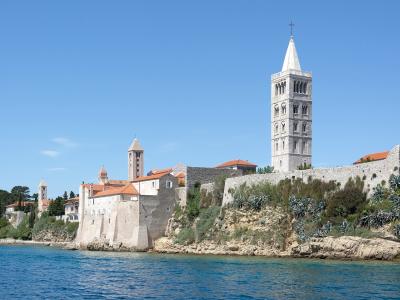
Kvarner
Rab Island
Sandy beaches, medieval towers, and vibrant island life
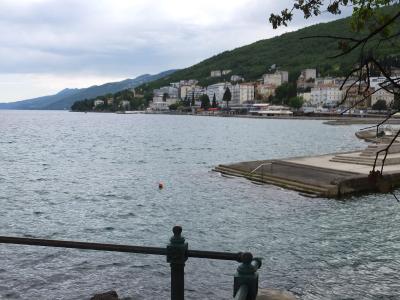
Kvarner
Opatija
Elegant Adriatic resort with historic villas and seaside promenades
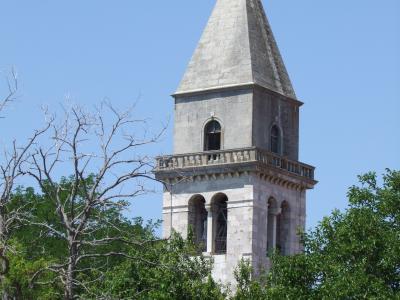
Kvarner
Cres Island
Wildlife-rich Adriatic island with ancient hilltop towns
Kvarner
Krk
Largest Croatian island connected to mainland by bridge