







Museum of Apoxyomenos (Muzej Apoksiomena)
Ancient Greek bronze statue in Mali Lošinj
- Where
- Mali Lošinj, Kvarner
- Directions
- Directions
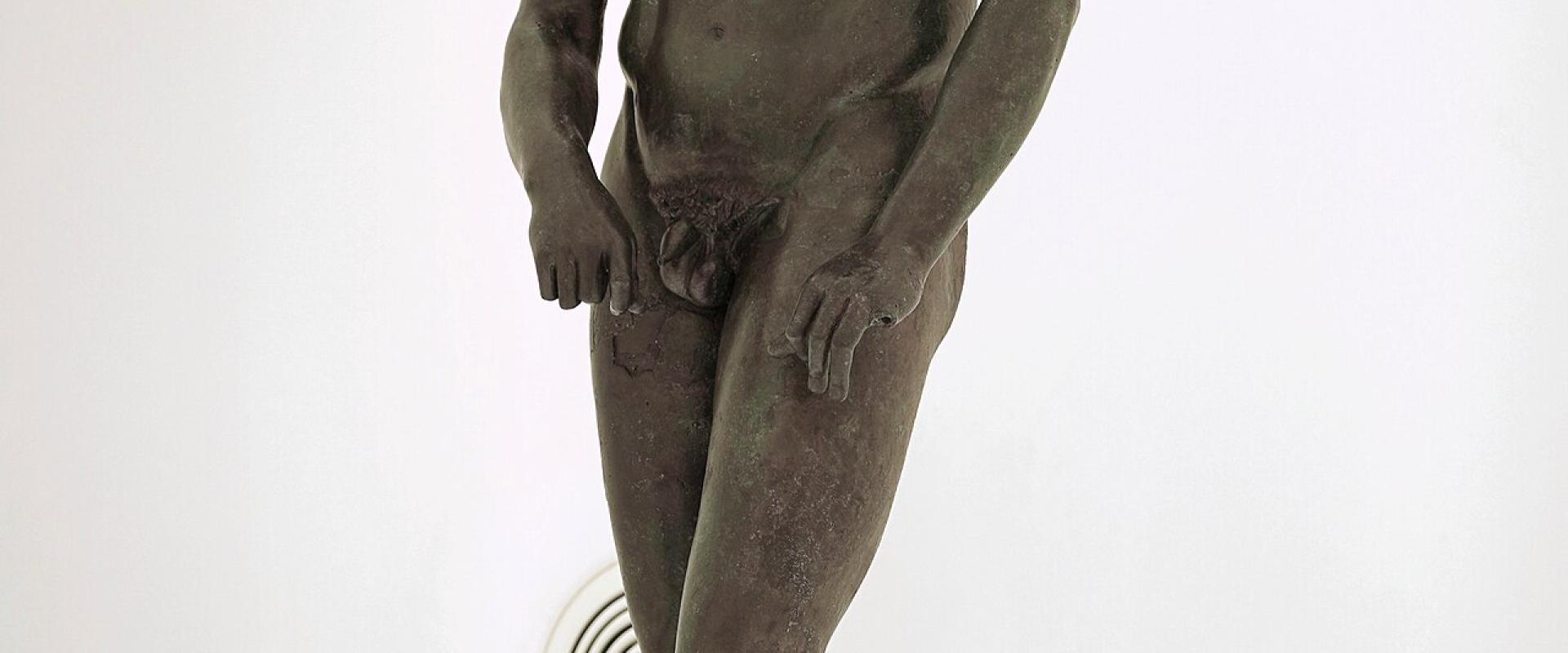
Muzej Apoksiomena in Mali Lošinj was built for a single object: the Croatian Apoxyomenos, a life-size ancient bronze of a young athlete. The museum occupies the historic Kvarner Palace on the town's harbour front, extended with a new addition designed by the architects Saša Randić and Idis Turato. Construction ran from 2009 to 2016, and the statue was in place by the spring of 2016.
The statue's story begins in 1996, when the Belgian diver René Wouters spotted it on the sandy seabed near the islet of Vele Orjule, south-east of Lošinj, at a depth of about 45 metres. He reported the find in 1998, and the bronze was raised on 27 April 1999. It then spent years in desalination and conservation, cleaned with mechanical tools rather than chemicals. Art historians date the figure to the 2nd or 1st century BC, and radiocarbon dating of material found inside the hollow bronze suggests it went into the sea sometime between 20 BC and AD 110.
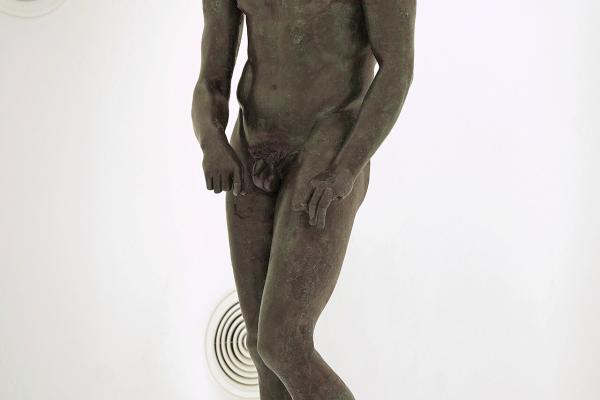
The figure stands 192 centimetres tall on its original 10-centimetre base. It shows the apoxyomenos type, an athlete scraping oil, sweat and dust from his body with a small curved tool called a strigil after competing. Only a few bronzes of this type survive, which is why the Lošinj statue toured widely before coming home: it was shown in Zagreb in 2006, at the Palazzo Medici Riccardi in Florence, in several Croatian cities, and at the Louvre in Paris in 2012 and 2013, and it won a Europa Nostra prize in 2007. In October 2007 Croatia's Council for Cultural Heritage decided that its permanent home would be Mali Lošinj, the town nearest to where it was found.
The museum is arranged as a slow approach to the statue. Rooms before the final hall tell the story of the discovery, the recovery from the seabed and the conservation work, so that by the time visitors reach the athlete they know where he lay and how he was brought back. The bronze itself stands alone in the last room, where it can be seen from all sides after nearly two thousand years on the seabed.
A visit fits easily into a walk along the Mali Lošinj riva, among the harbour's captains' houses and cafés, and takes an hour or less. It is the island's main indoor sight and a good choice for a day when the weather keeps people off the beaches.
Categories
More photos coming soon
Nearby Attractions
Other places to visit in Mali Lošinj
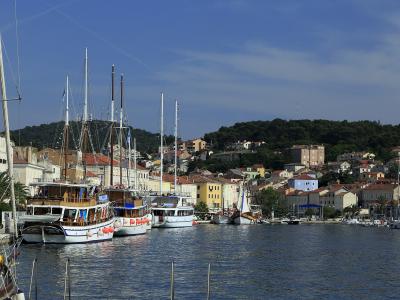
Port of Mali Lošinj
Scenic Adriatic port at Mali Lošinj island
Coastal & Maritime · Harbors
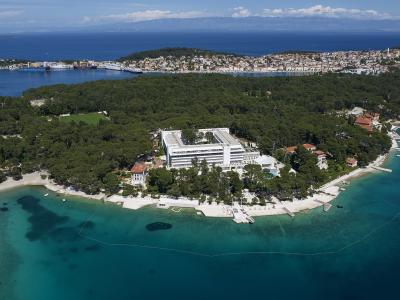
Historic Villas in Čikat Bay
Belle Époque villas of Austro-Hungarian elite
Cultural Experiences · History & Heritage
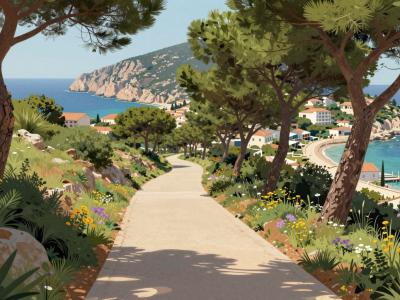
Footpath of Vitality
Scenic coastal trail linking Mali and Veli Lošinj
Activities & Adventure · Natural Wonders
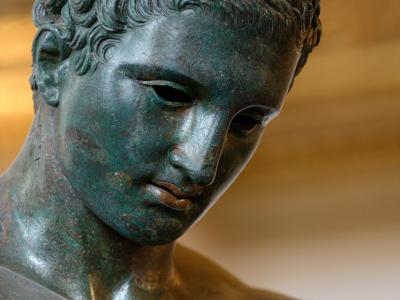
Apoxyomenos Museum
Museum housing ancient Greek bronze athlete statue
Cultural Experiences
Questions people ask
Quick Facts
Best Time to Visit
May to September offers warm weather, inviting sea, and lively events; spring and early autumn are quieter with pleasant temperatures for outdoor activities.