







Bio-ecological Station
Europe’s largest alluvial wetland and biodiversity hotspot
- Where
- Kopački Rit Nature Park, Baranja
- Directions
- Directions
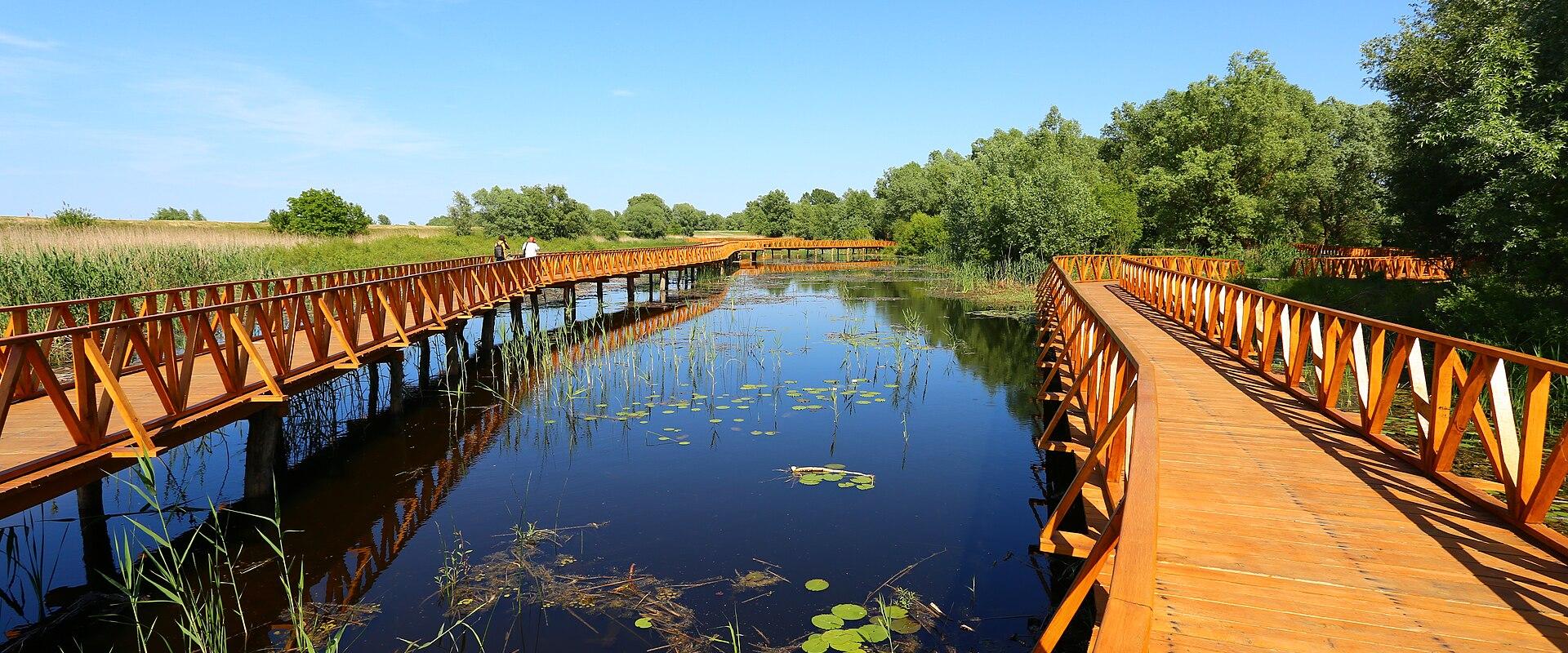
The Bio-ecological Station is the main visitor point of Kopački Rit Nature Park, in Baranja, in the northeast of Croatia, about seventeen kilometres from Osijek. Kopački Rit is a vast floodplain at the meeting of the Drava and the Danube, and it is regarded as one of the largest and best-preserved alluvial wetlands in Europe. It is a wetland of international importance under the Ramsar Convention, and its special zoological reserve is among the most important bird areas on the continent. The station near the entrance introduces visitors to this landscape before they set out on foot or by boat, and it is the best place to start.
What makes the area exceptional is its water. Every spring and early summer, the Danube rises and spills over its banks, flooding a huge area of meadow, forest and reedbed and filling it with fish and plankton. When the water recedes, it leaves a landscape of lakes, channels and swamp that changes with the seasons. This pulse of flooding drives an extraordinary web of life. The park supports hundreds of plant species and more than 280 species of birds, among them white-tailed eagles, black storks, great white egrets, herons, spoonbills and many ducks, as well as deer, wild boar, otters and a rich variety of fish such as pike and carp. For many Europeans, it is one of the last places where a natural river floodplain still behaves as it did in the past.
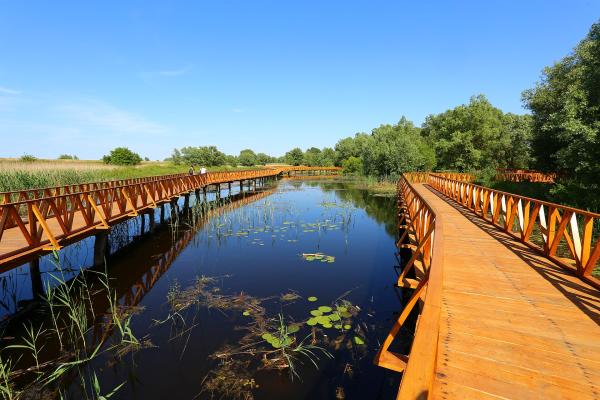
The station provides exhibits and interactive displays that explain the ecosystems, the role of floods and the importance of wetlands for biodiversity, and staff can answer questions and help visitors plan their time. From here, there are several ways to explore. Guided boat tours take visitors across Lake Veliki Sakadaš, where the Veliki Sakadaš pier is the departure point, and canoes can be rented for a quieter, closer look. Educational trails, such as the Bijeli Lopoč trail, lead along wooden walkways and paths through the reeds and woodland. Nearby, traditional wooden houses known as stanovi illustrate the older life of fishermen and herders in the area.
Seasons shape the visit. Spring and early summer bring the flood and nesting birds, autumn brings migration and golden light, and winter can offer peace and sometimes frozen channels. Binoculars, insect repellent in summer, sturdy shoes and a hat are useful. It is wise to check the water level and the tour schedule before travelling.
The station suits birdwatchers, photographers, families and school groups. Allow at least half a day, and combine it with a meal of local fish stew in Baranja.
Categories
More photos coming soon
Nearby Attractions
Other places to visit in Kopački Rit Nature Park
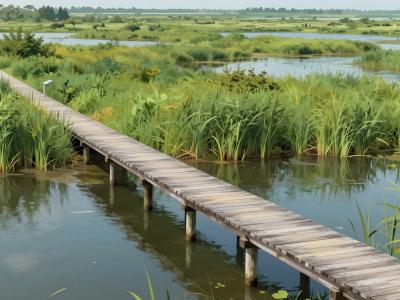
Veliki Sakadaš Pier
Wooden pier overlooking Europe's largest wetland
Coastal & Maritime · Harbors
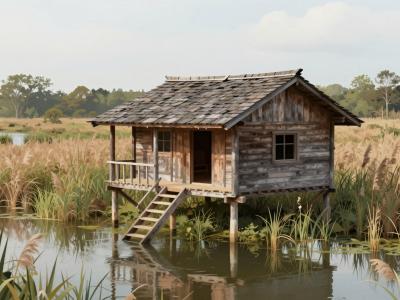
'Stanovi' Traditional Wooden Houses
Traditional wooden houses reflecting regional heritage
Cultural Experiences · History & Heritage
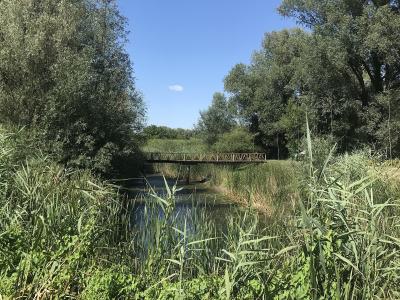
Kopački Rit Nature Park
One of Europe's largest and best-preserved wetlands
Activities & Adventure · Natural Wonders
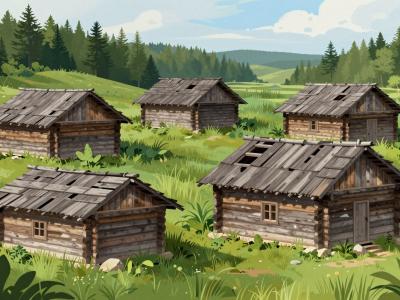
Traditional wooden houses ('stanovi')
Traditional wooden 'stanovi' in Kopački Rit wetlands
Cultural Experiences · History & Heritage
Questions people ask
Quick Facts
Best Time to Visit
March to October for mild weather and optimal wildlife viewing in the wetlands.