







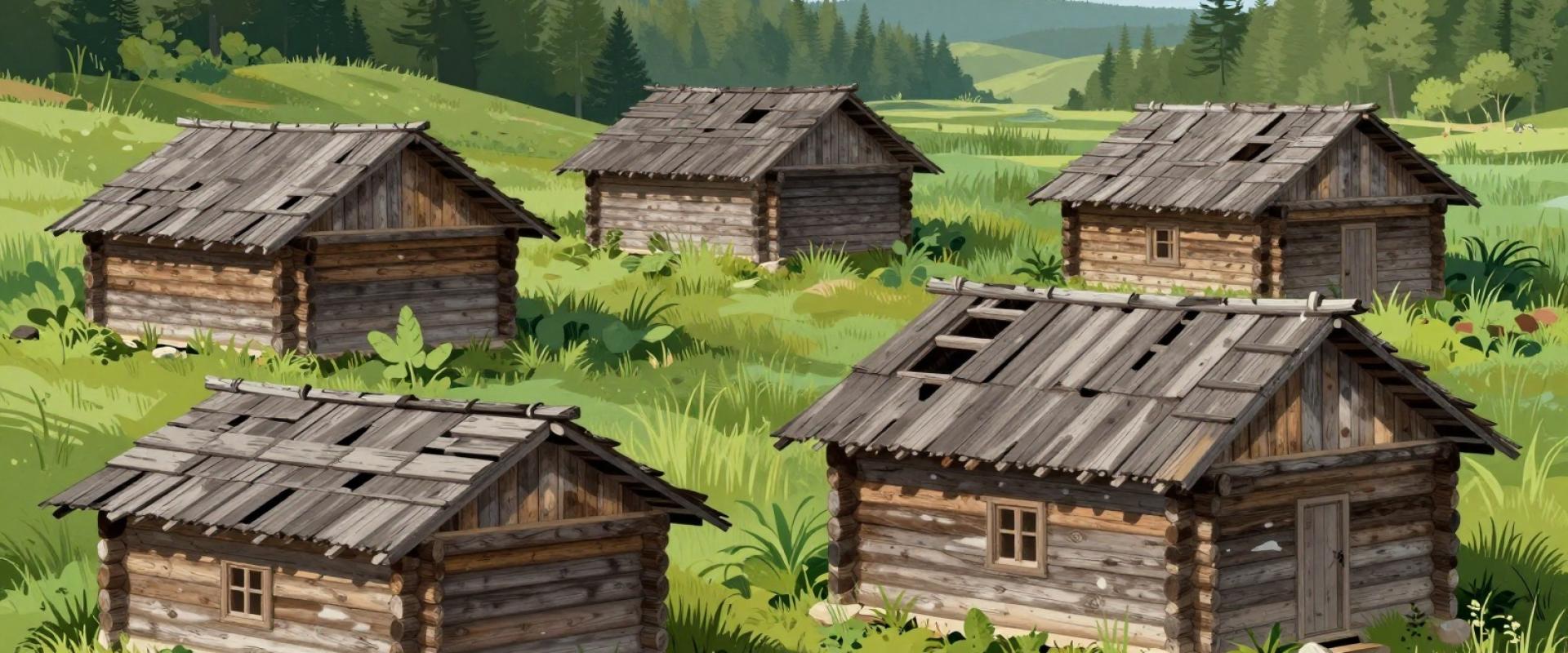
Traditional wooden houses ('stanovi')
Traditional wooden 'stanovi' in Kopački Rit wetlands
- Where
- Kopački Rit Nature Park, Baranja
- Directions
- Directions
Stanovi, the traditional wooden houses of Kopački Rit Nature Park, are a feature of Kopački Rit, the great floodplain between the Drava and the Danube in Baranja, in the far east of Croatia. The word means dwellings, and it describes the simple timber huts and cottages that fishermen, herders and reed cutters once used on the edge of the wetlands. They survive as small reminders of a way of life that depended on the river and its floods.
To understand them, it helps to know what Kopački Rit is. It is one of the largest preserved natural floodplains in Europe, a mosaic of lakes, channels, reed beds and flooded forests whose character changes dramatically with the seasons. In spring, when the Danube rises, water spreads across the plain and covers large areas, creating a shallow inland sea full of fish, and in summer and autumn the water retreats, leaving meadows, mud and open ponds. The park is protected as a nature park and as a wetland of international importance, and it is famous for its birdlife, with large colonies of herons and cormorants, white-tailed eagles and black storks, among many others.
People adapted to this rhythm. Traditionally, fishermen lived in or near the wetlands for much of the year, setting nets and traps, and herders brought cattle to graze on the flooded meadows when the water went down. Reed was harvested for roofing and mats. The Stanovi were built to suit these activities, and their design reflects practical needs. They were typically raised slightly on higher ground or on posts to stay above the waterline, constructed of local timber, with roofs of reed thatch, and arranged simply inside, with a hearth, sleeping space and room for nets and tools. They blended into the landscape, so that from a distance they could look like part of the reeds.
Although visitors do not usually go to Kopački Rit just for the stanovi, since the main attractions are boat tours, birdwatching, observation towers and walks, encountering one adds a human dimension to the visit, and Kopački Rit’s human story is part of the park. Some are open to the public as part of educational displays, while others are private or used for park purposes. Information panels and guides can explain their history. The Veliki Sakadaš pier is a common starting point for boat trips, and the Bio-ecological Station has information on the ecology of the park.
The best seasons are spring and early summer, when the water level is high and birds are most active, and autumn for the colours. Bring binoculars, insect repellent and waterproof shoes, and book boat tours ahead in high season. The area suits nature lovers, photographers and anyone curious about rural traditions.
More photos coming soon
Nearby Attractions
Other places to visit in Kopački Rit Nature Park
Veliki Sakadaš Pier
Wooden pier overlooking Europe's largest wetland
Coastal & Maritime · Harbors
'Stanovi' Traditional Wooden Houses
Traditional wooden houses reflecting regional heritage
Cultural Experiences · History & Heritage
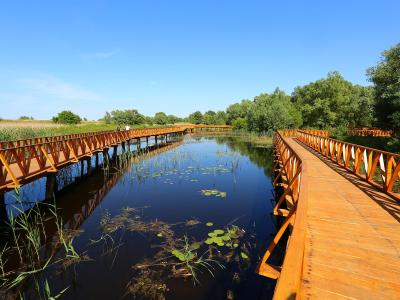
Bio-ecological Station
Europe’s largest alluvial wetland and biodiversity hotspot
Activities & Adventure · Natural Wonders
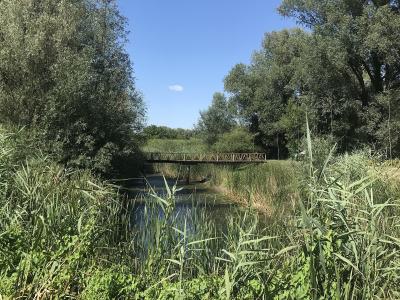
Kopački Rit Nature Park
One of Europe's largest and best-preserved wetlands
Activities & Adventure · Natural Wonders
Questions people ask
Quick Facts
Best Time to Visit
March to October for mild weather and optimal wildlife viewing in the wetlands.