








Kopački Rit Nature Park
One of Europe's largest and best-preserved wetlands
- Where
- Kopački Rit Nature Park, Baranja
- Directions
- Directions
Kopački Rit Nature Park lies in the far north-east of Croatia, in the angle where the Drava flows into the Danube, and it is among the largest and best-preserved river wetlands in Europe. The word rit means a reed bed or marsh, and the landscape is exactly that: a flat expanse of lakes, channels, reed beds and flooded forests that changes with the water. It is a protected nature park, a Ramsar Wetland of International Importance and part of the Mura-Drava-Danube Biosphere Reserve, and it is the main nature attraction of the Baranja region.
Water is the key. Each spring, as the Danube rises, floodwater spreads across the plain and fills the depressions, turning the area into a huge shallow lake that can cover most of the park. Fish move in to spawn, birds arrive to feed and breed, and the whole system comes alive. When the river falls, the water retreats and leaves behind lakes, marshes and muddy shores. Because the flooding has not been tamed by dams or embankments here, the cycle continues in a natural way, which is rare in modern Europe. The result is an extraordinary variety of life, including more than two hundred and fifty species of birds, many kinds of fish, otters, beavers, deer and wild boar.
Birdwatching is a highlight. White-tailed eagles, black storks, herons, egrets, cormorants, spoonbills and countless ducks and geese can be seen, with the greatest numbers in spring and autumn, when migratory birds stop to rest. Guided boat trips on the lakes and canals, walking trails, cycling routes and observation towers let visitors enjoy the landscape without disturbing the animals. The Veliki Sakadaš Pier is one of the main starting points for boat tours, the Bio-ecological Station supports research and education, and the traditional wooden houses known as stanovi show how people have lived on the floodplain.
The park also has a cultural side. In the late 17th century, after the end of Ottoman rule, the Baranja lands of the Belje Manor were given to Prince Eugene of Savoy, the great Habsburg general, and later passed to the Habsburg family, who used the area for hunting. The Tikveš manor and its forest, once a hunting lodge, are a legacy of that era, and the park still has stately old woods and a sense of the grand hunting estates.
Water levels change the experience from month to month, so check conditions and book boat tours before you go. Bring binoculars, insect repellent and layers, as it can be cool on the water even in summer. The park suits nature lovers, photographers and families, and a full day allows a boat trip and a walk.
Categories

More photos coming soon
Nearby Attractions
Other places to visit in Kopački Rit Nature Park
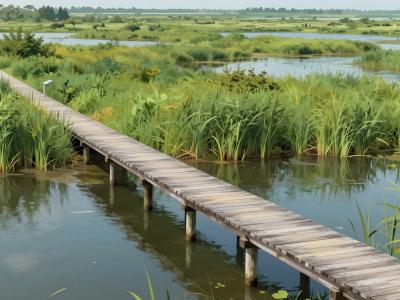
Veliki Sakadaš Pier
Wooden pier overlooking Europe's largest wetland
Coastal & Maritime · Harbors
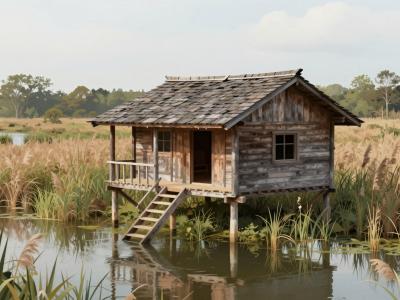
'Stanovi' Traditional Wooden Houses
Traditional wooden houses reflecting regional heritage
Cultural Experiences · History & Heritage
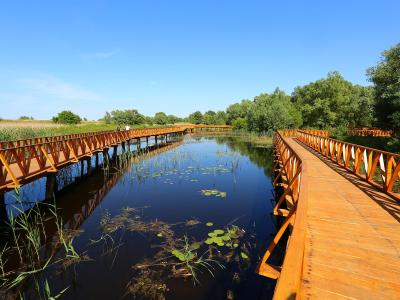
Bio-ecological Station
Europe’s largest alluvial wetland and biodiversity hotspot
Activities & Adventure · Natural Wonders
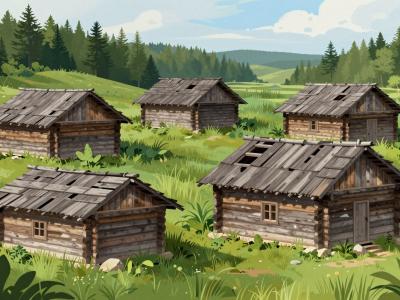
Traditional wooden houses ('stanovi')
Traditional wooden 'stanovi' in Kopački Rit wetlands
Cultural Experiences · History & Heritage
Questions people ask
Quick Facts
Best Time to Visit
March to October for mild weather and optimal wildlife viewing in the wetlands.