







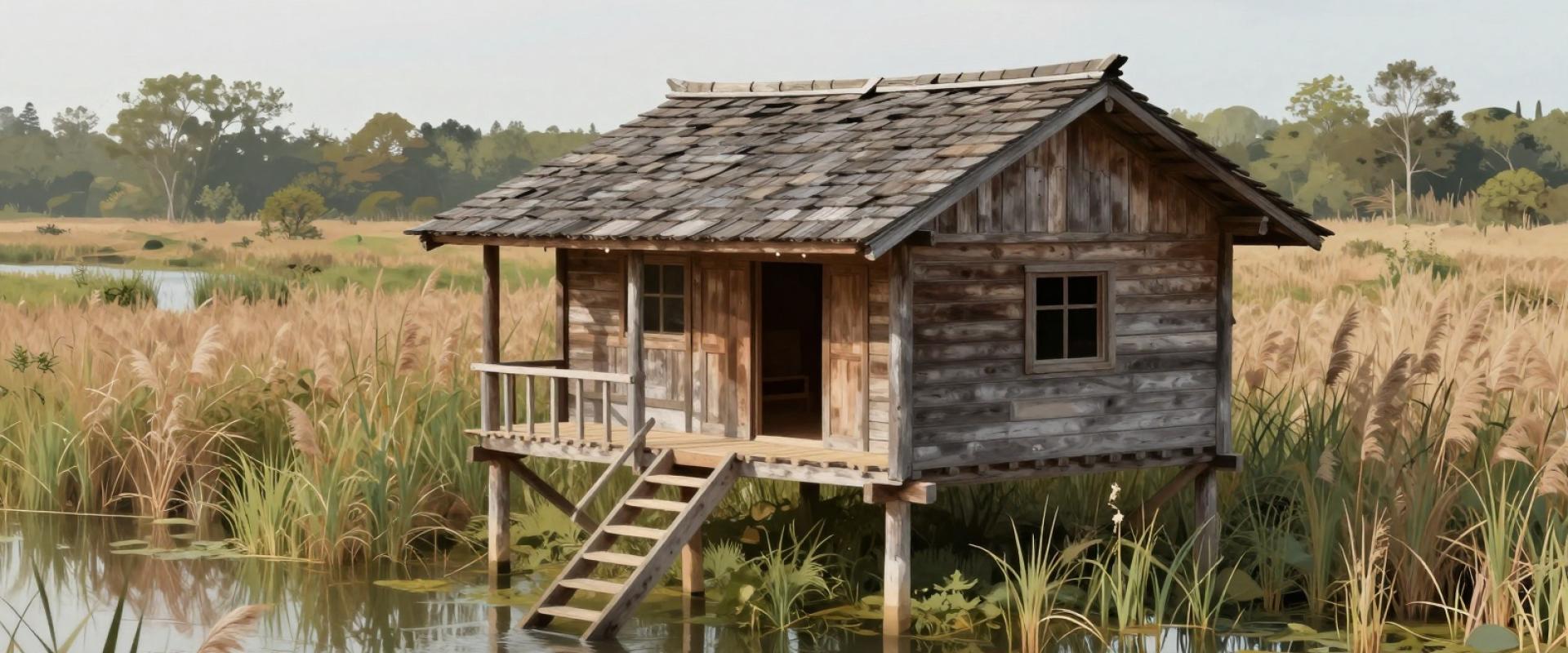
'Stanovi' Traditional Wooden Houses
Traditional wooden houses reflecting regional heritage
- Where
- Kopački Rit Nature Park, Baranja
- Directions
- Directions
Stanovi, a word that means dwellings, are the traditional wooden houses of the Kopački Rit Nature Park wetlands, in the Baranja region of eastern Croatia. They belong to a way of life that has almost disappeared: for generations, fishermen, hunters, herdsmen and reed cutters lived and worked in the floodplain between the Drava and the Danube, and in the marsh they needed simple, practical shelter that could survive the changing water. The stanovi were that shelter, and a few surviving examples now give visitors a window into life in the wetland.
The houses are built from local timber, mostly oak and willow, with reed or straw thatch for the roof, and their design shows an understanding of the environment. They are low, modest buildings with steep roofs to shed rain and snow, and they were set on higher ground, since in spring the Danube floods spread across the plain and turned the area into a vast shallow lake. Inside, there was usually a single main room with a hearth, benches and a place for drying nets and tools, and nearby sheds and fish traps made up a small working yard. The people who lived there were often seasonal residents, who moved between the marsh and the villages as the water rose and fell.
The stanovi reflect the closeness between people and nature in Kopački Rit. Fish from the lakes and channels fed families and supplied markets, game from the woods added to the table, and reeds were cut for roofing and fences. The wetland was, in effect, a living pantry and workplace. As conservation took priority and traditional uses declined, many of these houses were abandoned, and those that remain are valued as cultural heritage. They also help visitors to understand the park as a cultural as well as a natural landscape.
Visitors can reach the stanovi by walking trails or on a guided tour from the visitor centre, and park staff can explain what to see and where access is open. Water levels vary widely, so some paths may be flooded in spring. Other places in the park, such as the Bio-ecological Station, the lakes and the Veliki Sakadaš Pier, fit naturally into the same visit, and boat tours show the habitat that the houses once served.
The houses suit anyone interested in rural history, folk architecture or the human side of a nature park. Wear waterproof shoes, bring insect repellent in summer and ask at the visitor centre for current information.
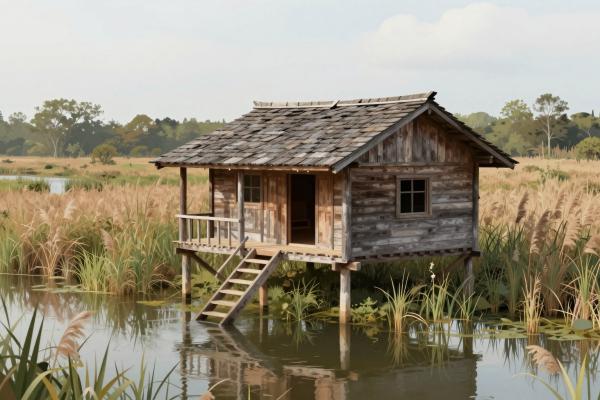
More photos coming soon
Nearby Attractions
Other places to visit in Kopački Rit Nature Park
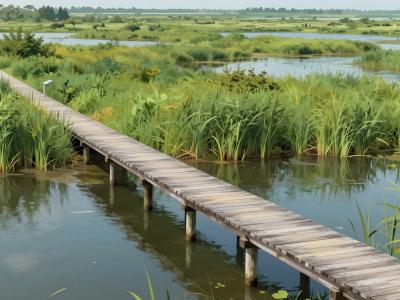
Veliki Sakadaš Pier
Wooden pier overlooking Europe's largest wetland
Coastal & Maritime · Harbors
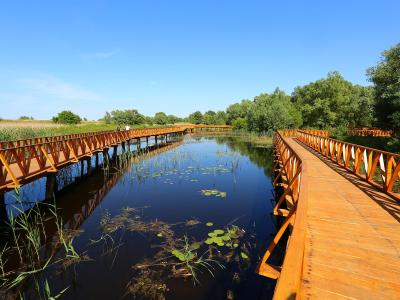
Bio-ecological Station
Europe’s largest alluvial wetland and biodiversity hotspot
Activities & Adventure · Natural Wonders
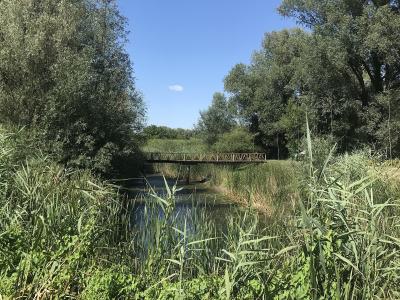
Kopački Rit Nature Park
One of Europe's largest and best-preserved wetlands
Activities & Adventure · Natural Wonders
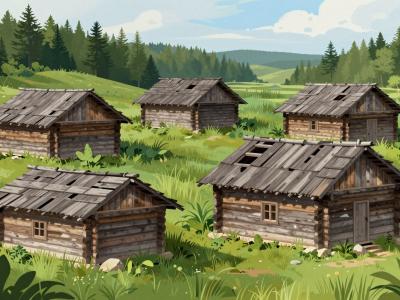
Traditional wooden houses ('stanovi')
Traditional wooden 'stanovi' in Kopački Rit wetlands
Cultural Experiences · History & Heritage
Questions people ask
Quick Facts
Best Time to Visit
March to October for mild weather and optimal wildlife viewing in the wetlands.