







Brijuni National Park
Adriatic islands with Roman ruins and safari wildlife
- Where
- Brijuni Islands, Istria
- Directions
- Directions
Brijuni National Park is an archipelago of fourteen islands and islets off the south-western coast of Istria, a few kilometres from the village of Fažana and the city of Pula, and it is protected as a national park for its landscape, wildlife and archaeology. Another entry in this guide covers the hotel on the largest island, and this one looks at the park as a whole and at how to visit it. The main island, Veliki Brijun, is about six kilometres long, and it is where most visitors go, since the smaller islands are mainly reserved for nature and for diving and boat excursions.
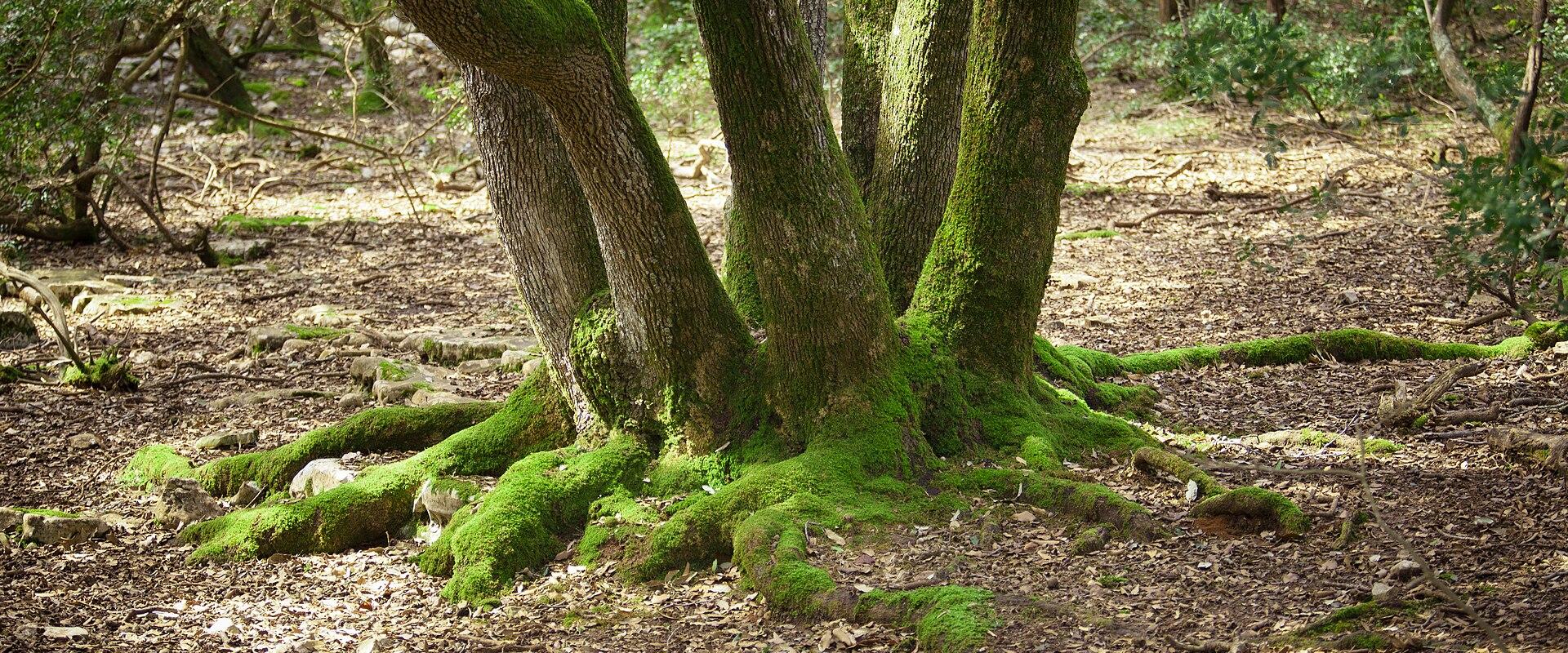
Access is by boat from Fažana, and tickets include the crossing, entry to the park and, usually, a tour. On arrival, visitors can take an organised tour on a small tourist train, rent bicycles or walk, and the road network on Veliki Brijun is quiet, since private cars are not allowed. The island is a mix of parkland, meadows and woods of holm oak and pine, with a rocky coast and small bays. Its landscape was shaped by a long period of careful management, beginning in the late nineteenth century and continuing through the decades when the islands were the private retreat of Yugoslavia's president, Josip Broz Tito, who received many heads of state and film stars here.
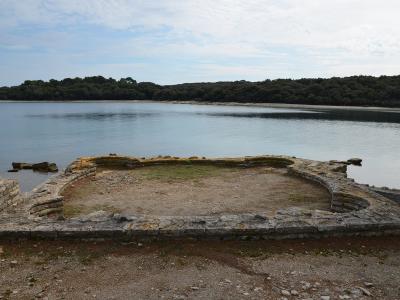
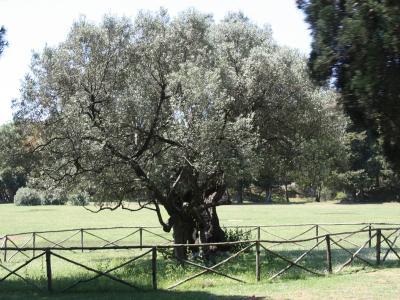
The archipelago has a long history, and archaeology is a central attraction. Roman builders created a large coastal villa complex at Verige Bay, with remains of baths, fish ponds and temples, one of the most important Roman sites on the Adriatic. A Byzantine fortress, called the Castrum, stands near the water, and traces of prehistoric settlements and Venetian-era buildings can be found. Dinosaur footprints, about a hundred million years old, are visible in the limestone near the shore, and an ancient olive tree that is said to be over a thousand years old, still bearing fruit, grows on the island. A museum devoted to Tito and an exhibition of the island's history explain the layers of the past.
The safari park is a well-known feature. Animals brought as diplomatic gifts to Tito, among them zebras, llamas and other species, live in an enclosure, and fallow deer and moufflon roam freely on the island. Other attractions include a golf course, an open-air theatre in an old fort on the island of Minor, where performances are held in summer, and opportunities for diving and snorkelling in protected waters. Fort Minor and the smaller islands, such as Sveti Jerolim and Mali Brijun, are used for quieter excursions.
Book in advance in summer, since numbers are limited, and check the timetable and prices, which vary by season. Bring sun protection, water, comfortable shoes and swimwear. The park suits families, history lovers, cyclists and nature enthusiasts. Allow a full day.
Categories
More photos coming soon
Nearby Attractions
Other places to visit in Brijuni Islands
The Byzantine Castrum
Byzantine Castrum: Multi-era archaeological site
History & Heritage · Castles
The Olive Tree on Brijuni
1600-year-old olive tree still bearing fruit
Cultural Experiences · Food & Gastronomy
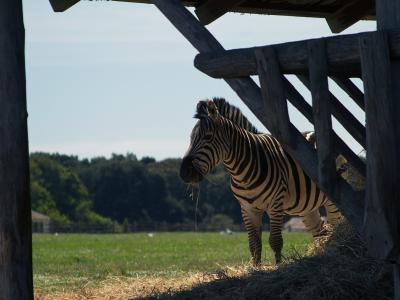
Safari Park
Safari Park with exotic and native wildlife
Activities & Adventure · Cultural Experiences
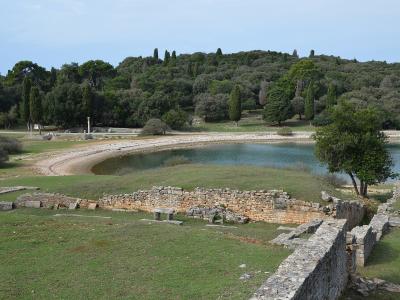
Verige Bay
Pristine bay within Brijuni National Park islands
Coastal & Maritime · Natural Wonders
Questions people ask
Quick Facts
Best Time to Visit
The optimal months to visit the Brijuni Islands are April to August for warm, sunny weather.