







- Hours
- 24 hours daily
- Where
- Brijuni Islands, Istria
- Directions
- Directions
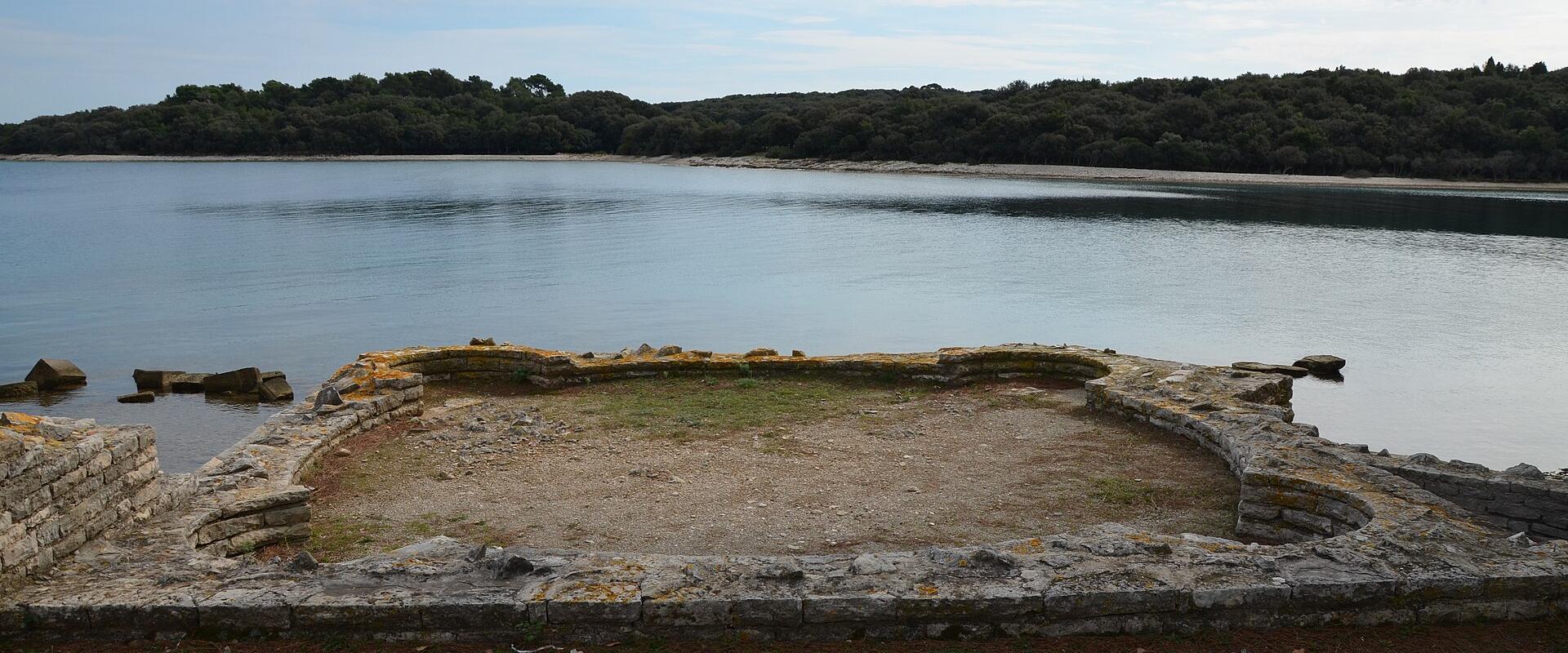
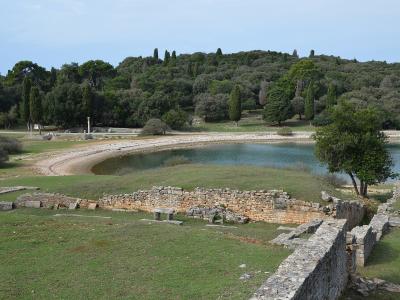
The Byzantine Castrum on Veliki Brijun is the richest archaeological area in Brijuni National Park, and it is a place where several periods of history lie in layers on one hillside. The site covers about one hectare and sits on the largest island of the archipelago, off the west coast of Istria, close to the town of Fažana. It was built as a fortified settlement, a castrum, in the 6th century, during the period when the Byzantine Empire reconquered parts of the Adriatic coast and strengthened its defences along the sea routes. The position gave a view over the surrounding channel, and the walls enclosed houses, a church and storage buildings.
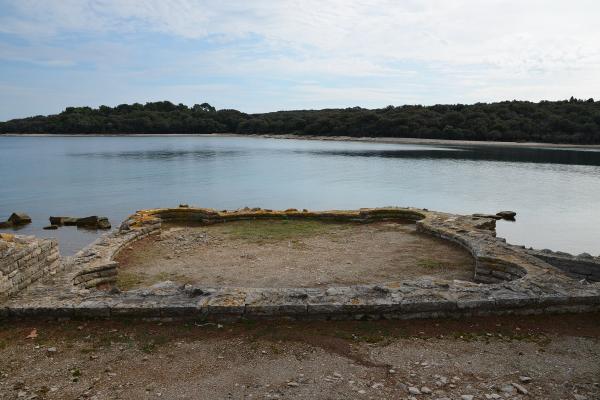
The story of the site is longer than the Byzantine phase. Archaeologists have found traces of occupation from the Roman Republic and Roman Empire, followed by Late Antiquity, the time of the Eastern Goths, and then the Byzantine period itself. After that came the Carolingian era and the long centuries under the Venetian Republic. The last traces of life in the castrum date from Venetian times. Walking through the remains, you can see foundations of walls, lanes and rooms, and the way later builders reused older stones. The ruins are modest in height, but the plan of the settlement is easy to read, and information boards help to separate the layers.
The castrum belongs to a wider archaeological landscape on the island. Verige Bay, on the west side, preserves the remains of a large Roman villa complex, while the island's famous olive tree, said to be well over a thousand years old, shows how long agriculture has shaped the place. Dinosaur footprints on the shore, the Safari Park and Tito's Museum, which recalls the years when Josip Broz Tito used the island as a residence, add very different layers to the day. The Hotel Neptun is among the older hotels still standing.
Getting there involves a boat from Fažana to Veliki Brijun, after which visitors can reach the castrum by following park signs or joining a guided tour. Many visitors take the tourist train or rent a bicycle to cover the distances. The site is open air and can be viewed at any time, and a typical stop lasts less than an hour, so it fits easily into a day on the island.
The castrum is aimed at history enthusiasts, archaeology fans and curious cyclists who like to stop at ruins between beaches and forests. Bring water and a hat, as the shade is limited, and wear sturdy shoes for uneven ground.
Categories
More photos coming soon
Opening Hours
- Open
- 24 hours daily
Hours and prices change, especially out of season. Check with the venue before you go.
Nearby Attractions
Other places to visit in Brijuni Islands
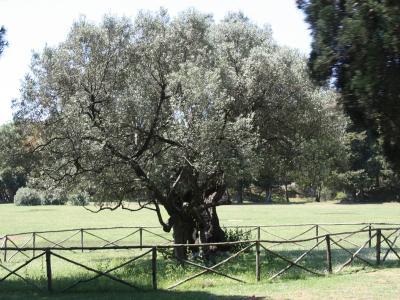
The Olive Tree on Brijuni
1600-year-old olive tree still bearing fruit
Cultural Experiences · Food & Gastronomy
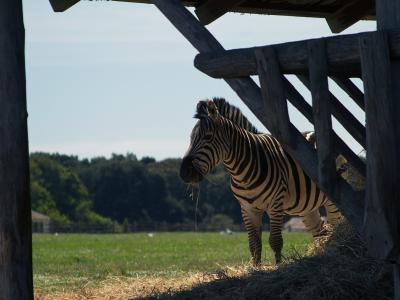
Safari Park
Safari Park with exotic and native wildlife
Activities & Adventure · Cultural Experiences
Verige Bay
Pristine bay within Brijuni National Park islands
Coastal & Maritime · Natural Wonders
Brijuni National Park
Adriatic islands with Roman ruins and safari wildlife
Coastal & Maritime · Natural Wonders
Questions people ask
Quick Facts
Best Time to Visit
The optimal months to visit the Brijuni Islands are April to August for warm, sunny weather.