







- Where
- Brijuni Islands, Istria
- Directions
- Directions
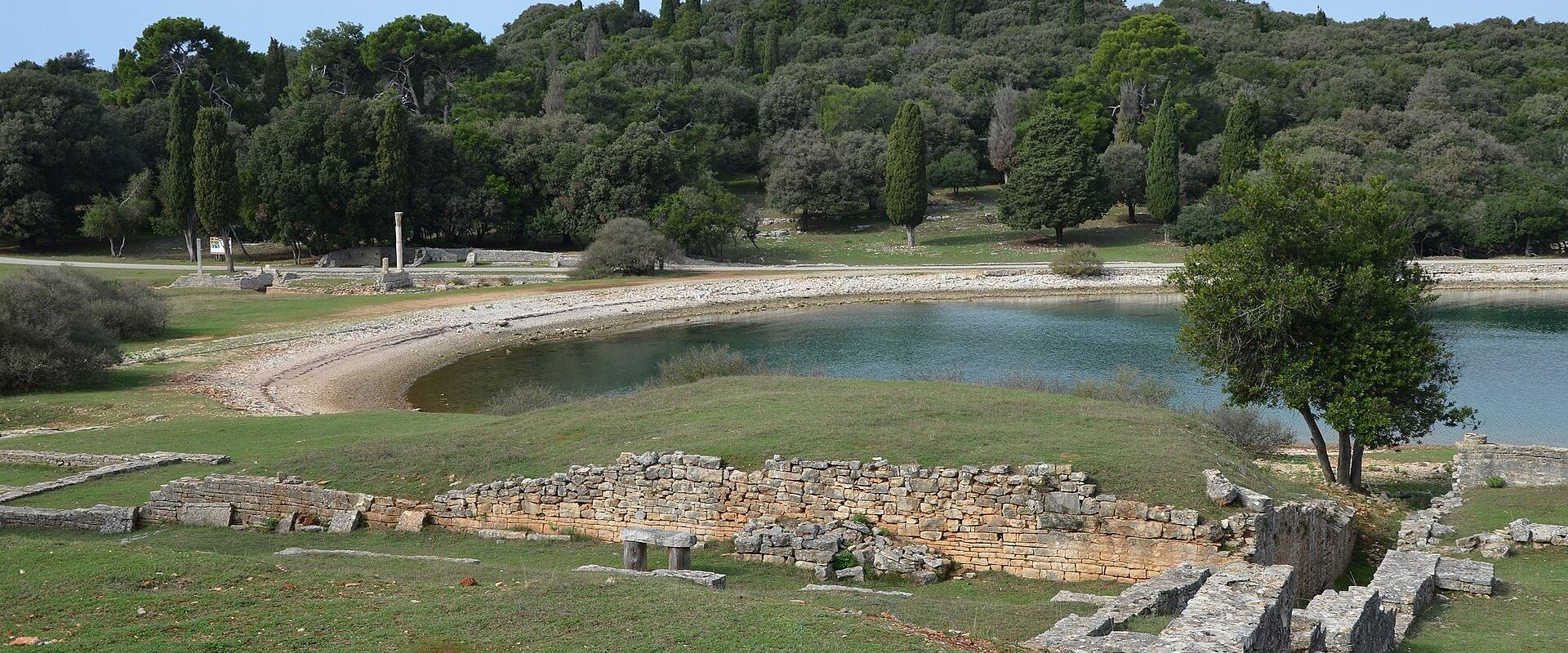
Verige Bay is an inlet on Veliki Brijun, the largest island of the Brijuni archipelago, off the Istrian coast of Croatia, and it lies within Brijuni National Park. The islands are a group of fourteen islands and islets close to the mainland near Pula, and Verige is one of the bays where nature, ancient history and the more recent past come together most visibly.
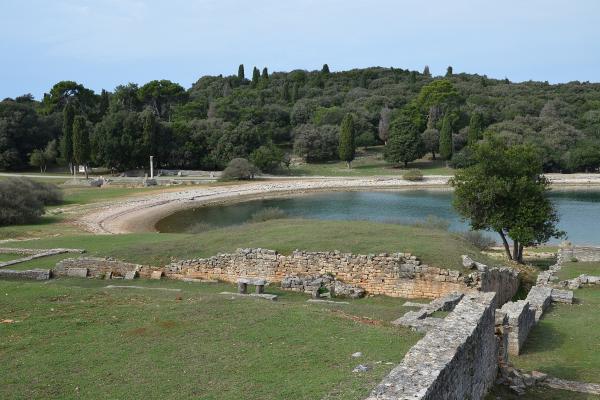
The bay’s greatest historical treasure is the Roman site on its shore. In the Roman period the shores of Istria were popular with wealthy landowners, who built large coastal estates, and Verige holds the remains of one of the most extensive. The ruins stretch along the water’s edge and include the outlines of a residence, service buildings and structures linked to the sea, such as fishponds, harbour works and storage areas. The walls that remain, although low, give a clear idea of the scale and the layout of the complex, and they are best seen from the paths that run along the shore. The setting, with calm blue water in front and green woodland behind, shows why the Romans chose the place.
Later history also left its mark. In the late nineteenth century the Brijuni Islands were bought by an industrialist who turned them into a fashionable health resort, and new hotels, gardens and planting were introduced. In the twentieth century the islands became the summer residence of Yugoslav president Tito, who received world leaders here, and now the whole archipelago is a national park. This layered past is part of why a visit to Verige is more than a swim or a walk.
Visitors usually arrive as part of a tour of the park. The standard way to reach the islands is by boat from the mainland, and on Veliki Brijun there are guided tours by small electric train, walking routes, bicycle hire and, in season, other activities, such as kayaking along the coast. A leisurely walk along the shore of the bay lets you enjoy the clear water, the scent of pines and holm oaks and the birdlife. Other sights on the island include the Byzantine Castrum, the dinosaur footprints, the Safari Park, Tito’s Museum, Hotel Neptun and the ancient olive tree, so the bay can be one stop in a full day.
Entry to the park is ticketed and arranged in advance, and summer visits are best booked early. Whether you plan to kayak, walk or simply sit by the water, bring sun protection, water and sturdy shoes. The place suits families, history lovers and anyone who wants to see one of Croatia’s best-preserved island landscapes.
Categories
More photos coming soon
Nearby Attractions
Other places to visit in Brijuni Islands
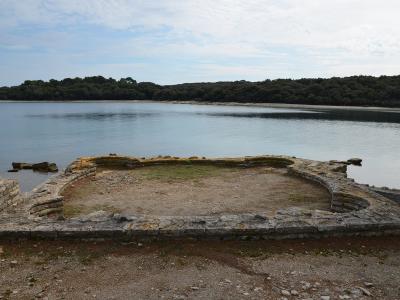
The Byzantine Castrum
Byzantine Castrum: Multi-era archaeological site
History & Heritage · Castles
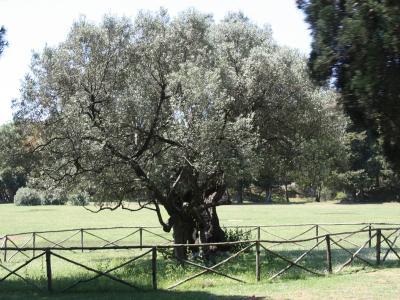
The Olive Tree on Brijuni
1600-year-old olive tree still bearing fruit
Cultural Experiences · Food & Gastronomy
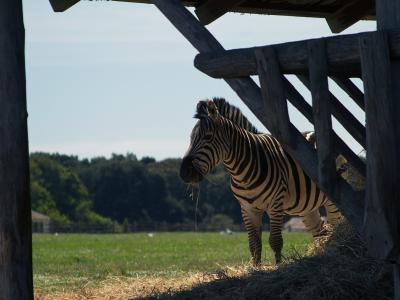
Safari Park
Safari Park with exotic and native wildlife
Activities & Adventure · Cultural Experiences
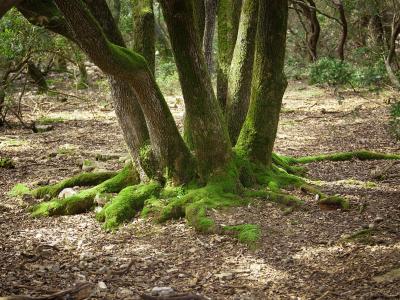
Brijuni National Park
Adriatic islands with Roman ruins and safari wildlife
Coastal & Maritime · Natural Wonders
Questions people ask
Quick Facts
Best Time to Visit
The optimal months to visit the Brijuni Islands are April to August for warm, sunny weather.