







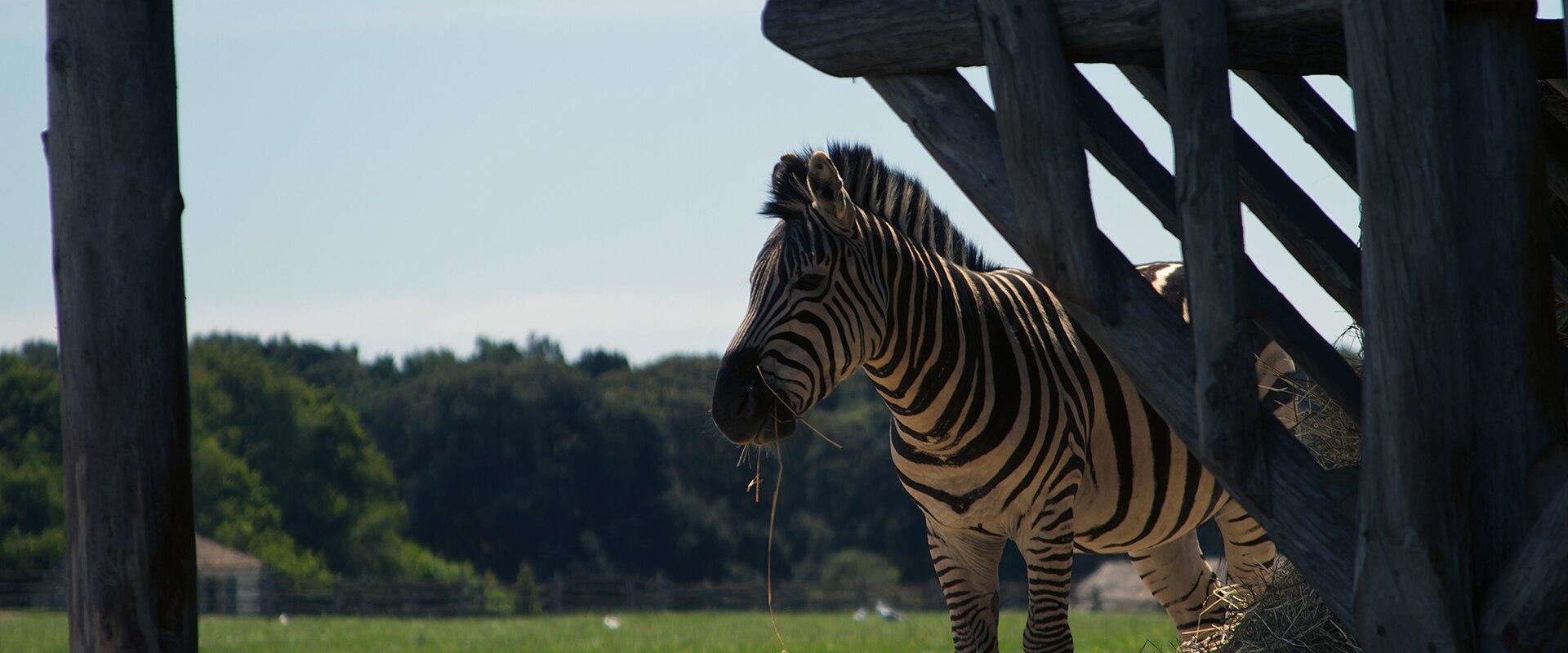
Safari Park
Safari Park with exotic and native wildlife
The Safari Park on Veliki Brijun is one of the most unusual attractions in Brijuni National Park, off the coast of Istria, and it owes its existence to the island's years as a residence of Yugoslav president Josip Broz Tito. Tito received many state visitors on Brijuni, and a good number of them arrived with exotic animals as diplomatic gifts. Over time, these animals were gathered in a park on the island, where they lived in a Mediterranean setting of meadows, pines and holm oak. Some descendants of those animals remain, and the park is a curious reminder of a very particular era of Cold War diplomacy.
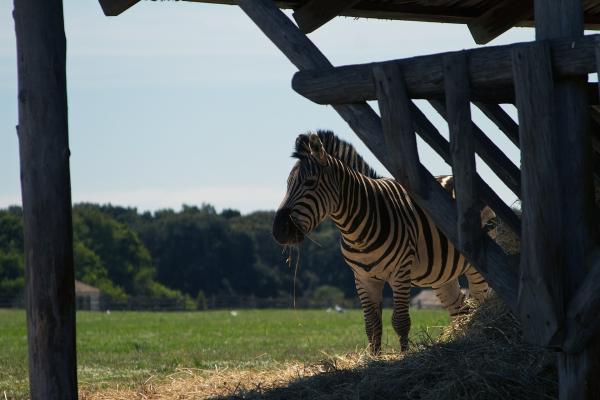
The park covers around nine hectares and combines native Istrian species with animals from South America, Africa and Asia. Visitors can see Indian elephants, llamas, zebras, zebu, which are the humped Indian sacred cattle, and ostriches, among others. Many of the stories attached to the animals reflect those international connections. The zebu were reportedly a present from the Indian statesman Nehru in 1959, and zebras are said to have come from Guinea in the 1960s. The elephants, which became the park's best-known residents, also arrived as gifts from Asian friends of the president. The animals are kept in large enclosures, and the setting is more like an old estate park than a modern zoo.
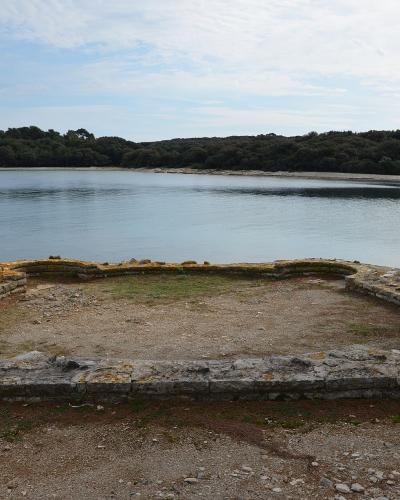
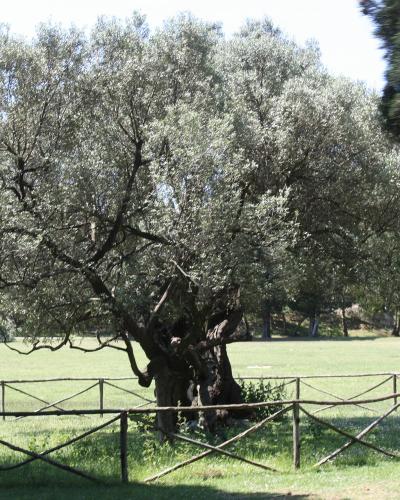
A highlight of the visit is the tourist train, which winds through the grounds and passes the enclosures, so that visitors can see the animals in a relaxed way. The park is part of a wider tour of the island, which usually includes other stops. These might include the Byzantine Castrum, the Dinosaur Footprints, the old olive tree, Verige Bay, Tito's Museum and the Hotel Neptun, and together they give a full picture of Brijuni's natural and historical layers. Many visitors also rent bicycles to travel between the sights.
Getting to the Safari Park involves a boat from Fažana, on the Istrian coast, to Veliki Brijun, the main island of the archipelago. From the dock, you follow signs or join a guided tour, and the park is within easy reach by train or bicycle. Take sun protection and water, since there is limited shade, and respect the rules about not feeding the animals. Check the opening times and ticket arrangements for the national park in advance, particularly in summer when boats can be busy.
The park suits families with children, animal lovers and anyone interested in the quirky history of Brijuni. Plan about an hour for the Safari Park itself, within a full day on the island.
More photos coming soon
Nearby Attractions
Other places to visit in Brijuni Islands
Frequently Asked Questions
Quick Facts
Best Time to Visit
The optimal months to visit the Brijuni Islands are April to August for warm, sunny weather.