







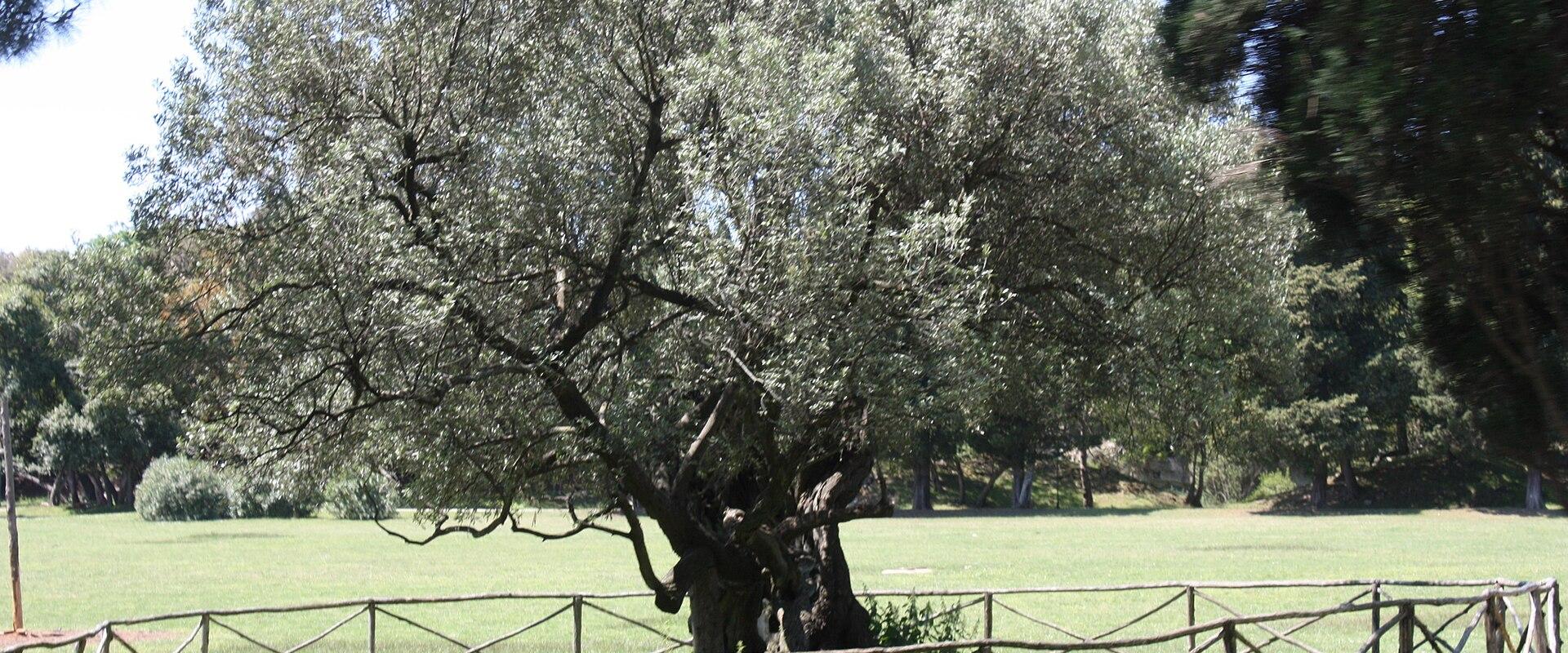
The Olive Tree on Brijuni
1600-year-old olive tree still bearing fruit
The Olive Tree on Brijuni stands on Veli Brijun, the largest island of the Brijuni archipelago, off the western coast of Istria in Croatia. It is a protected natural monument and one of the best-known single trees in the Mediterranean and a landmark of Croatia’s Istrian coast, estimated to be about 1,600 years old, which would make it older than almost every building in the country.
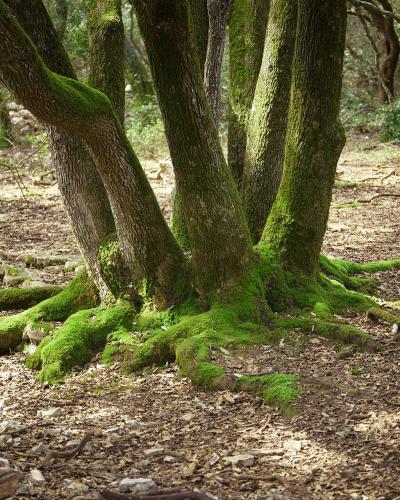
The age is the centrepiece of the story. The estimate comes from scientific dating, carried out by the Ruđer Bošković Institute in Zagreb, and it places the tree in the late Roman period or soon after. Olive trees can live for many centuries because they regenerate, producing new shoots from the base and sending out new growth from old wood, and this one has the thick, twisted, hollow trunk typical of an ancient specimen. Storms and age have split the trunk over the years, and its structure has been reinforced to keep it standing. Despite this the tree continues to bear fruit each autumn, and its olives are harvested and pressed to make a small quantity of oil.
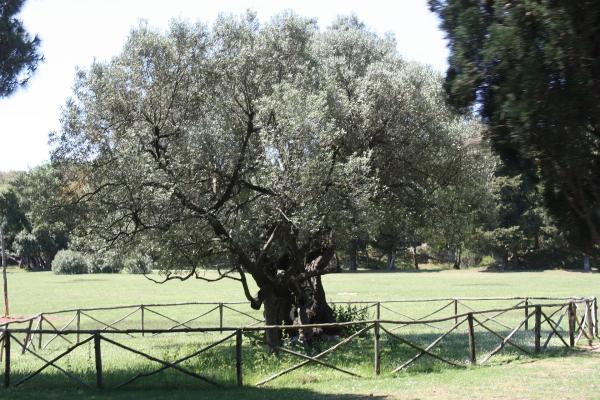
Seeing it is a simple but memorable experience. The tree is not tall, but it is broad and heavy, with a gnarled, silvery-grey trunk and a dense crown of narrow leaves, and standing beside it makes you aware of the time that has passed since it was planted. Visits are brief, often under an hour, since there is little else on the spot, and it is usually combined with a longer tour of the island.
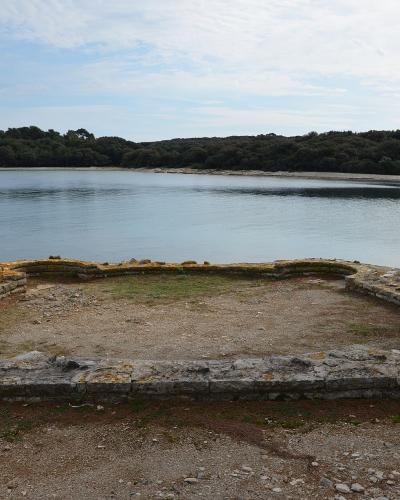
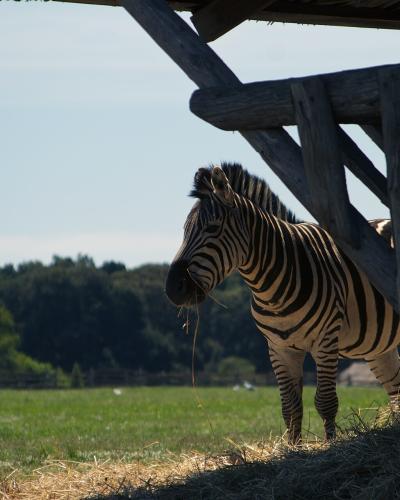
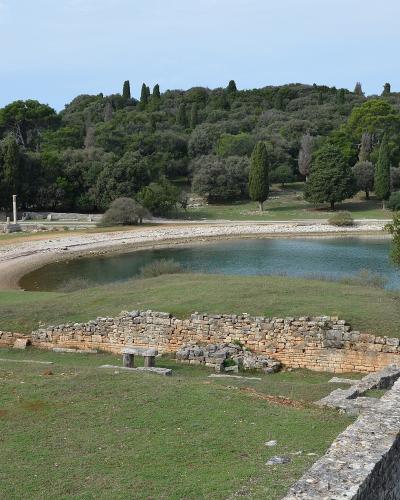
Brijuni National Park offers a good deal more. The islands became a summer retreat for the Yugoslav president Tito, who used them for state visits and hosted foreign leaders, and Tito’s Museum on the main island tells that story. The Safari Park holds animals that were gifts to him, and Verige Bay has the remains of a large Roman villa. There are also the Byzantine Castrum, the footprints of dinosaurs on the shore, and the elegant Hotel Neptun among the historic buildings. A short tour around the island, often by small electric train, links the main sights.
Access to Brijuni is by boat from Fažana, a village on the mainland coast near Pula, and the national park controls visits through organised tours and tickets, so plan the trip ahead, especially in summer. The visit suits history and nature lovers, families, and anyone who appreciates the oddity of a very old tree. The Mediterranean light in spring and autumn is especially pleasant, and the island is cooler and less crowded outside the main summer season.
Categories
More photos coming soon
Opening Hours
Hours
Daily 12am-11:59pm
Nearby Attractions
Other places to visit in Brijuni Islands
Frequently Asked Questions
Quick Facts
Best Time to Visit
The optimal months to visit the Brijuni Islands are April to August for warm, sunny weather.