







- Where
- Cavtat, Dalmatia
- Directions
- Directions
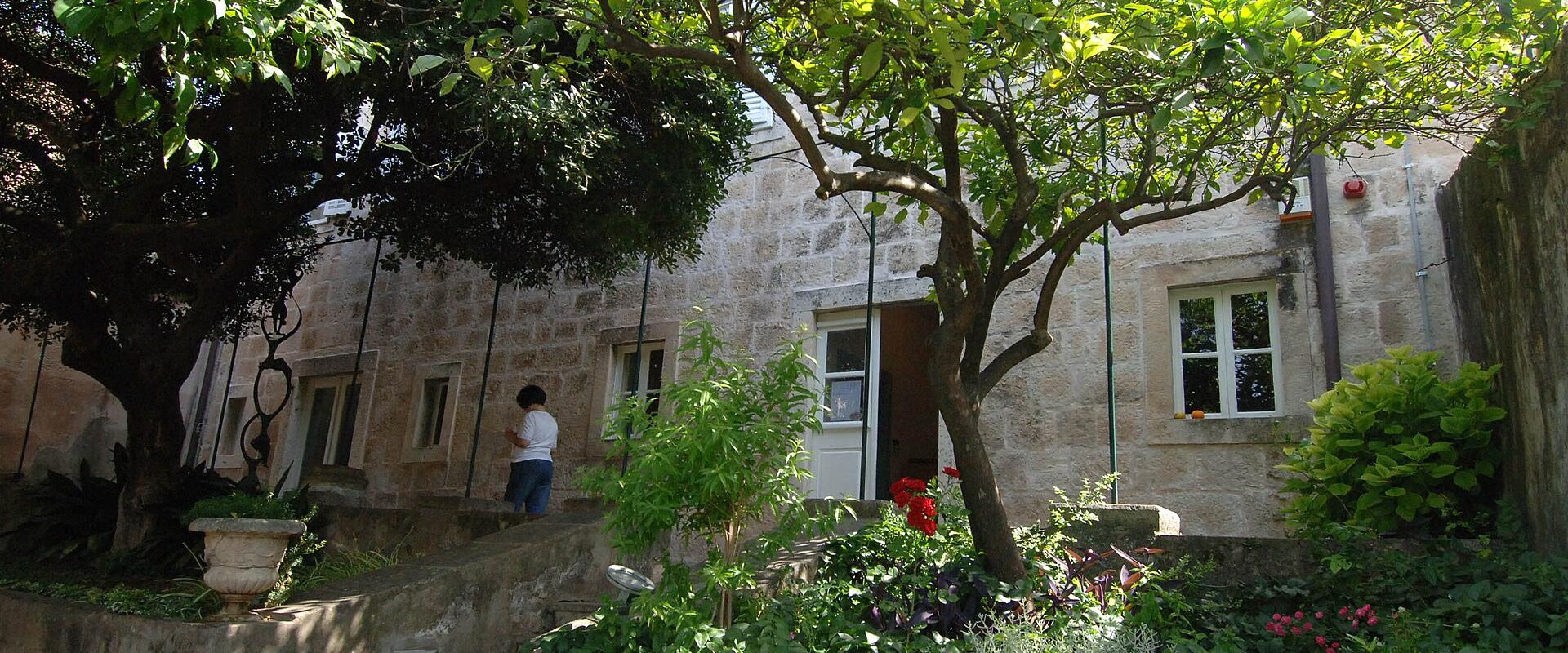
The Bukovac House Museum in Cavtat is the birthplace and family home of Vlaho Bukovac, one of the most important Croatian painters of the late nineteenth and early twentieth centuries, and it is among the most personal museums on the Dubrovnik coast. Cavtat is a small and attractive resort on a peninsula about twenty kilometres south of Dubrovnik, on the site of the ancient town of Epidaurum, and Bukovac was born here in 1855. The house stands on a narrow street in the old centre, close to the waterfront, and it was turned into a museum after his death, with the aim of preserving both his works and the atmosphere of the place where he grew up and where he came back to work in his later years.
Bukovac had an international career. He left Cavtat as a young man, spent years in Paris, where he studied and absorbed the lessons of academic and Impressionist painting, and then settled in Zagreb, where he became the leading figure in Croatian art, painting portraits, historical and mythological scenes and large decorative works. He later taught in Prague, and he had a major influence on a generation of artists in the region. In his last years, he returned to Cavtat and made his home here, painting the landscape and the people of his birthplace.
The museum is run as part of the Museums and Galleries of Konavle, and its rooms contain a good selection of his paintings, sketches and personal items, arranged to show the development of his style. You can follow a path from early academic works through to the brighter colours and freer brushwork of his later period, and the intimate scale of the house makes it easy to look closely. The rooms have period furniture, and some walls carry original decorative paintings by the artist, which give the interior a character that few museums have. An audio guide is available and is a good way to understand the context of the works. Guided tours may be arranged in advance, and photography may be allowed under certain conditions.
Practical information changes, so check opening times and ticket prices before you go. The museum is open throughout the year, with longer hours in summer. Access for people with mobility problems may be limited, since the house has stairs.
The museum is close to the other sights of Cavtat, which are listed in this guide: the Franciscan monastery, the Rector's Palace, the seaside promenade and, on the hill above the town, the domed mausoleum of the Račić family, designed by the sculptor Ivan Meštrović. Allow forty-five minutes to an hour. The museum suits art lovers and anyone interested in the cultural history of the Dalmatian coast.
Categories
More photos coming soon
Nearby Attractions
Other places to visit in Cavtat
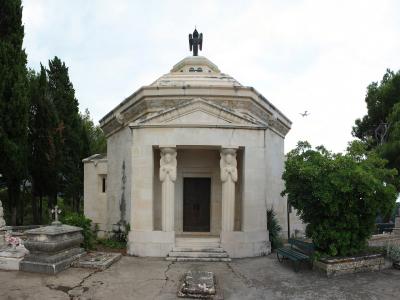
Mausoleum of the Racic Family
Mausoleum by Meštrović with sea views in Cavtat
History & Heritage · Historic Houses
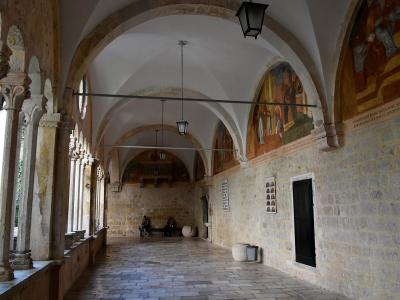
Franciscan Monastery
14th-century monastery with Europe’s oldest pharmacy
Cultural Experiences
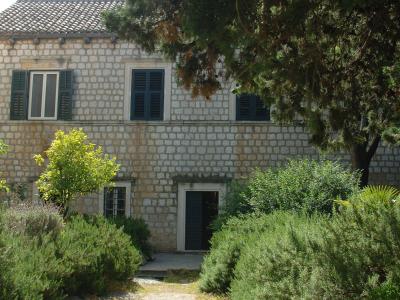
Rector's Palace (Knezev Dvor)
Historic seat of Dubrovnik Republic governance
Cultural Experiences · History & Heritage
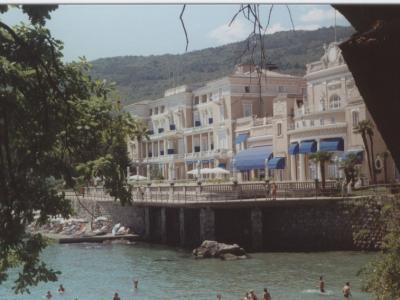
Seaside Promenade
Historic seafront promenade in Cavtat, Croatia
Coastal & Maritime · Promenades
Questions people ask
Quick Facts
Best Time to Visit
May to October offers warm, sunny weather and ideal conditions for swimming, boating, and exploring Cavtat’s historic town and scenic coastline.