







- Where
- Cavtat, Dalmatia
- Directions
- Directions
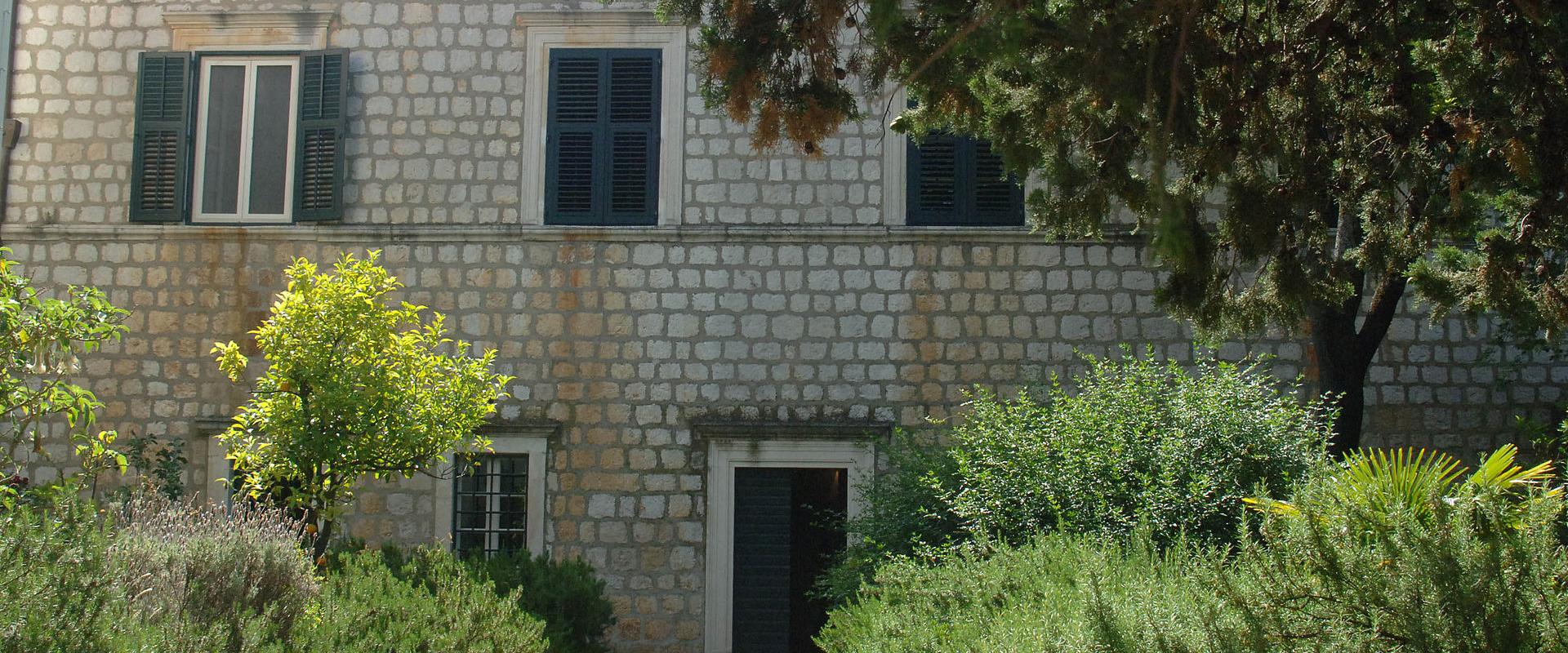
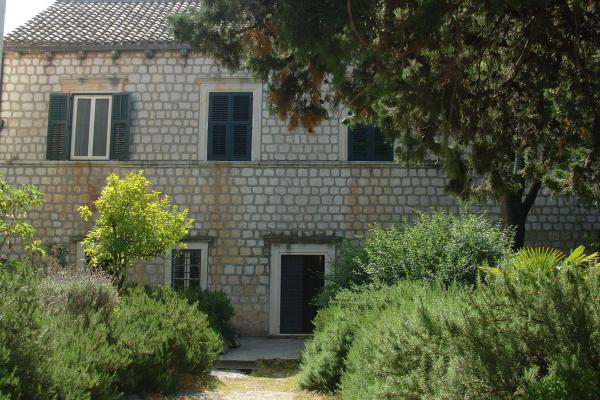
The Rector's Palace, known in Croatian as Knežev dvor, stands on the waterfront of Cavtat, a small and graceful town on the Adriatic coast, about twenty kilometres south of Dubrovnik. Cavtat was a part of the Republic of Dubrovnik from the early 15th century until the republic fell in 1808, and the palace was the seat of the Republic's local representative, the rector, who administered the district on behalf of the Dubrovnik government. Rectors were chosen from the Dubrovnik nobility and served short terms, and the building reflects this system of government, with a council chamber, offices and a residence under one roof. The palace is built of the pale local stone and shows the Gothic and Renaissance features typical of the Dubrovnik region, in a smaller, more intimate form than the famous Rector's Palace in Dubrovnik itself.
Today the palace is used as a cultural centre. It houses the collection of Baltazar Bogišić, a lawyer and scholar born in Cavtat in the 19th century, and it holds a library and exhibitions that tell the story of the town and the district. Rooms contain furniture, books, documents and artworks, and some of them give a sense of how the rectors lived and worked. The inner courtyard, with its stonework and quiet atmosphere, is a pleasant place to pause, and the building as a whole is a good introduction to the history of the area. Opening hours are limited, often to the morning, so it is wise to check before going.
The palace is easy to include in a walk through town. The waterfront promenade runs from the harbour around the peninsula, shaded by pines and lined with cafés. Cavtat is the birthplace of the painter Vlaho Bukovac, and the Bukovac House Museum shows his work and his life, while the Franciscan Monastery holds paintings and a quiet cloister. The Mausoleum of the Račić Family, designed by Ivan Meštrović in the early 20th century and sitting on a hilltop cemetery, is one of the sculptor's best-known works. The town is ancient, since it stands on the site of the Greek and Roman city of Epidaurus, and tradition says refugees from Epidaurus founded Dubrovnik in the 7th century.
Cavtat can be reached by road from Dubrovnik or by boat, and the old town is easy to explore on foot. The palace suits history lovers, art enthusiasts and travellers who want a calm, cultural stop with sea views. Allow about half an hour for the palace and add time for the other museums.
Visit in the morning, when the palace is most likely to be open and the light on the harbour is at its best.
More photos coming soon
Nearby Attractions
Other places to visit in Cavtat
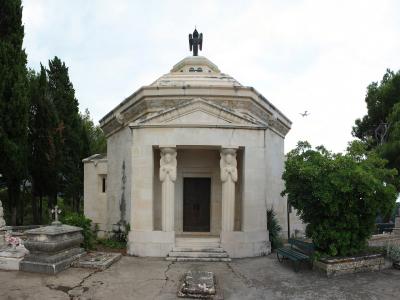
Mausoleum of the Racic Family
Mausoleum by Meštrović with sea views in Cavtat
History & Heritage · Historic Houses
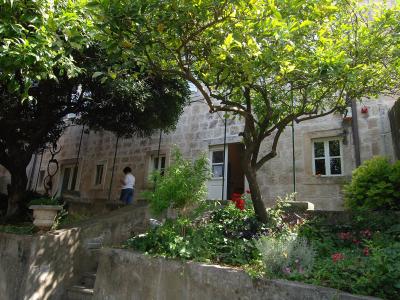
Bukovac House Museum
Home and studio of Croatian painter Vlaho Bukovac
Cultural Experiences
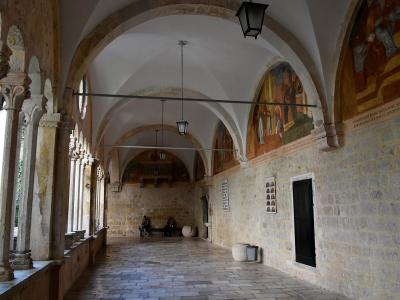
Franciscan Monastery
14th-century monastery with Europe’s oldest pharmacy
Cultural Experiences
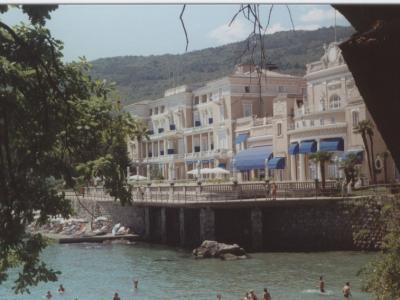
Seaside Promenade
Historic seafront promenade in Cavtat, Croatia
Coastal & Maritime · Promenades
Questions people ask
Quick Facts
Best Time to Visit
May to October offers warm, sunny weather and ideal conditions for swimming, boating, and exploring Cavtat’s historic town and scenic coastline.