







Characteristic Wooden Houses
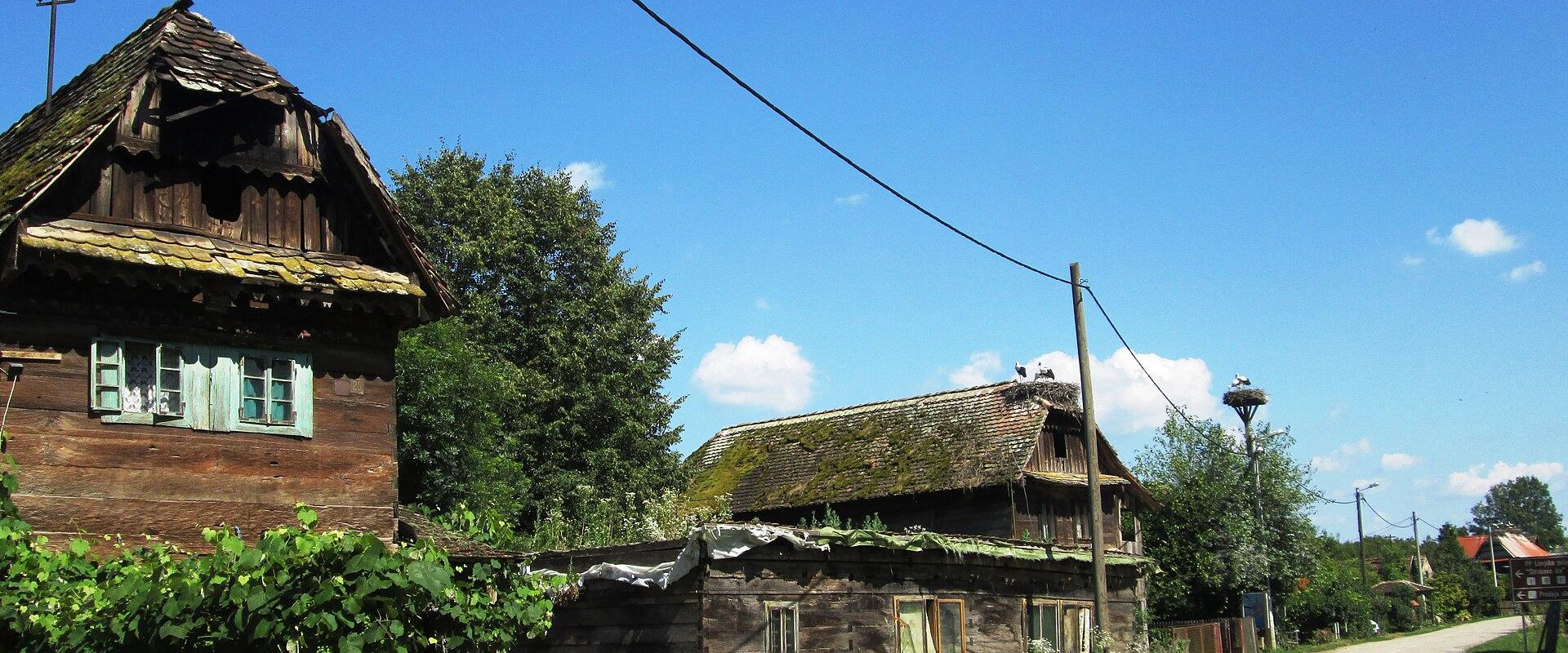
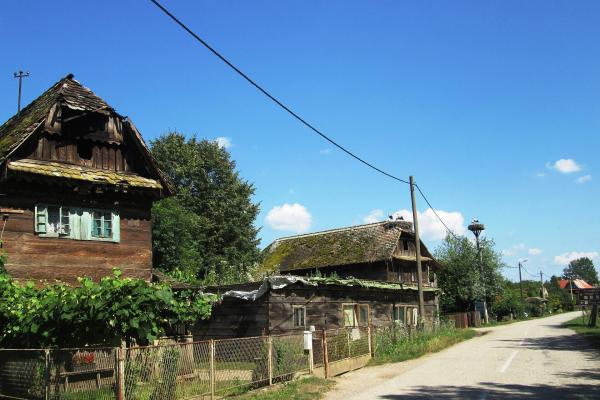
200-year-old wooden houses with stork nests
- Where
- Lonjsko Polje National Park, Central Croatia
- Directions
- Directions
The traditional timber houses of the Posavina region are the human side of Lonjsko Polje Nature Park, the great floodplain that stretches along the Sava river south-east of Zagreb. They are most easily seen in the villages of Čigoć and Krapje and, to a lesser extent, in Mužilovčica, where whole streets of old houses have survived because the community continued to live in them and because the area was protected before modern building replaced the old stock. Walking down one of these streets is like stepping into a rural world that has otherwise largely vanished from Central Europe.
The houses are built from oak, the dominant tree of the nearby forests, felled and carefully squared by hand. Large beams are joined with wooden pegs, and the walls are made of horizontal planks or logs, often set on a raised base so that the floor stays above flood level. Roofs are steep, which helps shed rain and snow, and in the past they were covered with thatch or wooden shingles before tiles became common. The plan is simple, usually long and narrow, with several rooms in a row and a covered porch along the front. Outbuildings for animals, hay and tools stand close by, and the whole farmstead is organised around the rhythm of work and the threat of floods.
One famous detail of older houses is the way heat and smoke were handled. In the traditional layout, the hearth had no separate chimney, and smoke from the fire spread through the roof space, where it cured meat, sausages and cheese hung to dry. The method protected food and gave it a particular flavour, and it also helped to preserve the timber. Modern safety rules mean that many houses have now been fitted with conventional chimneys, but the traditional arrangement is explained to visitors and in a few places can still be seen.
The houses are also nesting places for storks. White storks arrive in spring, build huge nests on chimneys and roofs, and raise their young in summer, so the sight of a stork standing above a grey timber house is the classic image of the park. Čigoć is the village that was the first in Europe to be declared a stork village, and it is the best place to see them. A few of the houses have been turned into guest houses, small museums and ethnographic displays, and some of the owners welcome visitors for a coffee or a meal of local food.
The surrounding landscape of pastures, forests and ponds is protected as part of the nature park, and the information points can arrange guided walks and boat trips. Treat the villages with respect, since people live in these houses, and avoid entering private yards without permission. Bring binoculars, insect repellent and sturdy shoes. Allow a couple of hours for a village walk. The houses suit photographers, architecture lovers and anyone interested in traditional rural life.
More photos coming soon
Nearby Attractions
Other places to visit in Lonjsko Polje National Park
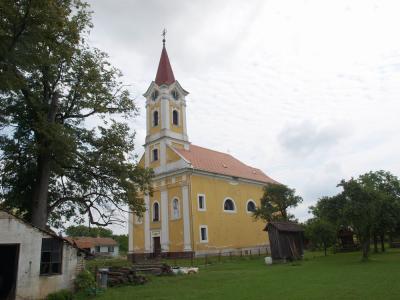
Krapje
Europe’s largest preserved floodplain wetlands
Cultural Experiences
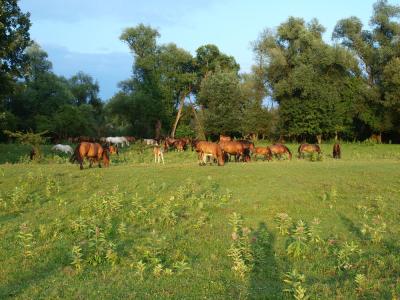
Lonjsko Polje Floodplain Forests
Ancient floodplain forests in Croatia's largest wetland
Free Activities & Adventure · Natural Wonders
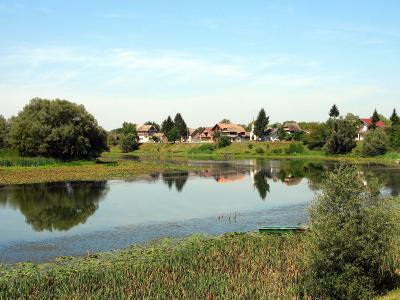
Mužilovčica
Europe’s largest natural floodplain forest habitat
Cultural Experiences
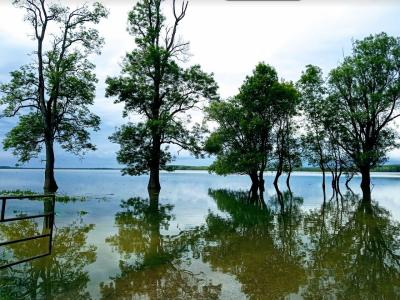
Sava River Wetlands
Largest protected wetland with diverse wildlife
Activities & Adventure · Natural Wonders
Questions people ask
Quick Facts
Best Time to Visit
May to June and September to October offer mild weather, peak birdwatching, and vibrant villages; spring and autumn are ideal for cycling, hiking, and boat tours.