







Sava River Wetlands
Largest protected wetland with diverse wildlife
- Where
- Lonjsko Polje National Park, Central Croatia
- Directions
- Directions
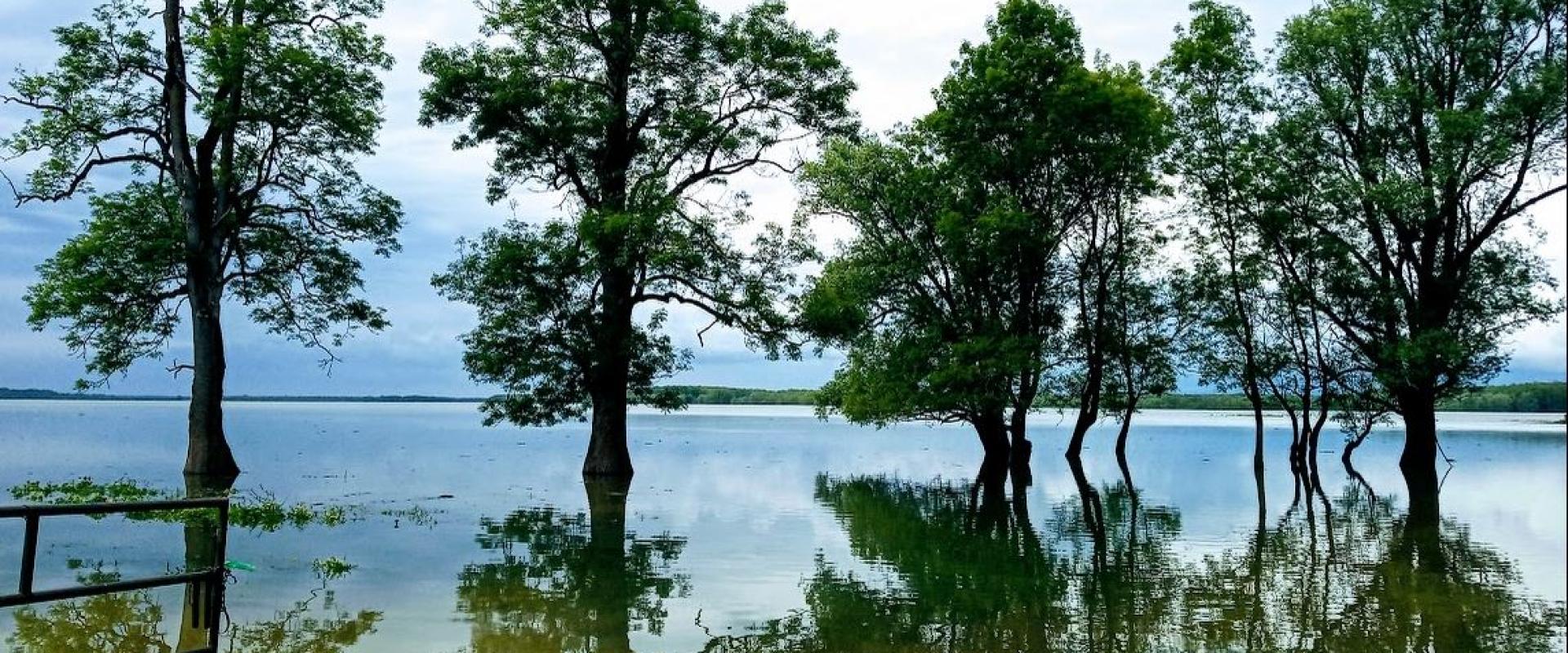
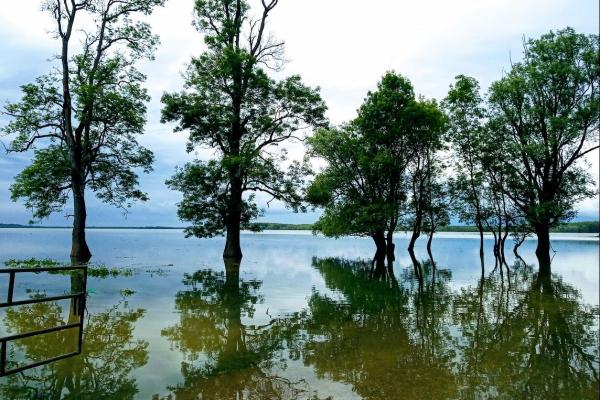
The Sava River Wetlands make up the core of Lonjsko Polje Nature Park, the largest protected wetland in the Danube basin, and one of the most important wild landscapes in Croatia. The park covers around 506 square kilometres of floodplain in the Posavina region, south-east of Zagreb, where the Sava, the Lonja and the Strug rivers meander through meadows, oak forests, reedbeds, ponds and marshes. It is recognised internationally as a wetland of importance under the Ramsar Convention. The area is flooded every year, in spring and autumn, when rising water spreads across the fields and forests and then slowly drains away, and this natural cycle is the source of its extraordinary richness. The flood keeps the soil fertile, feeds the fish and provides food for birds and animals throughout the year.
The variety of wildlife is exceptional. More than two hundred species of birds have been recorded, and they include white and black storks, grey and purple herons, spoonbills, white-tailed eagles, kingfishers and many kinds of ducks and geese. Spring and autumn bring migrating flocks that stop here to feed and rest. The wet meadows and forests also shelter otters, beavers, deer, wild boar and many amphibians and insects, while the rivers are important spawning grounds for fish, such as pike and carp. Because people have shaped the area gently, with seasonal grazing and traditional haymaking, it remains a place where nature and human use are closely linked, and much of it is as it was a hundred years ago.
Traditional farming is part of the attraction. Indigenous breeds of livestock graze freely on the pastures, including the Posavina horse, a hardy local breed, the black Turopolje pig, which roams in the oak woods, and the Slavonian-Podolian cattle. The villages of the area have been built with timber in a style that adapts to the floods, and several of them, among them Čigoć, Krapje and Mužilovčica, have preserved rows of wooden houses that are protected as cultural monuments. Visitors can walk or cycle along embankments, paddle on the channels, take a boat trip or watch birds from towers, and the park's visitor services in Krapje can help with routes and guides. A campground at Zelen-gaj offers a simple base for those who want to stay close to nature.
Timing matters. Spring offers floods, nesting storks and blossoming meadows, summer brings heat and mosquitoes, and autumn has migration and misty mornings. The wettest periods can restrict access, so check conditions locally. Bring binoculars, insect repellent, waterproof shoes and a hat.
Despite its closeness to Zagreb, the park remains quiet, and it suits birdwatchers, photographers, cyclists, families and anyone who wants to see a living floodplain. There are no fixed opening hours for the landscape, though fees may apply for some activities.
Categories
More photos coming soon
Nearby Attractions
Other places to visit in Lonjsko Polje National Park
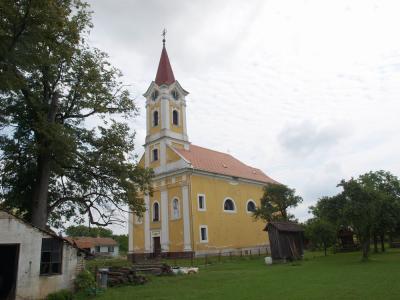
Krapje
Europe’s largest preserved floodplain wetlands
Cultural Experiences
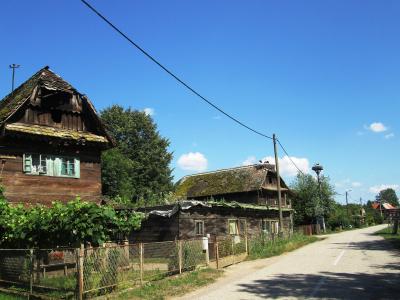
Characteristic Wooden Houses
200-year-old wooden houses with stork nests
Cultural Experiences · History & Heritage
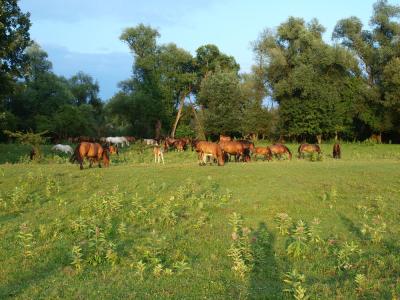
Lonjsko Polje Floodplain Forests
Ancient floodplain forests in Croatia's largest wetland
Free Activities & Adventure · Natural Wonders
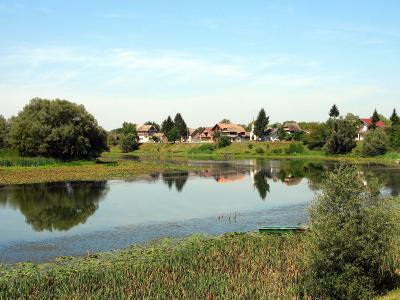
Mužilovčica
Europe’s largest natural floodplain forest habitat
Cultural Experiences
Questions people ask
Quick Facts
Best Time to Visit
May to June and September to October offer mild weather, peak birdwatching, and vibrant villages; spring and autumn are ideal for cycling, hiking, and boat tours.