







- Where
- Lonjsko Polje National Park, Central Croatia
- Directions
- Directions
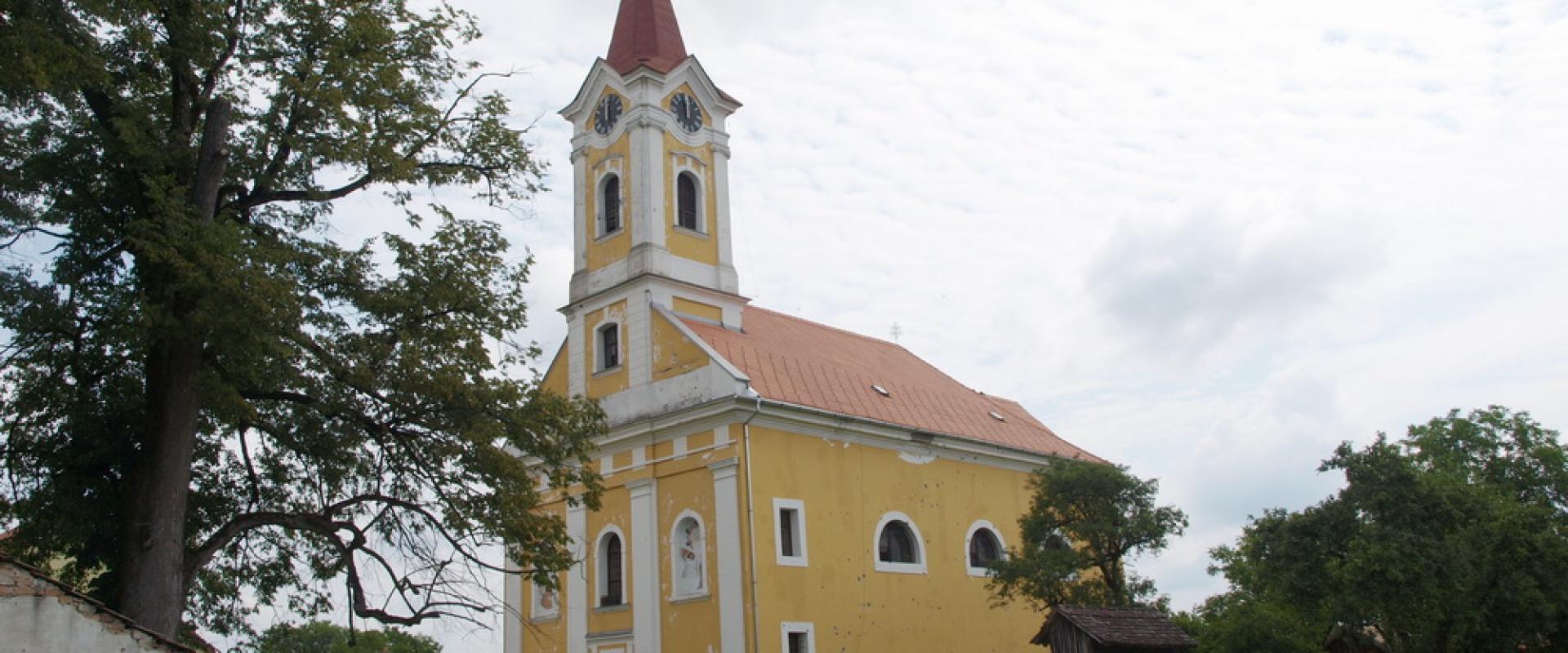
Krapje is a small village on the Sava floodplain in Lonjsko Polje Nature Park, one of the largest and best-preserved wetland areas in the Danube basin. The park lies south-east of Zagreb, along the Sava and its tributaries, and it protects meadows, ponds, oak forests and marshes that are flooded in spring and autumn, when water spreads across much of the landscape. Krapje is one of the villages inside the park where people have lived with this seasonal flooding for centuries, and it is among the places where that way of life is easiest to see.
The village is best known for its traditional timber houses. Built from local oak, they stand on raised foundations, with steep roofs and long, narrow plans, and they are placed along a single street in a way that suits a flood-prone area. The houses, barns and storerooms are protected as rural architecture, and some are open as small exhibitions and guest rooms. Walking along the village street gives a direct sense of the building traditions of the Posavina region, and the park has an information point and small displays that explain the history and wildlife. White storks nest on the roofs and chimneys here in spring and summer, raising their young in huge nests of sticks, and the neighbouring village of Čigoć was the first in Europe to be declared a stork village.
The park is a major area for birdwatching, with well over two hundred species recorded in the wider area, among them herons, spoonbills, white-tailed eagles, black storks and many ducks and waders. Spring and autumn migration bring the largest numbers, and the wet meadows are noisy in early morning. The flooded forests are also home to a range of mammals, reptiles and insects, and the park is known for traditional livestock breeds that still graze freely in the pastures, including the Posavina horse, the Turopolje pig and the Slavonian-Syrmian Podolian cattle. These old breeds are a living part of the cultural landscape and are protected because they nearly disappeared.
Visitors can explore on foot, by bicycle, by canoe or by boat, depending on the water level and the season. Boat trips and guided walks are often available through the park office, and it is wise to arrange them in advance. The nearby villages of Čigoć and Mužilovčica, the floodplain forests and the Sava wetlands are listed in this guide as separate sights, and a campground, Zelen-Gaj, is available for those who want to stay.
Bring insect repellent in summer, sturdy shoes and binoculars, and be prepared for muddy tracks after rain or flood. The village suits birdwatchers, photographers, families and anyone interested in rural architecture and quiet landscapes. A visit takes a few hours, or more if you add a boat trip or walk.
Categories
More photos coming soon
Nearby Attractions
Other places to visit in Lonjsko Polje National Park
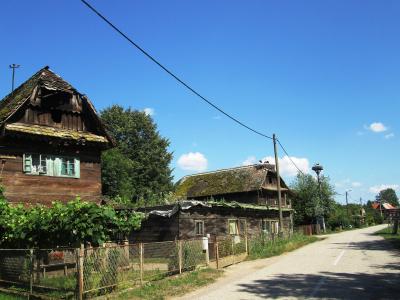
Characteristic Wooden Houses
200-year-old wooden houses with stork nests
Cultural Experiences · History & Heritage
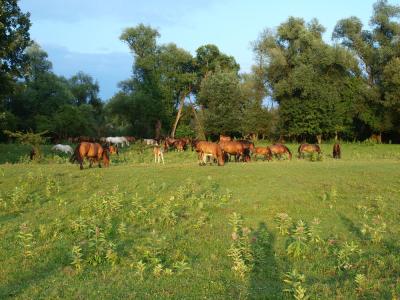
Lonjsko Polje Floodplain Forests
Ancient floodplain forests in Croatia's largest wetland
Free Activities & Adventure · Natural Wonders
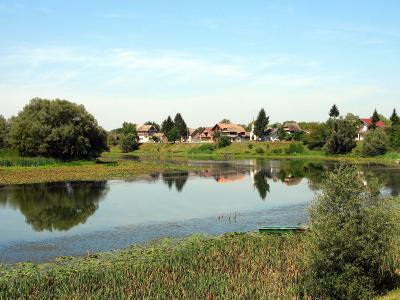
Mužilovčica
Europe’s largest natural floodplain forest habitat
Cultural Experiences
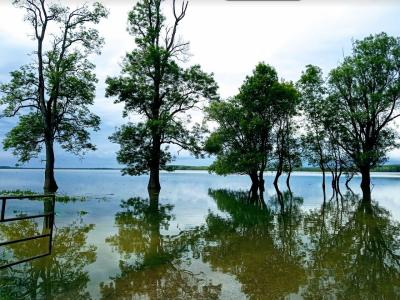
Sava River Wetlands
Largest protected wetland with diverse wildlife
Activities & Adventure · Natural Wonders
Questions people ask
Quick Facts
Best Time to Visit
May to June and September to October offer mild weather, peak birdwatching, and vibrant villages; spring and autumn are ideal for cycling, hiking, and boat tours.