







Lonjsko Polje Floodplain Forests
Ancient floodplain forests in Croatia's largest wetland
- Admission
- Free admission
- Hours
- Daily 8am-6pm (May-October); Daily 8am-4pm (November-April)
- Where
- Lonjsko Polje National Park, Central Croatia
- Directions
- Directions
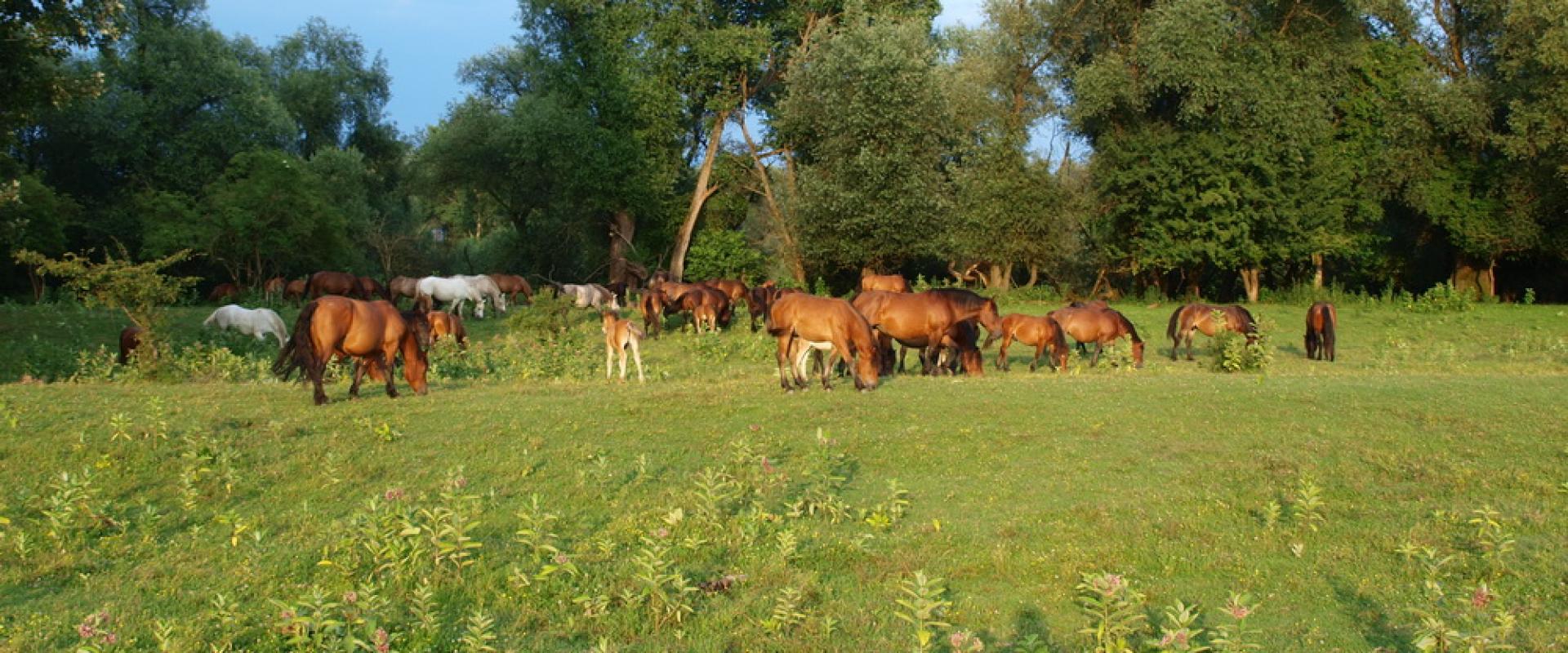
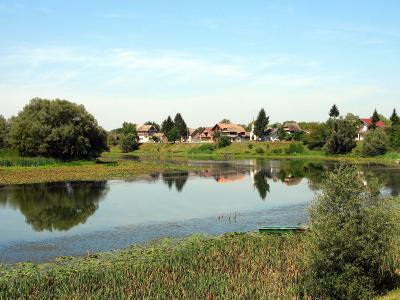
Lonjsko Polje Nature Park protects a huge area of floodplain on the Sava River south-east of Zagreb, and about half of it is covered by forest. These floodplain forests are among the most valuable features of the park, because most of Europe's river forests have long since been felled, drained or cut off from their rivers, and here the old pattern survives. A walk through them is a walk through a landscape that once covered most of the lowland valleys of the continent.
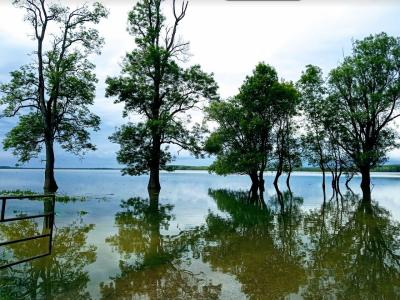
The forests are shaped by water. For weeks or months in spring and autumn the Sava spills out of its bed and floods the lowlands, often to a depth of more than a metre, and the trees stand in water with their roots submerged. Only species that can tolerate this survive: pedunculate oak, the great tree of Slavonian forests, which is famous for its high-quality timber, narrow-leaved ash, black alder, elm and willow. The oaks here are tall and old, some of them several hundred years in age, with broad crowns and rough, deeply furrowed bark. Beneath them is a rich undergrowth of shrubs, climbers and herbs, and the forest floor is a mosaic of dry rises and wet hollows, with small ponds and channels between them.
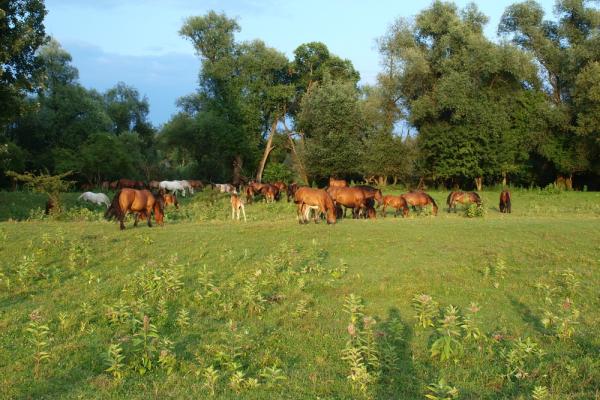
The forests are home to a wide range of animals. Birds are the most visible: white-tailed eagles, black storks, herons, owls, woodpeckers and many songbirds, and in spring the sound of chorusing frogs fills the evening. Deer, wild boar, otters and beavers live in the forest and along the water, and the sky is full of dragonflies and butterflies in summer. The park is an Important Bird Area, and it is one of the best places in Croatia for birdwatching. Local breeds of horse, cattle and pig graze in the meadows and woods, and their grazing helps to keep the landscape open.
Walking trails, embankments and boat or canoe routes allow visitors to explore the forests, and the villages of the park, among them Čigoč, Krapje and Mužilovčica, offer timber houses and local food. Water levels change the access, with some paths closed in times of flood, so ask at the park information centre for current conditions. Mosquitoes can be a problem in summer, so bring repellent and light long-sleeved clothing.
Information about opening hours and fees is available from the park, as arrangements change with the season. The forests suit walkers, birdwatchers, photographers and anyone interested in unspoiled nature. Spring and autumn offer the best atmosphere.
Categories
More photos coming soon
Hours & Fees
- Open
- Daily 8am-6pm (May-October); Daily 8am-4pm (November-April)
- Admission
- Free admission
Hours and prices change, especially out of season. Check with the venue before you go.
Nearby Attractions
Other places to visit in Lonjsko Polje National Park
Krapje
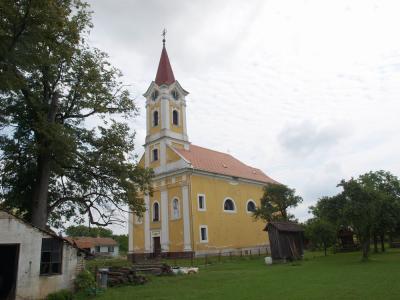
Europe’s largest preserved floodplain wetlands
Cultural Experiences
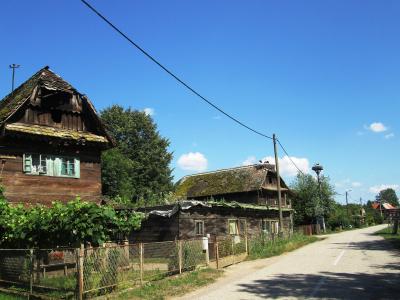
Characteristic Wooden Houses
200-year-old wooden houses with stork nests
Cultural Experiences · History & Heritage
Mužilovčica
Europe’s largest natural floodplain forest habitat
Cultural Experiences
Sava River Wetlands
Largest protected wetland with diverse wildlife
Activities & Adventure · Natural Wonders
Questions people ask
Quick Facts
Best Time to Visit
May to June and September to October offer mild weather, peak birdwatching, and vibrant villages; spring and autumn are ideal for cycling, hiking, and boat tours.