







Lonjsko Polje National Park
Croatia’s largest protected floodplain with birdwatching and rural villages
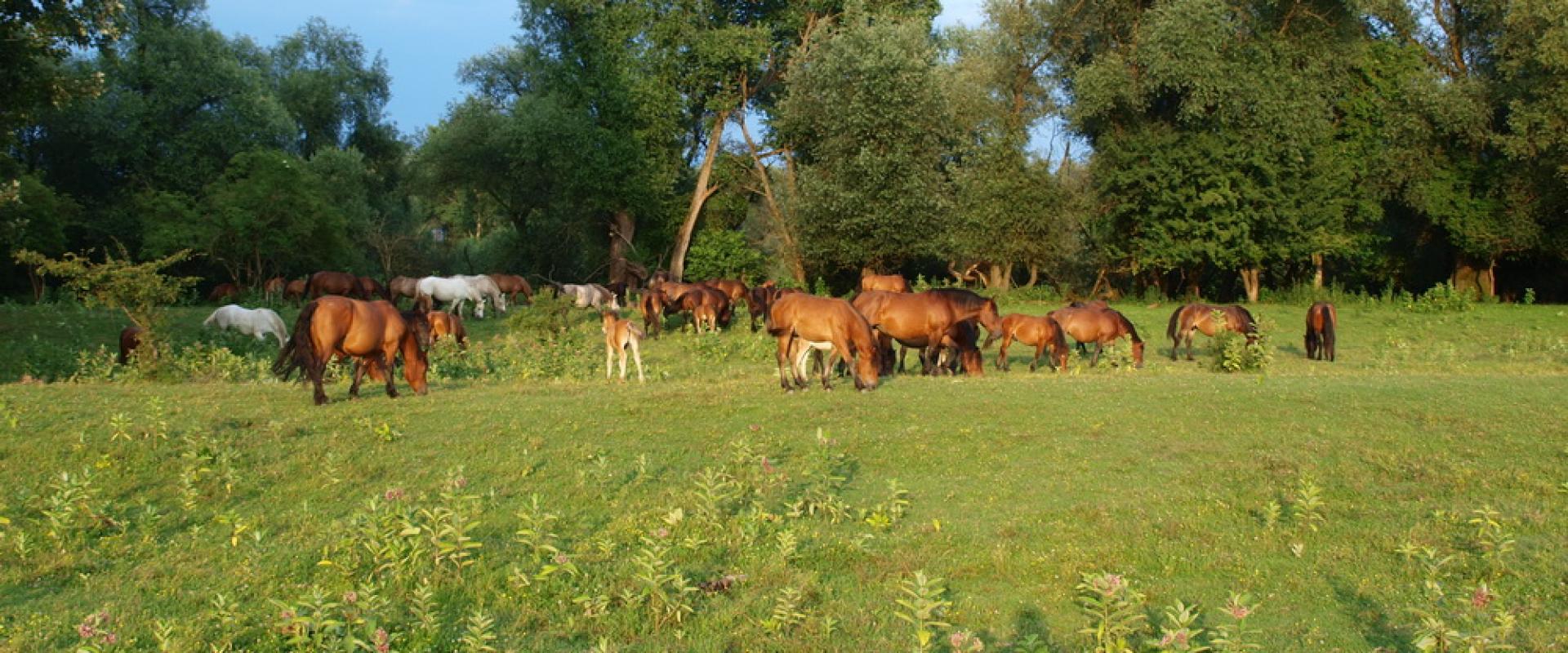
The history of Lonjsko Polje National Park, as the area is listed here, is deeply intertwined with the rhythms of the Sava River and the communities that have adapted to its annual floods. For centuries residents developed their own architecture, building oak houses raised on stilts and practising sustainable grazing with indigenous breeds such as the Posavina horse and the Turopolje pig. Lonjsko Polje’s villages, among them Čigoć, known as the European Stork Village, Krapje and Mužilovčica, are living museums where visitors can see rows of wooden homes, stork nests and traditional crafts. Each house has a carved gable and a wide porch, and the boards are fitted without nails in some of the oldest examples.
The park is internationally recognised as a Ramsar Wetland of International Importance and is part of the UNESCO Tentative List. Its floodplain forests, meadows and marshes support a remarkable range of wildlife, including white storks, spoonbills, herons, eagles and rare amphibians and fish. The Krapje ornithological reserve and its observation towers provide excellent chances for birdwatching and photography, especially during spring and autumn migrations. The Lonjsko Polje Floodplain Forests are among the last large stretches of lowland oak and ash woods of their kind in Europe, and a walk along the dykes shows how water shapes the whole landscape. In the wettest months the meadows turn into a shallow lake, and in dry summers the same ground is used for grazing horses, cattle and pigs.
Main attractions include boat rides on the Sava and Lonja rivers, cycling and hiking along marked trails and exploring the authentic villages. Guided tours explain the park’s ecology, history and rural customs, while local family farms serve traditional meals and offer hospitality. The Sava River Wetlands are a good place for quiet canoe trips, and the flat terrain makes cycling comfortable for all ages. Fishing, canoeing, horseback riding and nature photography are popular activities. At Zelen-Gaj Campground, visitors can stay close to the nature itself, and simple rooms are available in several of the villages.
The cultural side of the park is as important as the nature. Village houses still have their traditional layout, with a yard, a barn and a small garden, and the people who live in them take pride in the old customs. Visitor centres in the villages show tools, textiles and photographs of past floods, and they help to explain why the buildings look the way they do. Meals in family farms feature smoked meat, home-made cheese, bread and soups, and the Turopolje pig, a black, curly-haired breed, is a speciality that appears on some menus.
Getting to Lonjsko Polje is straightforward. The main entrances are near the villages of Čigoć, Krapje and Repušnica, all accessible by car from Zagreb via the A3 motorway, with exits at Popovača or Kutina. Public transport is limited, so a car is recommended for flexibility. Visitor centers provide maps, guides and information on current conditions and seasonal highlights.
The best time to visit Lonjsko Polje is from May to June and September to October, when the weather is mild, birdlife is most active and the villages are lively with local events. Spring brings lush greenery and the arrival of migratory birds, while autumn features colorful foliage and traditional harvest festivals. Even in winter the quiet landscapes and wildlife sightings make for a rewarding visit, though some activities may be limited because of flooding or cold weather. Whether you are a birdwatcher, photographer or simply someone who wants a peaceful escape, Lonjsko Polje offers an authentic and rewarding experience in the middle of Croatia.
Best time to visit
May to June and September to October offer mild weather, peak birdwatching, and vibrant villages; spring and autumn are ideal for cycling, hiking, and boat tours.
What to see in Lonjsko Polje National Park
Our picks first.
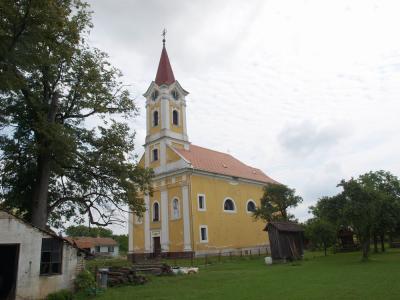
Krapje
Europe’s largest preserved floodplain wetlands
Cultural Experiences
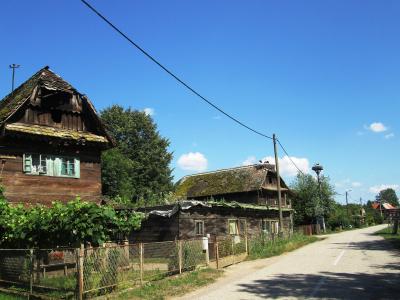
Characteristic Wooden Houses
200-year-old wooden houses with stork nests
Cultural Experiences · History & Heritage
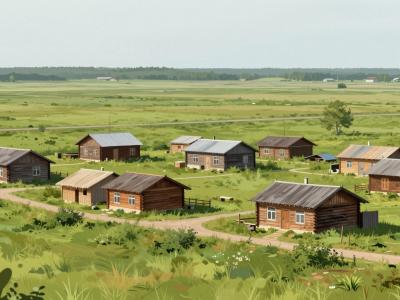
Zelen-Gaj Campground
Tranquil camping amid Croatia’s largest wetland
Activities & Adventure · Natural Wonders
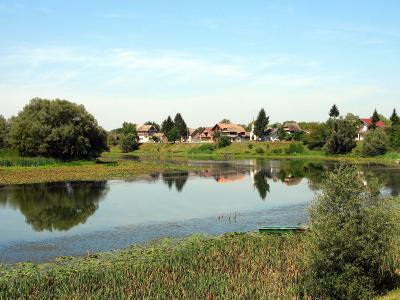
Mužilovčica
Europe’s largest natural floodplain forest habitat
Cultural Experiences
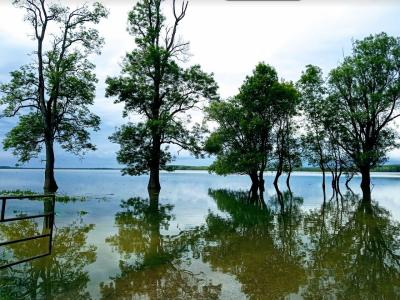
Sava River Wetlands
Largest protected wetland with diverse wildlife
Activities & Adventure · Natural Wonders
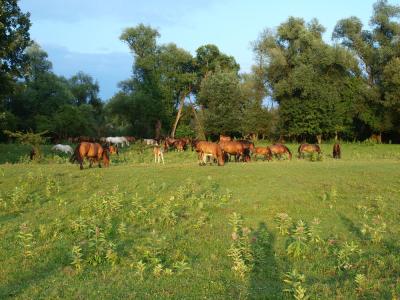
Lonjsko Polje Floodplain Forests
Ancient floodplain forests in Croatia's largest wetland
Free Activities & Adventure · Natural Wonders
Lonjsko Polje National Park by interest
The same sights, grouped by what you came for.
Did you know?
Checked facts about Lonjsko Polje National Park, each with its source.
-
History
Meadows Here Flood Up to 100 Days a Year
Floodwaters from the Sava and its tributaries leave Lonjsko Polje's meadows and pastures under water for 30 to 100 days almost every year, making it one of the biggest protected wetlands in the Danube basin.
Source: Parks of Croatia – Nature Park Lonjsko polje -
History
About 250 Bird Species, 134 Nesting Here
About 250 bird species have been recorded at Lonjsko Polje, and 134 of them nest in the area.
Source: Parks of Croatia – Nature Park Lonjsko polje
Planning a visit to Lonjsko Polje National Park
Good to know
- Currency
- EUR
- Language
- Croatian
Quick Facts
Book your stay
Questions people ask
More places in Central Croatia
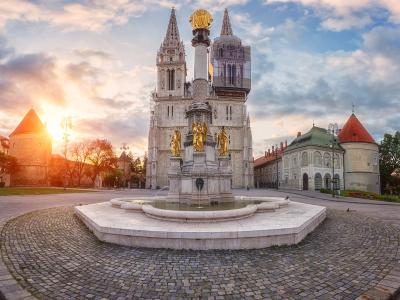
Central Croatia
Zagreb
Croatia’s lively capital with parks, museums, and café culture
Central Croatia
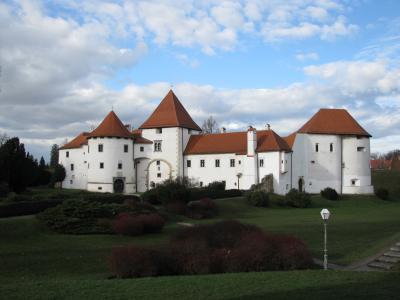
Varaždin
Baroque city with castles, palaces, and vibrant festivals
Central Croatia
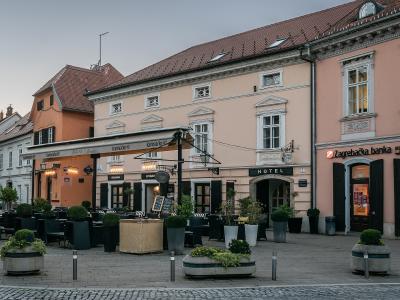
Samobor
Zagorje hill town with castle ruins and pastry traditions
Central Croatia
Slunj
Riverside town with waterfalls, mills, and adventure sports