







- Admission
- Free
- Hours
- Open 24 hours (outdoor archaeological site)
- Where
- Mljet Island, Dalmatia
- Directions
- Directions
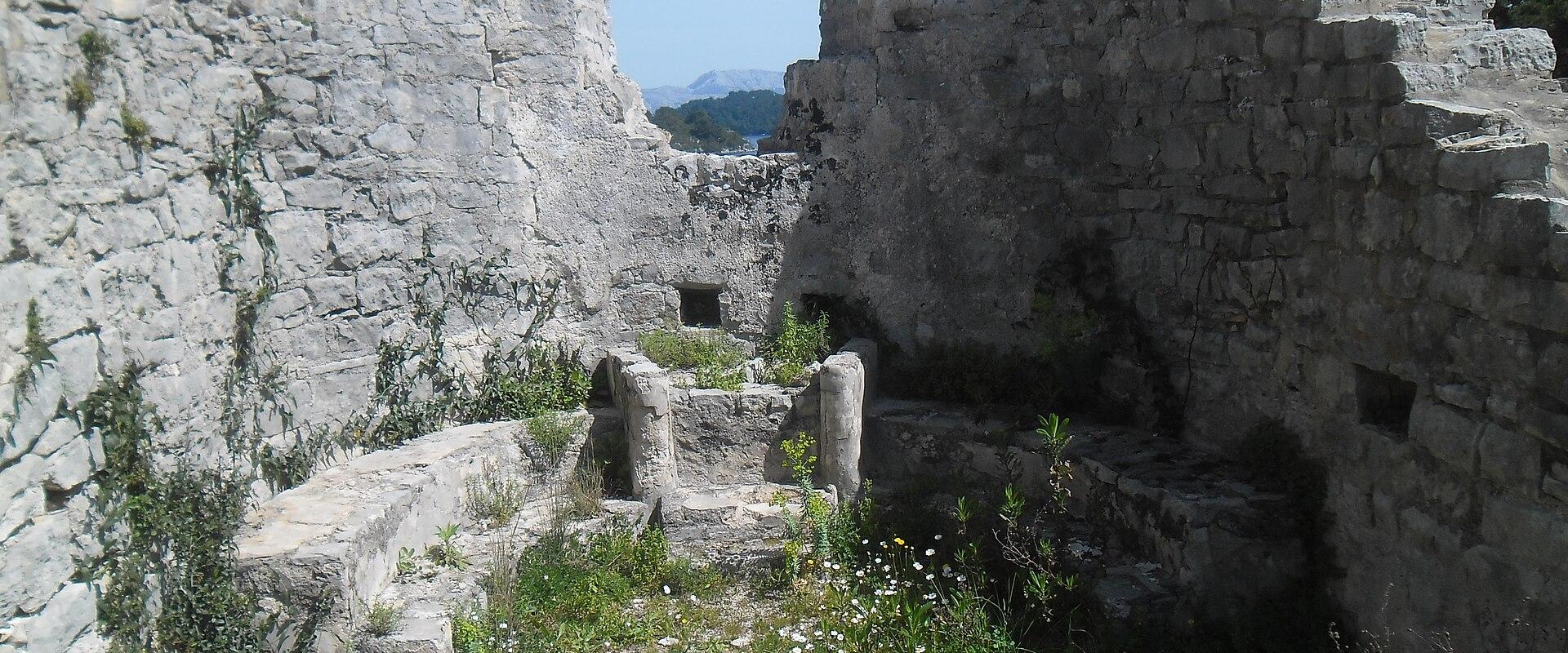
The Roman palace ruins at Polače are among the most important archaeological monuments on the island of Mljet, in the southern Adriatic, and they lie on the shore of a sheltered bay on the northwestern coast, within the area of Mljet National Park. The remains belong to a large late antique building complex, usually dated to the 5th century AD, which makes it a product of the final years of the Roman Empire in the West. Its size shows that it was no ordinary house, and it is considered one of the largest and most significant Roman residential complexes in Dalmatia, the province that included much of the eastern Adriatic coast. In late antiquity, wealthy landowners and officials built large country estates on the coast and islands, combining a residence, farm buildings and sometimes a fortification in one structure.
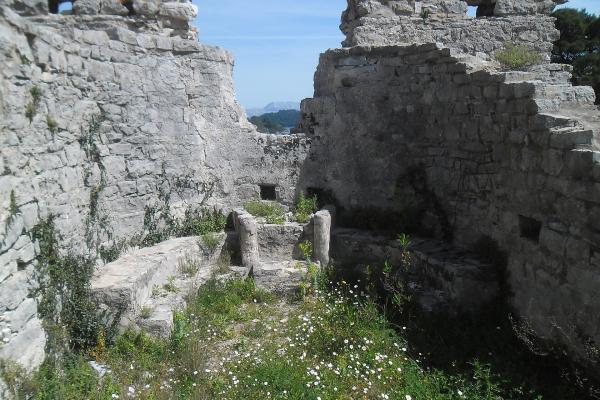
What survives gives a good idea of the plan. Thick walls, parts of towers and sections of the façade still stand, and they are close to the water, so the harbour was clearly an essential part of the complex. The ruins include the remains of a residential block, an early Christian church of the 5th century and a sacred building of the 6th century, which reflect the spread of Christianity and the religious life of the estate. Traces of simpler farm buildings, known as villae rusticae, and a bathing area with thermal rooms have also been identified, along with underwater features such as the remains of ancient shipwrecks and deposits of amphorae, the clay jars used for transporting oil, wine and other goods. These finds show that Polače was a working port that was connected with trade across the Mediterranean.
The site is open air and accessible at any time, and there is no entrance fee for the ruins, though visitors are asked to respect their historic character by not climbing on the walls or removing anything. The settlement of Polače stands beside the ruins, so houses, restaurants and a small harbour mix with the ancient walls, and you can walk through the remains and then sit at a café with a view of the same bay that the Roman ships once used. It is easy to reach by local bus or by car from other parts of the island, and ferries and catamarans from Dubrovnik call at the village. Signs and a few explanatory panels help to understand the layout, and a visit takes between half an hour and an hour.
The ruins combine easily with other places on Mljet. The Benedictine Monastery of St. Mary on its island in the Great Lake, the Odysseus Cave on the south coast, the coral reef and the walking and cycling paths of the national park offer a rich mixture of nature and history.
The ruins suit history lovers, photographers and anyone who enjoys archaeological sites in a seaside setting. Visit in the morning or late afternoon, bring water and a hat and wear sturdy shoes.
Categories
More photos coming soon
Hours & Fees
- Open
- Open 24 hours (outdoor archaeological site)
- Admission
- Free
Hours and prices change, especially out of season. Check with the venue before you go.
Nearby Attractions
Other places to visit in Mljet Island
Mljet Island
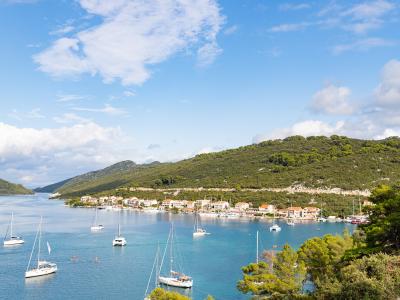
Mljet Island: National Park with saltwater lakes
Coastal & Maritime · Natural Wonders

Coral Reef of Mljet
Croatia’s only coral reef on Mljet Island
Activities & Adventure · Coastal & Maritime
Benedictine Monastery of St. Mary
12th-century Benedictine monastery in Mljet National Park
Cultural Experiences · History & Heritage
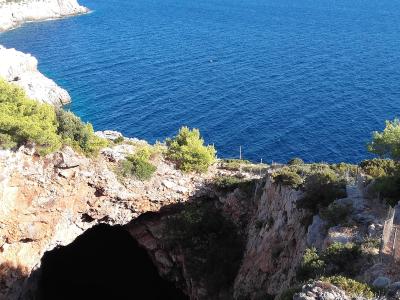
Odysseus Cave
Legendary cave where Odysseus was held captive
Natural Wonders · Caves
Questions people ask
Quick Facts
Best Time to Visit
June to September offers warm, sunny weather and ideal swimming conditions; May and October are quieter with pleasant temperatures for outdoor activities.