







- Where
- Grožnjan, Istria
- Directions
- Directions
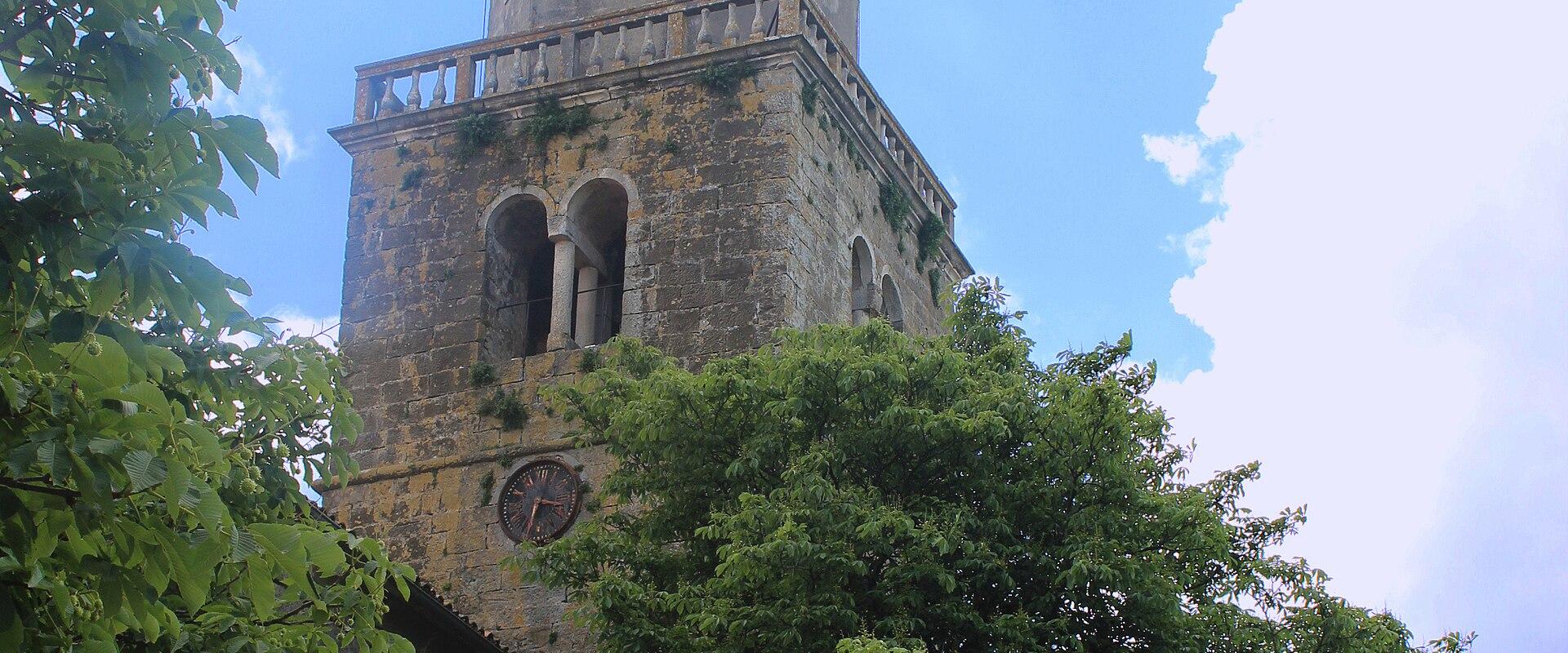
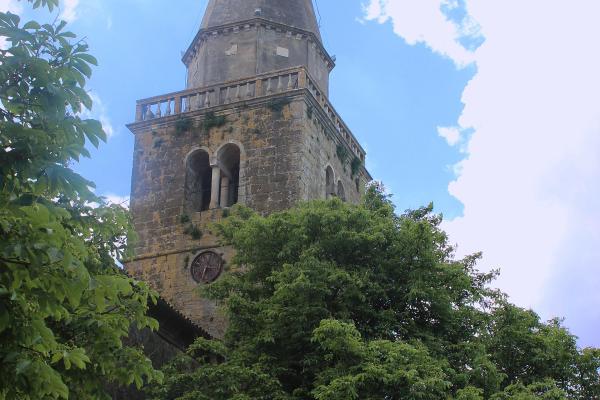
Another entry in this guide describes the parish church of Grožnjan under the full names of its three saints, and this one looks at the same building through the story of a particular function it played in the past and at its place in the life of the hilltop town. Grožnjan, in the north-west of inland Istria, is best known today as a town of artists and musicians, but for centuries it was an outpost of the Venetian Republic, and the history of the church includes episodes that belong to that period. The church is distinguished by its bell tower of yellow sandstone, which is the best landmark on the skyline.
The dedication is to St. Vitus, together with the martyrs Modestus and Crescentia, early Christian saints who are traditionally associated with the persecutions of the early fourth century. Vitus in particular was invoked against disease, and this is the key to one of the most interesting stories connected with the church. Local accounts say that during the period of Venetian rule, the building served a role in the town's defences against epidemics. People arriving in Grožnjan, particularly travellers coming from regions where plague was present, were required to stay in isolation for a period of forty days before being allowed into the town, which is the origin of the word quarantine, from the Italian for forty. The church and its surroundings are said to have been used for this purpose, and prayers to St. Vitus were offered for protection from the plague. The nearby cemetery was reportedly used for immediate burials of those who died during isolation.
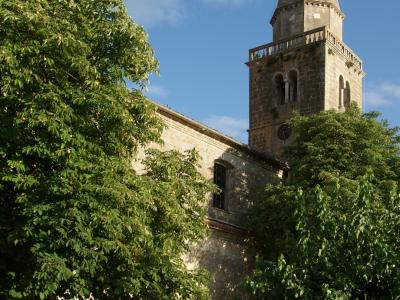
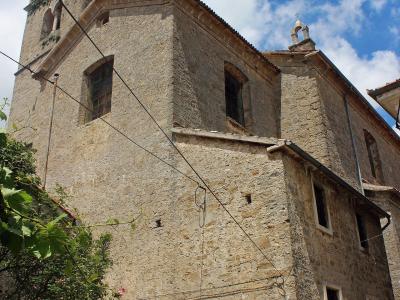
The building was extensively renovated in the Baroque style in the eighteenth century, in the decades before 1770, and the interior, with its decorated altar, dates largely from that period. A large painting above the altar shows the three saints as martyrs in a Roman arena. The church is documented in the Middle Ages, and the earlier phases are hidden under the Baroque work. Today, regular Masses are not celebrated here, and the building is open to visitors and used for cultural events, so check the opening times locally.
Grožnjan itself is a pleasure to explore. The galleries, the loggia, the main square, called Trg Palih Boraca, the town walls and gates, all listed in this guide, lie within a few minutes' walk. In summer, music students from many countries rehearse and perform in the town, and the sound of instruments often drifts through the streets. The surroundings of vineyards, olive groves and oak woods are crossed by walking and cycling routes, including a stretch of the old Parenzana railway.
Allow fifteen to thirty minutes for the church, and an hour or two for the town. The church suits visitors interested in history and architecture, and anyone who enjoys atmospheric hill towns.
Categories
More photos coming soon
Nearby Attractions
Other places to visit in Grožnjan
Grožnjan Main Square (Trg Palih Boraca)
Medieval square with Baroque church and art hub
Cultural Experiences · Urban Exploration
St. Vitus, Modestus and Crescentia Church
Baroque church with 18th-century altar and bell tower
Cultural Experiences · History & Heritage
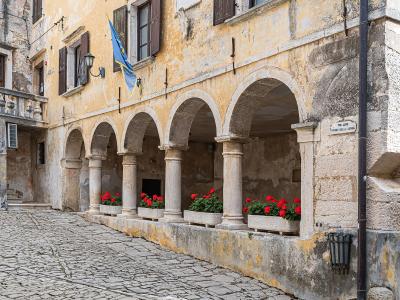
Grožnjan Loggia
Renaissance loggia with Venetian limestone columns
Cultural Experiences · History & Heritage
Church of St. Vitus, Modestus and Crescentia
Baroque church with historic altar and bell tower
Cultural Experiences · History & Heritage
Questions people ask
Quick Facts
Best Time to Visit
Early July to mid-August offers warm weather and lively festivals; spring and early autumn are quieter with mild temperatures and scenic countryside.